




Pros and Cons of Adjustable Gas Springs Versus Standard Gas Springs
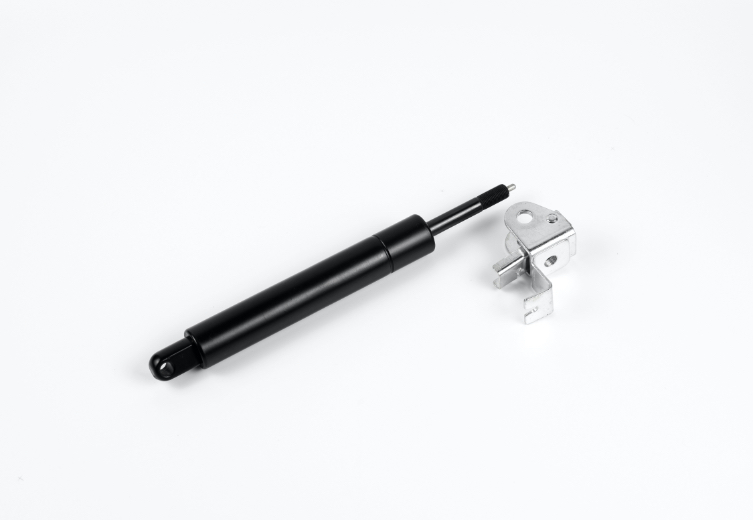
Choosing between an adjustable gas spring (often referring to lockable gas springs or variable-pressure valves) and standard gas springs can impact the performance and longevity of your equipment. Selecting the right gas spring ensures optimal operation for your specific application. Juteng provides both types, reflecting their dedication to quality and customization. Key factors to compare include adjustability, installation, maintenance, cost, durability, and suitability for different uses. This comparison helps you make a practical decision.
Key Takeaways
Adjustable gas springs provide flexibility, allowing users to change force output or lock positions for varying needs. This adaptability is crucial in industries like automotive and furniture design.
Standard gas springs offer simplicity and reliability with fixed force values. They are ideal for applications where requirements remain constant, making installation quick and easy.
Consider the long-term value of adjustable gas springs. While they may have a higher upfront cost, their versatility can lead to savings by reducing the need for replacements.
Gas springs are virtually maintenance-free and pre-lubricated for life. Proper installation orientation is essential to ensure optimal performance and prevent unexpected seal failures.
Choosing the right gas spring depends on specific application needs. Factors like the 30-60% effective force ratio, operating environment, and desired control level should guide your decision.
What Are Gas Springs?
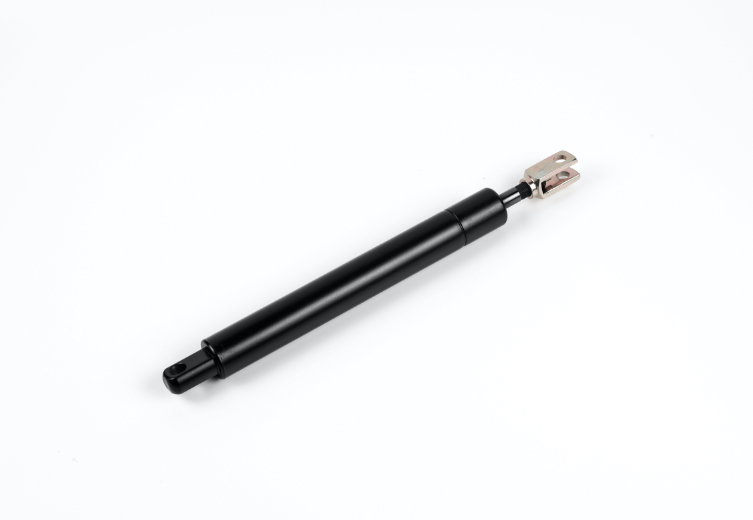
Gas springs are mechanical devices that use compressed nitrogen gas and flame-retardant oil to provide force in a controlled way. These components help lift, lower, or position objects smoothly. Many industries use gas springs because they offer reliable support and easy operation. The main parts of a gas spring include a pressure tube, a piston rod, and a seal system. When the piston rod moves, the gas inside the tube compresses or expands, creating force.
There are several types of gas springs available. Each type serves a different purpose and fits specific applications. Some common uses include automotive hoods, office chairs, machinery covers, and medical equipment.
Tip: Choosing the right gas spring can improve safety and extend the life of your equipment.
Adjustable Gas Spring Overview
An adjustable gas spring allows users to change the force output or lock the rod at any position to match their needs. This feature makes it ideal for situations where the required force may vary or precise positioning is required. Users can fine-tune the pressure or engage a locking valve. This flexibility provides significant benefits in custom projects or prototypes. Adjustable gas springs are popular in industries that require frequent adjustments, such as furniture design, medical beds, or specialized machinery.
Standard Gas Spring Overview
A standard gas spring comes pre-set with a fixed force value. It delivers consistent performance for applications where the required force does not change. Standard gas springs are easy to install and require little to no adjustment after setup. They work well in environments where reliability and simplicity are important. Many manufacturers choose standard gas springs for mass-produced products because of their straightforward design and dependable operation.
Adjustability Comparison
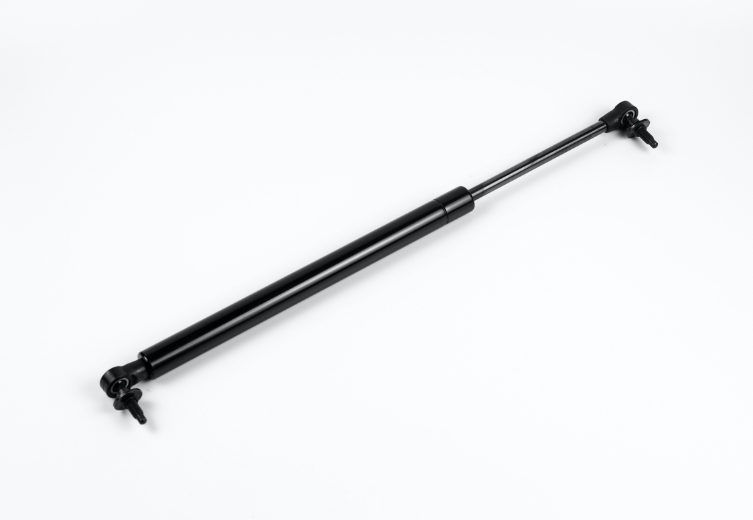
Adjustable Gas Spring Flexibility
Adjustable gas spring technology offers a high level of flexibility for many applications. Users can change the force output or lock the stroke to match different requirements. This feature is important in environments where loads vary or where precise control is needed. For example, adjustable gas springs are used in automotive lift supports and aerospace seat adjustments. These industries rely on variable internal pressure to ensure smooth and controlled movement.
The benefits of adjustable gas spring systems become clear when looking at their features:
Feature | Description |
|---|---|
Adjustable Locking Mechanism | Enables locking at any position, enhancing control and flexibility. |
Elastic Locking | Provides cushioning effect by allowing slight movement under load. |
Customizable Options | Available in various sizes and force ranges to suit different applications. |
This flexibility allows engineers to design equipment that adapts to changing conditions. It also helps improve safety and user comfort. Adjustable gas springs are ideal for prototypes and custom projects because they can be tuned easily. When choosing gas springs, considerations such as load variation and control requirements should guide the selection process.
Note: Adjustable gas springs provide unique advantages in variable load applications, making them suitable for industries that demand frequent adjustments.
Standard Gas Spring Limitations
Standard gas springs deliver consistent force but lack adjustability after installation. Once installed, the force and stroke cannot be changed. This limitation means that if the requirements shift, the entire unit must be replaced. Designers often select gas springs with higher initial force to compensate for potential loss over time. This practice can create usability challenges as the spring ages.
Standard gas springs work well in applications where the force requirement stays the same. However, they do not offer the same level of control as adjustable gas springs. Users must carefully plan and select the correct model before installation. In situations where flexibility is not needed, standard gas springs remain a reliable choice.
Installation and Ease of Use
Adjustable Gas Spring Installation
Installing an adjustable gas spring requires careful attention to detail. The process often involves setting the correct force before final assembly. Many users need to adjust the pressure using a valve or a special tool. This step ensures the spring matches the load requirements of the application. Some projects may require additional calibration after installation. These extra steps can add time and require technical knowledge. For custom machinery or prototypes, this flexibility offers clear benefits. Users can fine-tune the system for optimal performance.
Standard Gas Spring Installation
Standard gas springs offer a straightforward installation process. Most units come pre-set with a fixed force value. Users only need to mount the spring in place and secure it with the appropriate hardware. There is no need for pressure adjustments or calibration. This simplicity saves time and reduces the chance of installation errors. Many manufacturers choose standard gas springs for mass-produced products because of their ease of use. The process works well for applications where the force requirement does not change.
Tip: Always follow the manufacturer's guidelines during installation to ensure safety and proper function.
User Experience
User reviews highlight differences in installation complexity and cost. The following table summarizes these findings:
Type of Gas Spring | Installation Complexity | Cost |
|---|---|---|
Simpler | More Affordable | |
Adjustable Gas Springs | More Complex | Typically Higher |
Many users appreciate the quick setup of standard gas springs. Others value the ability to adjust force in specialized applications. When choosing between these options, consider the skill level of the installer and the specific needs of the project. These considerations help ensure the right choice for both performance and convenience.
Maintenance and Reliability
Adjustable Gas Spring Maintenance
Adjustable gas springs are virtually maintenance-free because they are pre-lubricated for life during production. However, users should follow a routine to keep these components working smoothly and prevent premature seal failure. The most common maintenance tasks include:
Check for signs of wear, such as gas leakage or damaged seals.
Keep the piston rod clean to prevent dust particles (≥5 μm) from acting as abrasives.
Never apply external grease or oil. External oils can damage the internal nitrile rubber seals.
Store and install in environments with controlled temperature (-30°C to 80°C) and low humidity.
Ensure correct mounting alignment to avoid lateral strain on the piston rod.
These steps help extend the life of adjustable gas springs and ensure reliable operation. Proper care reduces the risk of unexpected failures and keeps equipment safe.
Standard Gas Spring Maintenance
Standard gas springs are known for their low maintenance needs. Most units do not require routine servicing. Their service life depends on the number of double strokes (cycles) they complete. The following table shows typical maintenance intervals based on Juteng's testing standards:
Type of Gas Spring | Service Life (Double Strokes) | Maintenance Required |
|---|---|---|
Heavy-Duty / Industrial | 30,000 - 50,000+ | None (Maintenance-free) |
Standard / Furniture | 10,000 - 30,000 | None (Maintenance-free) |
Gas springs have a finite lifespan measured in double strokes (1x retraction and extension).
Heavy-duty models last longer than standard units under optimal installation conditions.
Replacement may be needed every 5-10 years depending on usage frequency and environment.
Users can rely on standard gas springs for consistent performance without frequent checks. When the spring reaches the end of its cycle life, replacement is the best option.
Reliability Factors
Reliability depends on several factors. Material quality, correct installation, and proper maintenance all play a role. Adjustable gas springs offer flexibility but need regular care. Standard gas springs provide steady performance with minimal upkeep. Both types deliver dependable support when used as intended. Choosing the right spring for your application ensures lasting reliability and safety.
Cost and Value
Upfront Cost Differences
When selecting between adjustable and standard gas springs, the initial purchase price often becomes a deciding factor. Adjustable models usually have a higher upfront cost. This is because they include extra features, such as pressure adjustment mechanisms and specialized valves. These components add to the complexity of the product. Standard gas springs, on the other hand, come with a fixed force and a simpler design. Manufacturers can produce them in larger quantities, which helps keep the price lower. For projects with tight budgets or where the force requirement is known and unlikely to change, standard options may seem more attractive at first glance.
Long-Term Value
While the initial investment in adjustable gas springs is higher, their long-term value can outweigh the upfront cost. Adjustable models offer greater versatility and flexibility. Users can adapt them to different loads or changing requirements without needing to buy new units. This adaptability reduces the need for frequent replacements. In contrast, standard gas springs may require replacement if the application changes or if specifications are updated.
The following table highlights key differences in total cost of ownership:
Feature | Adjustable Gas Springs | Fixed Gas Springs |
|---|---|---|
Versatility | Can adjust pressure for various applications | Fixed pressure, less adaptable |
Flexibility | Adapts to changing specifications | Requires replacement if needs change |
Upfront Cost | Generally higher upfront cost | Typically lower upfront cost |
Long-term Cost | More cost-effective over time | May incur higher costs with replacements |
Over time, the ability to adjust and reuse the same gas spring can lead to significant savings, especially in environments where requirements change frequently. This makes adjustable options a smart investment for many industries seeking both performance and value.
Durability and Performance
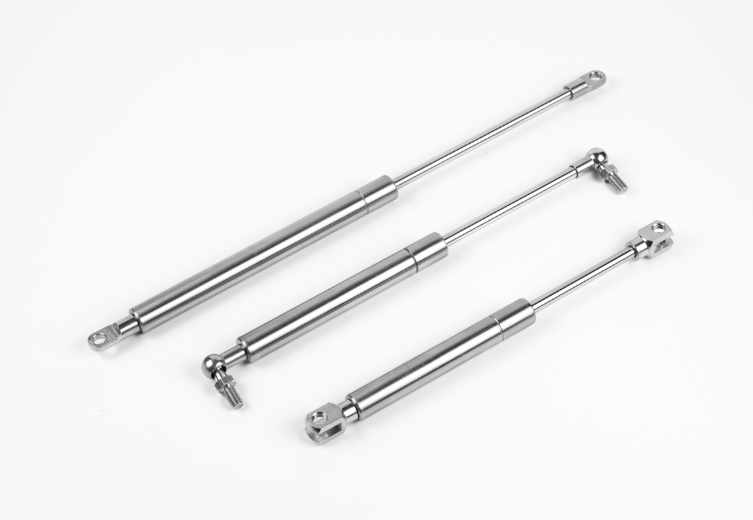
Adjustable Gas Spring Durability
The durability of an adjustable gas spring depends on both its design and the materials used. Juteng uses advanced engineering and high-quality materials to ensure long-lasting performance. Material selection plays a key role in how well these springs withstand daily use and harsh environments. The table below shows how different materials impact durability:
Material Type | Benefits |
|---|---|
Stainless Steel | Enhanced corrosion resistance, ideal for harsh environments. |
Zinc Alloy | Balances durability and affordability, suitable for mid-tier applications. |
Steel | Standard durability for residential use. |
Juteng’s adjustable gas spring models also feature hydraulic damping, which can extend lifespan by reducing wear. The adjustable design helps reduce installation errors, making these springs more reliable over time. For projects that require frequent adjustments or operate in challenging conditions, these features provide a clear advantage.
Standard Gas Spring Durability
Standard gas springs are built for consistent performance in stable environments. Juteng manufactures these products using robust materials and precise production methods. The following table highlights the durability differences among various models:
Model | Load Capacity | Material Grade |
|---|---|---|
Base Model | 200kg | Steel |
Advanced Model | 230kg | Zinc Alloy |
Pro Model | 260kg | Stainless Steel |
The Pro Model exceeds corrosion standards, making it a strong choice for humid or outdoor settings. Heavy-duty gas springs in this category are designed to handle higher loads and more cycles, which increases their service life.
Performance in Applications
Performance depends on how well the gas spring matches the application. Customization allows Juteng to tailor heavy-duty gas springs for specific industries, such as automotive, machinery, and medical equipment. Custom solutions enhance operational stability and extend service life, especially in demanding sectors like aerospace. Many companies now prefer engineered gas springs over standard products because they offer better reliability and require less maintenance. Juteng’s focus on customization ensures that each product delivers optimal results, whether for a prototype or a mass-produced item.
Tip: Choosing the right material and customization options can significantly improve the durability and performance of your gas springs.
Application Suitability
Best Uses for Adjustable Gas Springs
Adjustable gas springs offer unique advantages in industries that require precise control and flexibility. These springs allow users to change the force output, making them ideal for situations where loads or positions vary. Many sectors rely on adjustable gas springs for their ability to adapt to different requirements.
Industry | Specific Requirements |
|---|---|
Automotive | Used in hoods, trunks, tailgates, and seating adjustments; requires controlled motion. |
Marine | Stainless-steel for corrosion resistance; used in deck hatches and engine covers. |
Defense | Heavy-duty for reliability; supports armored vehicle hatches and military equipment. |
Construction | Used in machinery covers and access panels; requires safety and reliability. |
Agriculture | Assists in cabin controls and access hatches; needs low-maintenance motion. |
Medical | Vital for equipment; requires consistent motion control. |
Aerospace | Used in various systems; needs reliability and precision. |
Furniture | Important for design; requires controlled movement. |
Industrial | Used in automation; needs versatility and reliability. |
In medical equipment, adjustable gas springs, especially lockable types, provide variable positioning and stability. This feature allows medical staff to hold components at any desired height or angle, improving both functionality and ergonomics. Adjustable gas springs also play a key role in prototypes and custom machinery, where requirements may change during development.
Best Uses for Standard Gas Springs
Standard gas springs deliver consistent force and are best suited for applications where the load and movement requirements remain stable. These springs are easy to install and require minimal maintenance, making them popular in mass-produced products.
Furniture Applications |
|---|
Office chair height adjustment |
Recliner mechanisms |
Cabinet soft-close doors |
In the furniture industry, standard gas springs are commonly used for office chair height adjustment, recliner mechanisms, and cabinet soft-close doors. These applications of gas springs benefit from the reliability and simplicity of a fixed-force design. Standard gas springs also perform well in automotive and machinery covers, where the force requirement does not change over time.
Crucial Engineering Parameters for Selection
When specifying gas springs for your project, industry engineers rely on precise metrics rather than just estimated weight. Understanding these parameters prevents sudden failures and ensures proper support:
F1 Force Rating: The nominal force measured at 20°C with the piston rod extended to 5mm.
Effective Force Ratio (30-60%): Due to installation geometry and hinge leverage, only 30% to 60% of the rated F1 force converts to usable lifting capacity (e.g., a 250N spring lifts about 7.5-15kg effectively).
Installation Orientation: Always install with the piston rod facing down. This ensures the internal flame-retardant oil constantly lubricates the seal and reduces nitrogen permeation, maximizing the lifecycle.
Temperature Effects: At -10°C, internal pressure drops by 25%; above 60°C, it increases by 30%. High humidity (>65%) accelerates nitrile rubber aging.
Choosing the Right Gas Spring
Selecting the right gas spring depends on several important factors. Each application has unique needs, and understanding these requirements helps ensure the best performance and safety.
Load requirements
Directional force
Operating environment
Desired control level
Cylinder diameter
Rod diameter
Mounting style
Maximum width
Working temperature range
Absorber stroke
Extended and compressed lengths
Force ratings
Maximum cycle frequency
Adjustable gas springs can stop the rod at any point along its travel. This feature is useful in applications requiring fine-tuned motion, such as adjustable beds and emergency trolleys. Standard gas springs, on the other hand, provide fixed positions and are ideal for applications with consistent needs.
Industry experts recommend matching gas spring types to specific application needs by considering door weight, opening angle, installation space, and operating environment. For example, heavier doors need gas springs with higher force ratings, while the opening angle influences stroke and force requirements. The material and sealing must suit the environment, with stainless steel recommended for coastal or humid areas. Some applications may also require additional features like locking or damping.
Juteng offers a wide range of types of gas springs and customization options for specialized applications. The table below highlights some of the available customization aspects:
Customization Aspect | Details |
|---|---|
Materials | Various materials can be specified. |
Travel Lengths | Customizable travel lengths available. |
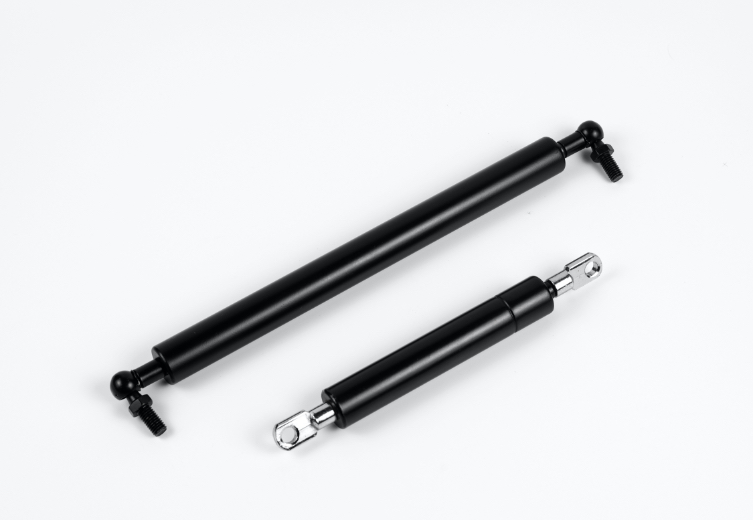
End Connectors | Options for different end connectors. |
OEM/ODM Solutions | Tailored designs to meet specific project needs. |
Spring Force | Customizable spring force. |
Stroke | Custom stroke lengths. |
Branding | Company label or logo can be applied. |
Tip: Always consider your specific requirements and consult with manufacturers like Juteng for tailored solutions. Customization ensures that the gas spring fits perfectly with your application, whether in automotive, furniture, machinery, or medical equipment.
The applications of gas springs are diverse, and choosing the right type can improve safety, efficiency, and user experience. Juteng’s expertise and commitment to quality make them a reliable partner for both standard and custom solutions.
Choosing between adjustable and standard gas springs depends on your needs. The table below highlights key differences:
Feature | Adjustable (Locking) Gas Spring | Standard Gas Spring |
|---|---|---|
Position Control | Lockable at any point | Fully open or closed |
Safety | High, prevents sudden collapse | Depends on operator |
Cost | Higher | More economical |
Customization | Highly customizable | Standardized |
Adjustable gas springs offer flexibility and safety, ideal for medical and adjustable furniture.
Standard gas springs provide reliable, cost-effective solutions for everyday uses.
Juteng supports custom designs, travel lengths, and materials for unique industry needs.
Always consider application, budget, and maintenance. For expert advice, consult Juteng’s engineering team.
FAQ
What is the main difference between adjustable and standard gas springs?
Adjustable gas springs allow users to change the force output or lock positions. Standard gas springs have a fixed force. Adjustable types suit projects with changing needs. Standard types work best in stable applications.
Can I replace a standard gas spring with an adjustable one?
Yes, you can replace a standard gas spring with an adjustable model if the size and mounting points match. Adjustable gas springs offer more flexibility for future changes.
How do I know which gas spring is right for my project?
Tip: List your project’s requirements, such as load, movement, and environment. Compare these needs with the features of each gas spring type. Consult with experts like Juteng for tailored advice.
Are Juteng gas springs suitable for outdoor use?
Juteng offers gas springs made from materials like stainless steel, which resist corrosion. These models perform well outdoors and in humid environments.