




Telescopic vs Standard Gas Springs: Differences & Uses
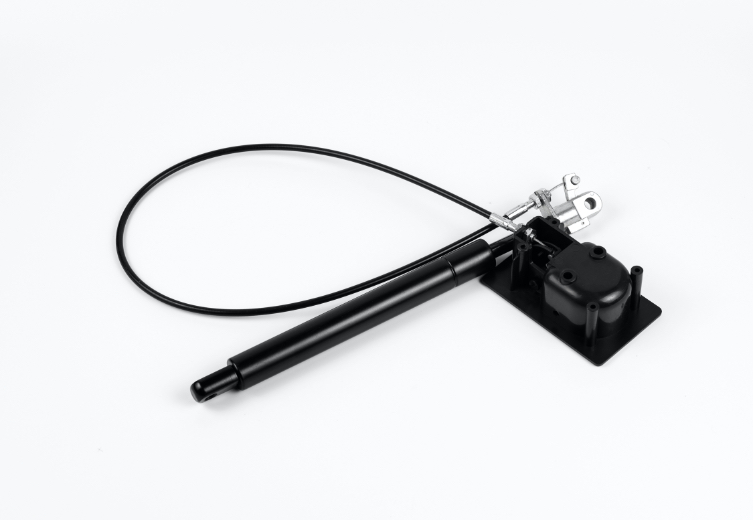
Selecting between a telescopic gas spring (commonly known as a gas strut) and a traditional mechanical coil spring depends on the specific requirements of your application. The right choice impacts how equipment performs, its lifespan, and user safety. Manufacturers like Juteng develop advanced telescopic gas springs that deliver durability, precision, and reliability. Choosing the proper type brings several benefits:
Benefit | Description |
|---|---|
Improved Productivity | Gas springs reduce equipment downtime due to their resistance to metallic fatigue failure and consistent force output. |
Enhanced Safety | Built-in damping prevents sudden drops or slams, minimizing risks to personnel and protecting sensitive machinery. |
Increased Durability | Sealed nitrogen systems are more durable than exposed metallic springs, leading to reliable and quiet operation over 10,000 to 50,000 cycles. |
Improved Precision | Gas springs can be customized for exact F1 force requirements and offer specialized features like rigid locking. |
Key Takeaways
Telescopic gas springs utilize compressed nitrogen and oil to provide smooth, controlled motion with built-in damping.
Mechanical coil springs rely on metal deformation, offering no inherent speed control and prone to sudden fatigue failure.
Consider the required F1 force, stroke length, and environmental factors when choosing a gas spring to ensure it meets your specific needs.
Gas springs enhance safety and efficiency in heavy-duty applications, drastically reducing manual lifting effort.
Customization options (OEM/ODM) are available for gas springs, allowing for tailored solutions across automotive, medical, and industrial sectors.
Spring Basics
What Is a Telescopic Gas Spring?
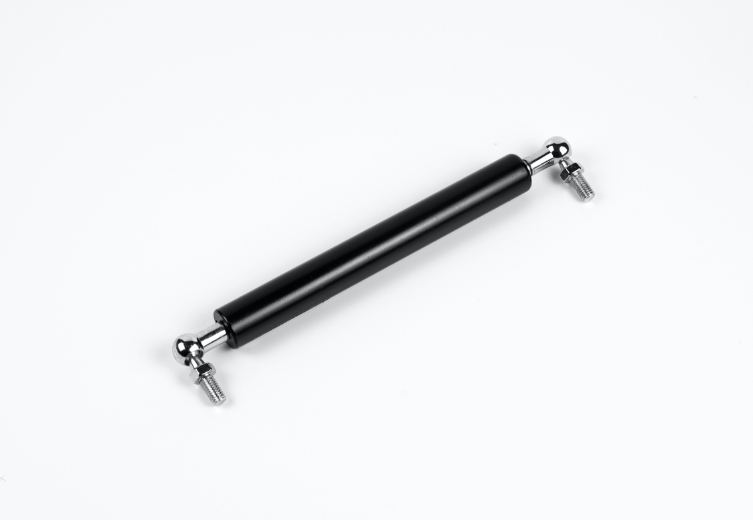
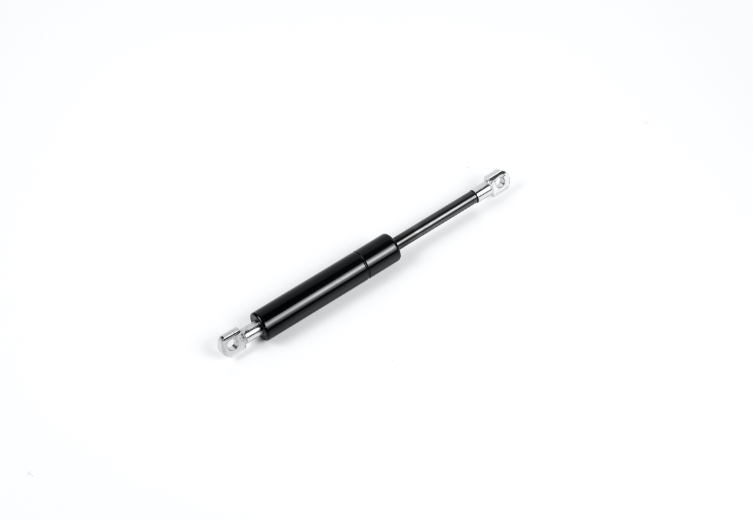
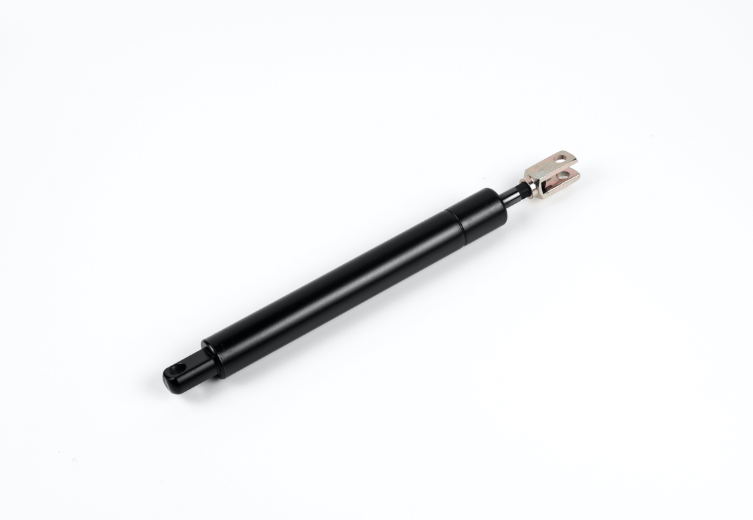
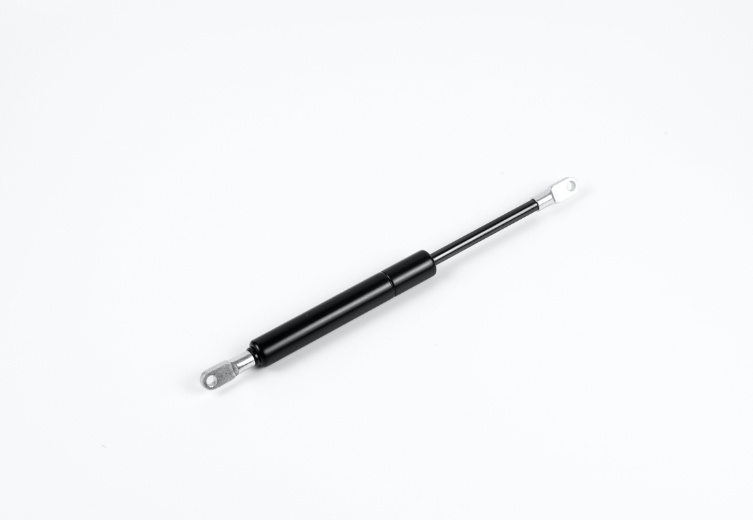
A telescopic gas spring is a specialized pneumatic device that features a pressure tube and a piston rod sliding within it (a telescopic action). Filled with high-pressure nitrogen and flame-retardant oil, it provides a controlled pushing or pulling force. Choosing the best telescopic gas spring requires understanding parameters like F1 force and installation geometry. They are widely used in applications where space is limited but smooth, heavy-duty extension is needed, such as adjustable furniture, medical equipment, and automotive hoods.
Tip: Telescopic gas springs are ideal for projects that demand both compact storage, extended reach, and controlled end-stroke damping.
What Is a Mechanical Spring?
A standard mechanical coil spring consists of shaped metal wire that stores energy when compressed or stretched. The rod moves based on Hooke's Law, meaning the force increases linearly as the spring is compressed. Mechanical springs are commonly used in basic suspension systems, light latches, and simple return mechanisms. While inexpensive, they lack the damping and consistent force output required for heavy lids or precision machinery.
How Telescopic Gas Springs Work
The mechanism involves a sealed cylinder filled with nitrogen gas. When the piston rod moves inward, the gas inside compresses, creating a nearly constant counter-force. The internal oil acts as a lubricant for the seals and provides crucial end-position damping. This mechanism ensures smooth, controlled motion and prevents hard collisions, making gas springs a popular choice in safety-critical industries.
Design Differences
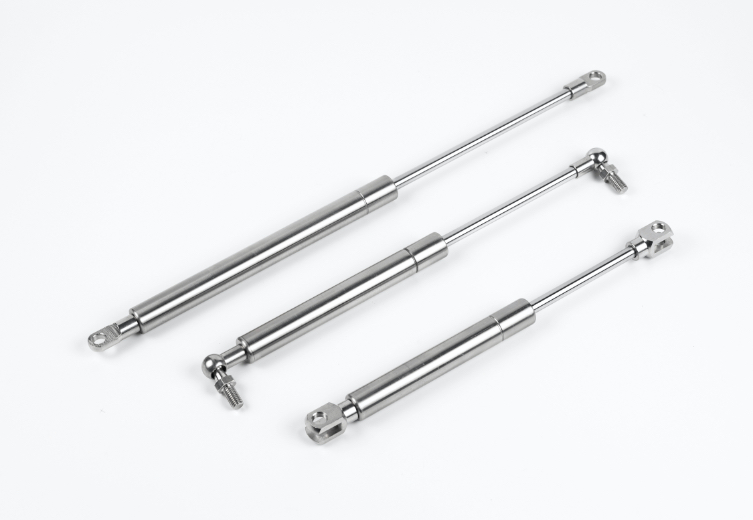
Structure and Mechanism
The structure of a component determines its lifespan and application. A mechanical spring is an open system exposed to dust, moisture, and debris, which can accelerate corrosion and metal fatigue. In contrast, a telescopic gas spring is a hermetically sealed system. The internal nitrogen and oil are protected from external contamination, allowing for reliable operation even in harsh environments.
Damping and Speed Control
Mechanical springs release energy instantaneously, which can cause heavy panels to slam shut dangerously. Telescopic gas springs feature integrated damping. The flow of nitrogen and oil through the piston orifices regulates the speed of extension and retraction. For applications requiring absolute rigidity at specific angles, engineers often specify lockable gas springs, which can be secured anywhere along the stroke.
Force Output Consistency
Force output is the amount of push or pull the component delivers. Mechanical springs exhibit a progressive force curve (harder to compress the further they go). Telescopic gas springs deliver a remarkably flat force curve, meaning the support felt by the user remains consistent from the moment the lid opens until it is fully extended.
Performance Comparison
Durability and Reliability
Durability is essential when selecting gas struts. Mechanical springs are subject to metallic fatigue and can snap unexpectedly after thousands of cycles. Telescopic gas springs, built with robust composite seals and nitrided piston rods, are designed to withstand 10,000 to 50,000 double strokes. Manufacturers like Juteng use high-quality materials and rigorous testing to ensure both types withstand demanding environments.
Space Efficiency
Space efficiency is crucial in compact machinery and automotive applications. Telescopic gas springs are engineered for these environments. Their design allows for a long extended length while maintaining a relatively short compressed length. The telescoping action maximizes movement without requiring the massive clearance radius that coil springs demand.
Pros and Cons
Telescopic Gas Spring Advantages
A telescopic gas spring offers unique benefits for designers and engineers. While standard compression struts push heavy objects open, specialized variants like traction gas springs provide a reliable pulling force to draw components together in tight spaces.
Built-in damping prevents sudden, dangerous movements.
Hermetically sealed against dust and moisture.
Space-saving design for tight environments.
Highly customizable F1 force ratings (from 5N to 3000N).
Mechanical Spring Advantages
Mechanical springs deliver reliable performance in simple, low-cost applications where damping and precise positioning are not required. They are easy to source and can operate in extreme temperature ranges where gas pressure might fluctuate.
Mechanical Spring Advantage | Description |
|---|---|
Low Initial Cost | Simpler manufacturing process makes them economical for basic return mechanisms. |
Temperature Immunity | Metal force output is not affected by ambient temperature changes like nitrogen gas. |
Applications
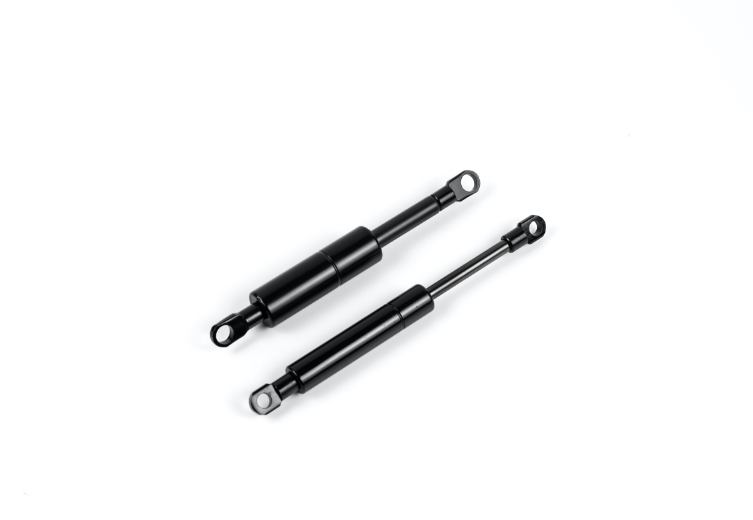
Telescopic Gas Spring Uses
Common applications for gas struts span across industries that demand both compactness and controlled motion.
Automotive: Enhance safety and efficiency in hoods, tailgates, and adjustable seats.
Medical Equipment: Hospital beds, examination tables, and surgical chairs rely on these springs for smooth, quiet, and secure movement.
Industrial Machinery: Heavy access panels and safety guards are held open securely, preventing workplace injuries.
Choosing the Right Spring with Juteng
Selecting the correct component depends on the specific requirements of the application. Understanding how a gas spring generates force is essential. Juteng addresses the unique needs of different sectors by offering a wide range of customizable solutions. With an annual capacity of 1.5 million units, Juteng is equipped to handle both rapid prototyping and high-volume OEM orders.
Juteng Advantage | Description |
|---|---|
Annual Production Capacity | 1.5 Million Units |
Product Varieties | 4 Major Series, 300+ Varieties |
Industry Experience | Established in 2009 (Over 15 Years) |
Certifications | ISO 9001, IATF 16949, RoHS Compliance |
Customization | OEM/ODM support for force, stroke, and end fittings |
A well-chosen telescopic gas spring improves safety, efficiency, and user experience across a wide range of applications.
FAQ
What are gas struts and how do they work?
Gas struts use compressed nitrogen gas to create force. The piston moves inside a sealed cylinder. This action helps lift, lower, or hold objects with built-in damping for smooth and controlled motion.
Where are gas struts commonly used?
Gas struts appear in cars, furniture, medical equipment, and heavy machinery. Designers use them for trunk lids, cabinet doors, hospital beds, and industrial access panels.
How do telescopic gas struts differ from mechanical springs?
Telescopic gas struts use sealed nitrogen to provide a constant force and feature internal oil for speed damping. Mechanical springs rely on metal deformation, lack damping, and are prone to sudden fatigue failure.
Can gas struts be customized for specific applications?
Yes, manufacturers like Juteng offer extensive custom gas strut services. Clients can specify exact F1 force ratings, stroke lengths, and mounting end fittings to fit unique equipment designs.
What maintenance do gas struts require?
Gas struts are maintenance-free and pre-lubricated for life. Users should simply keep the exposed piston rod clean from abrasive dust to ensure the seals remain intact for the full 10,000+ cycle lifespan.
Tip: Always install gas struts with the piston rod facing down to ensure continuous seal lubrication and maximize lifespan.