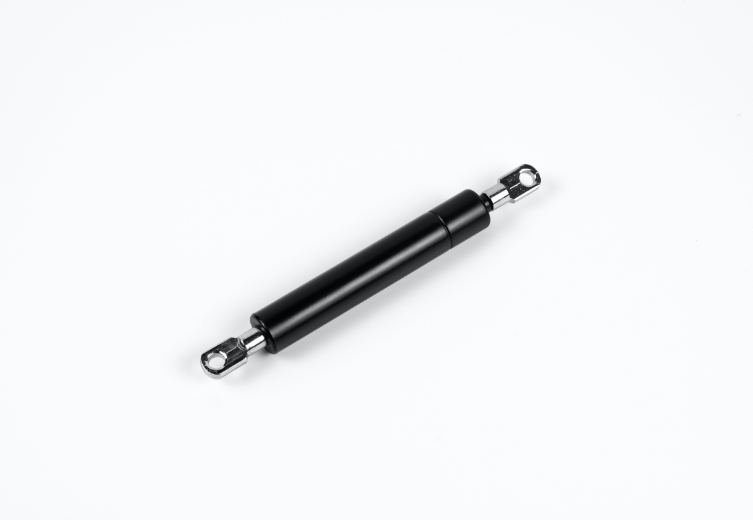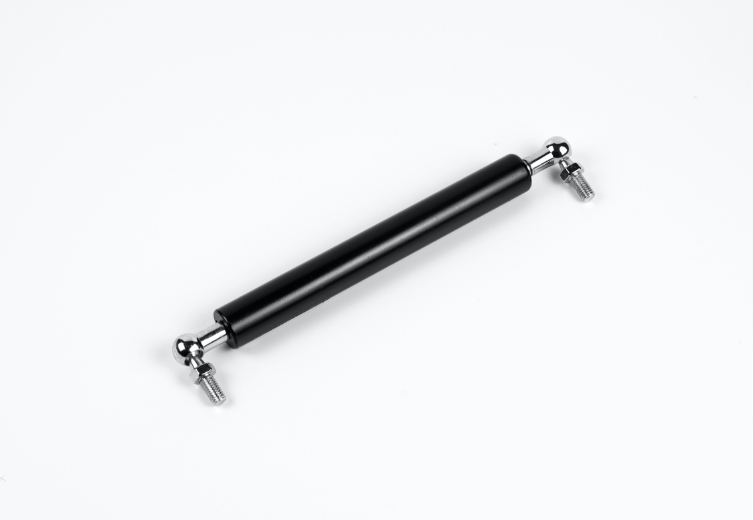





Which is better, traction gas strut or compression strut?

The best option between a traction gas strut and a compression strut depends on what you need for your project. You should think about which way the force goes. You also need to look at how strong each choice is. Check how simple they are to put in. Think about what your project is mainly for before you choose. ️ Remember what your project needs while you read, so you can pick the best one for you.
Key Takeaways
Traction gas struts pull things together. They work well in furniture and medical equipment. Compression gas struts push things apart. People use them in car hoods and machines. They give strong and steady movement. Pick the right gas strut for your project. Think about load direction, space, and how to install it. Regular maintenance is very important for safety. Check for leaks and damage. Clean the struts to help them last longer. Good gas struts can save you money over time. You will not need as many repairs or replacements.
Traction Gas Strut vs Compression Gas Strut

What Is a Traction Gas Strut?
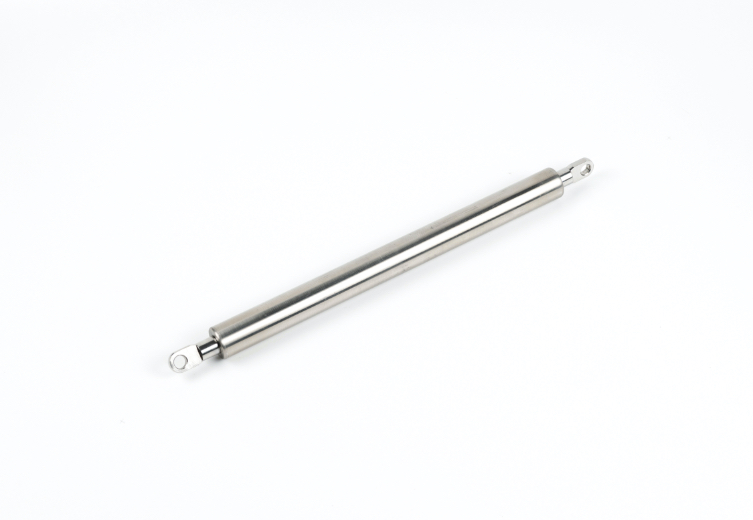
A traction gas strut pulls two parts together. It does not push them apart. This type is used in cars, factories, and furniture. The design makes it work smoothly and easy to install. Makers use strong materials for these struts. The cylinder can be black painted steel or stainless steel AISI 316. The piston rod is often C35R steel with plasma nitride treatment. These materials help the strut last longer and work well under stress.
Component | Material |
|---|---|
Cylinder | |
Piston Rod | C35R (plasma nitride treatment) |
You should follow the maker’s instructions when installing. How you place the strut affects how it works. Most makers say to put the piston rod facing down. This helps the strut work its best.
What Is a Compression Gas Strut?
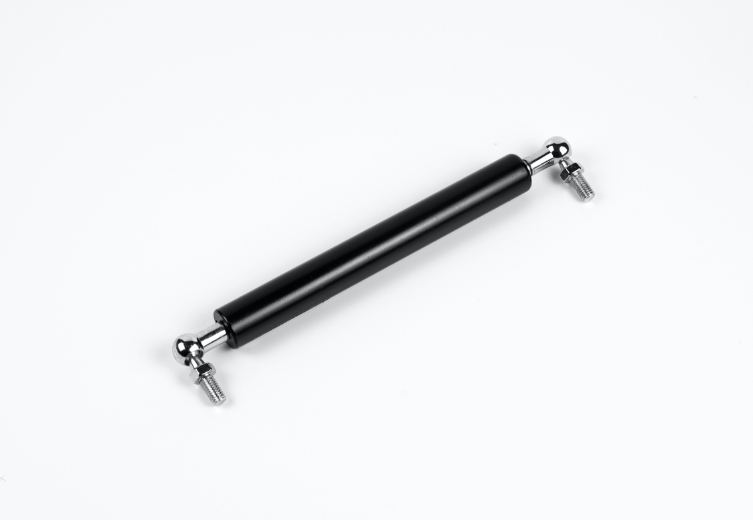
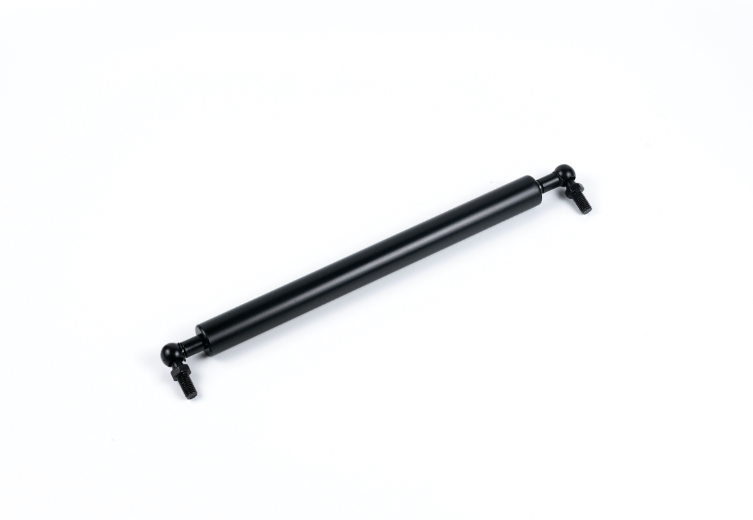
A compression gas strut pushes two parts apart. You see these in car hoods, office chairs, and machine covers. Its main job is to give a controlled pushing force. It has a cylinder filled with compressed gas, usually nitrogen. When you push the piston rod in, the gas gets squeezed. This makes pressure build up. The pressure then pushes the rod back out.
Here is how a compression gas strut works:
Compression: You push the rod in, and the gas gets squeezed.
Extension: The squeezed gas pushes the rod out with force.
Damping: Some models use oil or special parts to slow movement. This makes it smooth and safe.
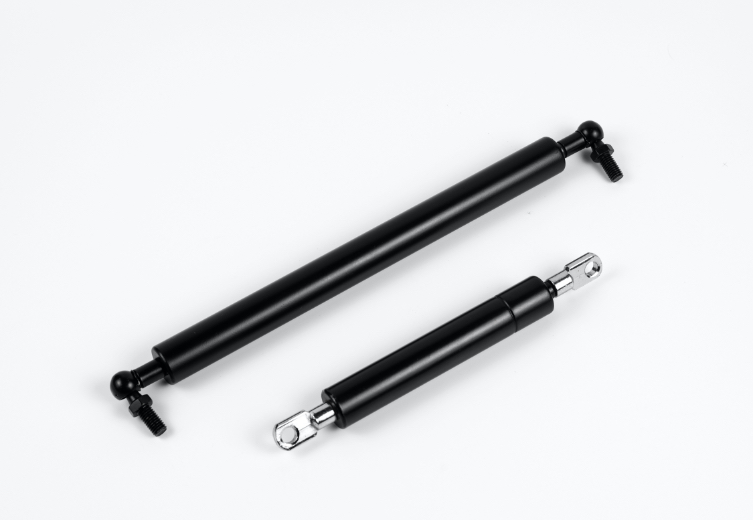
The main parts are the cylinder, piston, piston rod, and end fittings. The cylinder holds the gas. The piston separates the chambers. The rod moves the force. End fittings make it easier to install.
Note: The force of a compression gas strut changes with temperature. If it gets 10°C colder, the force drops by about 3% to 4%. If it gets 10°C warmer, the force goes up by the same amount.
Main Functional Differences
The biggest difference is the direction of force. A traction gas strut pulls parts together. A compression gas strut pushes them apart. Pick the right type for your project’s needs.
Traction gas strut: Pulls parts together.
Compression gas strut: Pushes parts apart.
Fixed force gas struts always give a set pushing force. Use them to move or hold something open. Use a traction gas strut to pull or keep something closed.
How you install each type is important. Both need the right position to work well. Always check the maker’s instructions before you install.
Feature | Traction Gas Strut | Compression Gas Strut |
|---|---|---|
Force Direction | Pulls parts together | Pushes parts apart |
Common Applications | Automotive, furniture | Car hoods, machinery covers |
Main Materials | Steel, stainless steel | Steel |
Installation | Piston rod down | Piston rod down |
Tip: Always match the force direction to your project. This helps you get the best results and keeps things safe.
Applications of Traction Gas Springs and Compression Gas Struts

Common Uses for Traction Gas Springs
Traction gas springs are used in many places. They help control movement and keep things safe. In hospitals, traction gas springs move scanner arms and hospital beds. In furniture, they help fold down beds and hide tables. Factories use traction gas springs for machines that pull back or move equipment.
Industry | Applications |
|---|---|
Medical Equipment | Retractable scanner arms, adjustable hospital beds, physical therapy devices |
Functional Furniture | Fold-down wall beds, retractable tables, space-saving mechanisms |
Industrial Machinery | Automated retraction systems, safety curtain returns, equipment positioning |
Pick a traction gas spring if you need something to pull back. They are good for careful movement and extra safety.
Typical Uses for Compression Gas Struts
Compression gas springs help you lift or push things. In cars, they open and close hoods and tailgates. They also lift trunk lids and tops on convertibles. These springs hold seats and panels up. You see them in ramps and covers for machines.
Gas springs open and close car hoods and tailgates.
They lift trunk lids and convertible tops.
Gas springs help adjust seats and hold storage covers.
Suitability for Specific Projects
Always pick the right gas spring for your project. Use a traction gas spring if you need to pull or retract something. Use a compression gas spring if you need to push or lift. You can change the size, pressure, and how you mount the gas spring. This helps your gas spring last longer and work better. If you set it up well, your gas spring will move smoothly and safely.
Tip: You can change your gas springs to fit your project. This makes your equipment work better and last longer.
Performance and Durability Comparison
Service Life and Reliability
When you choose gas struts for your project, you want them to last. Service life tells you how long a strut will work before it needs replacing. Traction gas struts usually last about half as long as compression types. Manufacturers test both types to make sure they meet high standards. You can expect compression gas struts to handle more cycles and keep working longer. If your project needs a strut that will last for years, compression gas struts often give you better reliability.
Traction gas struts: Shorter service life
Compression gas struts: Longer service life
Safety and Maintenance
Safety matters when you use gas struts. You should check them often for signs of wear. Look for leaks, dents, or rust. If you see damage, replace the strut right away. Clean the struts with a soft cloth to keep dirt away. Follow the instructions from the manufacturer to install and maintain your struts. Proper care helps prevent accidents and keeps your equipment safe.
Safety Tip | What You Should Do |
|---|---|
Inspect regularly | Check for leaks or damage |
Clean gently | Use a soft cloth |
Replace if damaged | Install a new strut immediately |
Variable Force and Versatility
Gas struts offer different force levels. You can pick a strut with the right strength for your project. Some models let you adjust the force. This helps you control movement and speed. You can use gas struts in many places, like cars, furniture, and machines. The ability to customize force makes these struts versatile. You get smooth and controlled motion every time.
Tip: Choose a gas strut with adjustable force if you need flexibility for different tasks.
Pros and Cons of Traction Gas Struts and Compression Gas Struts
Traction Gas Strut Pros and Cons
If you pick a traction gas strut, you get many good things. It moves smoothly and does not jerk. This keeps you safe from sudden movement. The small size helps you save space. You can fit it in tight spots. These struts work in lots of places, like furniture and medical tools. You can count on them to last a long time. They do not need much care.
Main Advantages of Traction Gas Struts:
Advantage | Description |
|---|---|
Smooth and Controlled Motion | You get smooth movement, which keeps you safe and comfortable. |
Space Optimization | The small size helps you use space well in your project. |
Reliability and Durability | These struts last a long time, even in tough places. |
Enhanced Safety | The strut stops things from closing too fast and keeps them steady. |
You can use equipment with less effort.
Traction gas struts work in many places, so they are useful.
Tip: Check and clean your strut often to keep it working well.
Possible Drawbacks:
You might have problems if you pick the wrong size or put the strut in the wrong way. Water can cause rust and make the strut weak. Oil leaks show there is a problem inside. If you do not clean the strut, dirt can build up and make it work badly.
Rust can hurt metal parts and seals.
You can clean small rust, but bad rust means you need a new strut.
Look for oil leaks or strange sounds to find problems early.
Compression Gas Strut Pros and Cons
Compression gas struts give strong and steady movement. You use them to lift or push heavy things. These struts give almost the same force all the time. This helps you use equipment easily. You see them in car hoods, big machines, and ramps. The dampening part keeps your equipment safe.
Main Advantages of Compression Gas Struts:
Benefit/Functionality | Description |
|---|---|
Controlled Motion | You get exact movement, which is good for heavy jobs. |
Significant Force | The strut gives enough power for lifting and pushing hard things. |
Near-Constant Force | You feel steady force the whole time, not like normal springs. |
Dampening Capability | The strut slows movement, so things do not break and you stay safe. |
Versatile Applications | You use these struts in many places, like cars and big machines. |
You use compression gas struts for jobs that need strong lifting.
You can control how fast and how hard things move.
Possible Drawbacks:
It can be hard to pick the right force and size before you buy a compression gas strut. Fixed force types do not let you change the force, so you must buy a new one if you pick wrong. Adjustable struts only let you make the force lower, not higher. If you let out too much gas, you cannot make the force strong again, so you need a new strut.
Figuring out force and size can be tricky.
You can only lower force, not make it stronger.
If you pick wrong, you need to buy another strut.
Side-by-Side Comparison Table
Look at the table below to see how traction gas struts and compression gas struts are different. This helps you pick the best one for your project.
Feature | Traction Gas Strut | Compression Gas Strut |
|---|---|---|
Motion Type | Pulls parts together | Pushes parts apart |
Main Advantage | Smooth, controlled, space-saving | Strong, steady, dampened force |
Common Applications | Furniture, medical, industrial | Automotive, machinery, ramps |
Durability | Reliable, long-lasting | Handles heavy-duty cycles |
Safety | Prevents abrupt closures | Dampens force, protects equipment |
Drawbacks | Needs correct size and mounting | Hard to adjust force, sizing issues |
Maintenance | Regular cleaning, rust checks | Inspection, force recalculation |
Note: Always pick the right strut for your project to get the best results.
How to Choose the Right Gas Strut
Assessing Application Needs
You need to start with a clear idea of what your project requires. Gas spring clarifications help you understand the main job of the strut. Ask yourself what you want the strut to do. Do you need a controlled pulling force or a pushing force? Think about how often you will use the strut and how fast you want it to move. You should also check the weight of the object the strut will support. If you use the strut in a place with high humidity or changing temperatures, pick a model that can handle those conditions.
Tip: Write down your project needs before you choose a gas strut. This makes your decision easier.
Considering Load and Movement Direction
You must match the strut to the load it will carry. Look at the weight and size of your application. If you need a controlled pulling force, traction gas struts work well. For lifting or pushing, compression gas struts are better. Always check the movement direction. The right choice gives you smooth and safe motion.
Key factors to consider:
Gas strut length
Function and speed
Frequency of movement
Dimensions and weight
Space and Installation Factors
Space matters when you install a gas strut. Measure the area where you want to put the strut. Some projects need small struts for tight spaces. Gas spring clarifications help you pick the right size and type. Make sure you follow the maker’s instructions for mounting. The way you install the strut affects how well it works.
Factor | What to Check |
|---|---|
Space available | Measure before buying |
Mounting position | Follow instructions |
Strut length | Fit to your project |
User Priorities
Your priorities shape your final choice. Cost, durability, and ease of use all matter. If you want to save money, standard gas struts work for simple jobs. For tough tasks, pick heavy-duty models that last longer. Features like soft-close make furniture safer and easier to use, especially for people with mobility needs. Always think about what matters most to you before you decide.
Cost Comparison
Price Range Overview
When you compare traction gas struts and compression gas struts, you will notice a range of prices. Traction gas struts come in different sizes and strengths. The price depends on the model and its features. Here is a table that shows some common traction gas strut models and their price ranges in GBP:
Product Description | Price Range (GBP) |
|---|---|
NS-V-TR-8-250 | £54.67 - £78.10 |
NS-V-TR-10-100 | £53.58 - £76.55 |
NS-V-TR-10-150 | £56.64 - £80.91 |
NS-V-TR-10-200 | £59.64 - £85.20 |
NS-V-TR-10-250 | £64.32 - £91.87 |
NS-V-TR-10-300 | £72.11 - £103.02 |
NS-V-TR-10-400 | £77.64 - £110.91 |
NS-V-TR-10-500 | £96.69 - £131.55 |
NS-V-TR-14-500 | £250.28 |
You will find that compression gas struts often have similar price ranges, but the final cost depends on the size, force, and any special features you need.
Value for Money
You want to get the best value for your money. Traction gas struts offer smooth movement and reliable performance. You can use them in many projects, from furniture to medical equipment. Compression gas springs also give you steady force and long-lasting use. When you choose a gas strut, think about how often you will use it and what job it will do. A higher price can mean better materials or extra features, which can save you money over time.
Tip: Always check if the strut meets your needs before you buy. Paying a little more for quality can help you avoid problems later.
Long-Term Investment
Choosing the right gas strut is a smart investment. If you pick a model that fits your project, you will spend less on repairs and replacements. Traction gas struts and compression gas springs both last longer when you install and maintain them properly. You should also think about the total cost over the life of your equipment. A good gas strut can keep your project running smoothly and safely for years.
Look for models with strong materials.
Check for warranties or support from the supplier.
Plan for regular checks and cleaning.
Remember: A wise choice now can save you time and money in the future.
You now know the key differences between traction gas struts and compression struts. Traction struts pull parts together, while compression struts push them apart. Your project needs will guide your choice. Make a list of your priorities and compare the pros and cons for each type. If you feel unsure, talk to a supplier or expert for advice.
Choose the right gas strut for your project to get the best performance and safety every time.
FAQ
What is the main difference between a traction gas strut and a compression gas strut?
You use a traction gas strut to pull parts together. You use a compression gas strut to push parts apart. The direction of force is the key difference.
Can I use a traction gas strut in place of a compression gas strut?
You should not swap them. Each type works best for its designed force direction. Using the wrong type can cause poor performance or safety issues.
How do I know which gas strut to choose for my project?
You need to check your project’s movement direction and load. If you need to pull, choose a traction gas strut. If you need to push or lift, choose a compression gas strut.
Do gas struts need regular maintenance?
Yes. You should inspect your gas struts for leaks, rust, or damage. Clean them with a soft cloth. Replace any damaged struts right away to keep your equipment safe.