




Traction vs. Compression Struts: Industrial Use
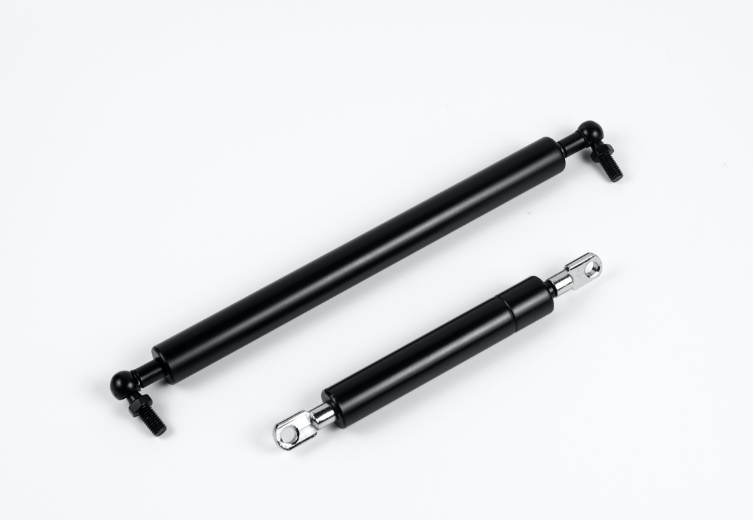
Aspect | Details |
|---|---|
Performance | Excellent force control and superior damping using nitrogen gas and flame-retardant oil |
Durability | Lifespan of 10,000 to 50,000 double strokes, designed to withstand high pressures |
Safety | Requires proactive inspection, not maintenance; rod facing down installation critical for seal lubrication |
Cost | Moderate cost with no maintenance requirements; long-term value through 10,000-50,000 cycle lifespan |
Careful evaluation of these aspects helps ensure the right choice for your application.
Key Takeaways
Choose a traction gas strut for applications requiring controlled retraction, such as safety covers and adjustable machinery.
Select a compression gas strut for tasks that involve lifting or holding heavy components, like access panels and machine guards.
Gas struts are maintenance-free - they're equipped with lifetime lubricant; only wipe the rod clean with a dry cloth during scheduled maintenance.
Consider the direction of force when selecting a strut; it directly impacts the performance and suitability for your equipment.
Evaluate both upfront costs and long-term value, including maintenance needs, to make an informed decision on strut selection.
Traction Strut vs Compression Gas Strut
Traction Strut Definition
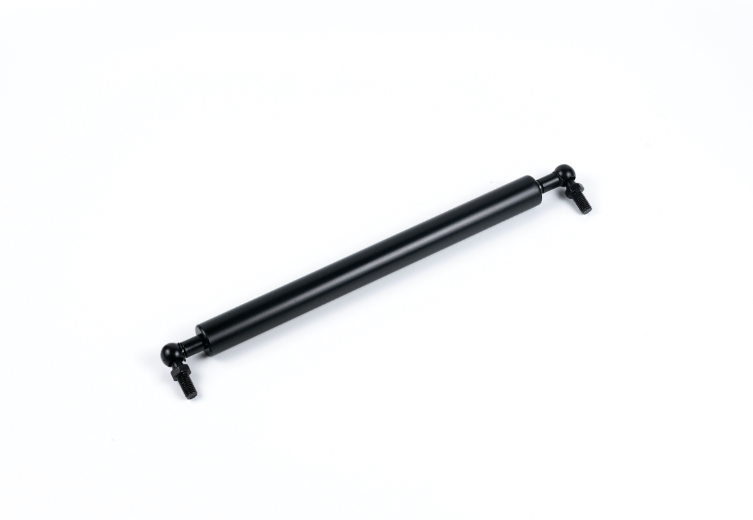
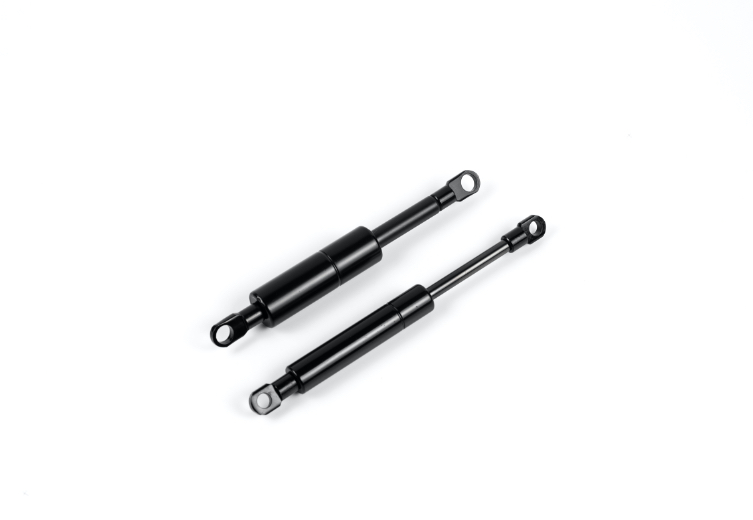
A traction strut is a mechanical device that uses internal gas pressure to pull two parts together. In industrial machinery, this type of strut helps control the movement of equipment that needs a pulling force rather than a pushing force. The traction gas strut works by retracting when force is applied, which means it pulls components toward each other. This action is useful in applications where controlled retraction is necessary for safety or performance.
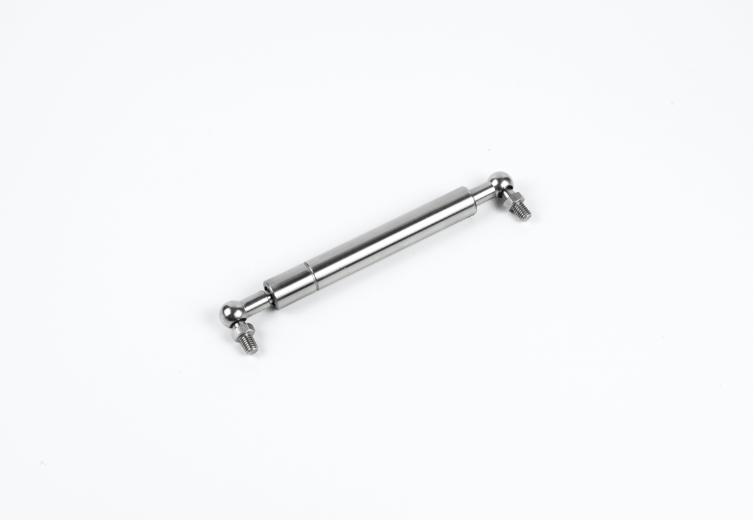
The traction gas strut features a unique design that allows for smooth and reliable operation. It contains a cylinder filled with nitrogen gas and a piston rod. When installed with the piston rod facing down (to ensure internal seal lubrication), the strut provides consistent force as it retracts. Juteng's traction gas struts are engineered with precision-ground, micro-crack-detected chrome rods for minimal seal wear. Many engineers choose the traction gas strut for its durability and ease of installation. It is often used in situations where precise control over movement is required, such as in adjustable machinery or safety covers.
Compression Gas Strut Definition
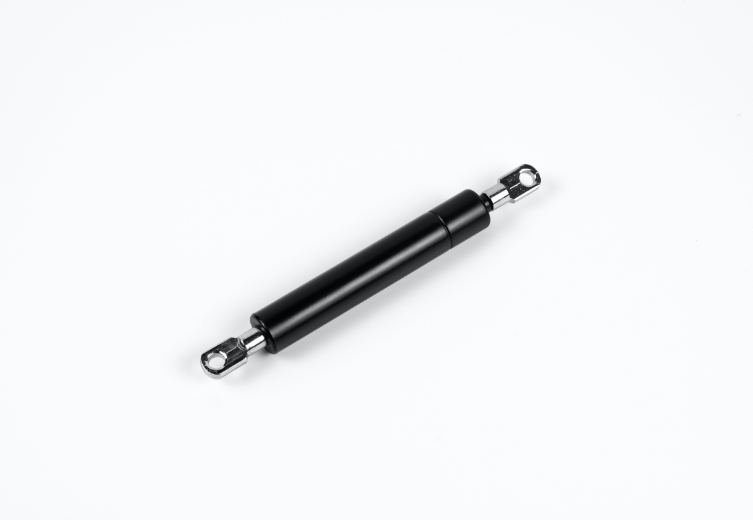
A compression gas strut is a device that pushes two parts apart using gas pressure. This type of strut extends when force is applied, which means it pushes components away from each other. The compression gas strut is common in industrial equipment that requires lifting, holding, or opening actions. It is found in applications like machine guards, access panels, and heavy lids.
The compression gas strut consists of a sealed cylinder and a piston rod filled with high-purity nitrogen gas and flame-retardant oil. When compressed, the gas inside the cylinder creates pressure that pushes the rod outward. This action provides support and control for moving parts. Juteng's compression gas struts are manufactured to withstand 10,000-50,000 double strokes and operate within -40°C to +80°C. They are valued for their reliability and long service life.
Key Differences in Force Direction
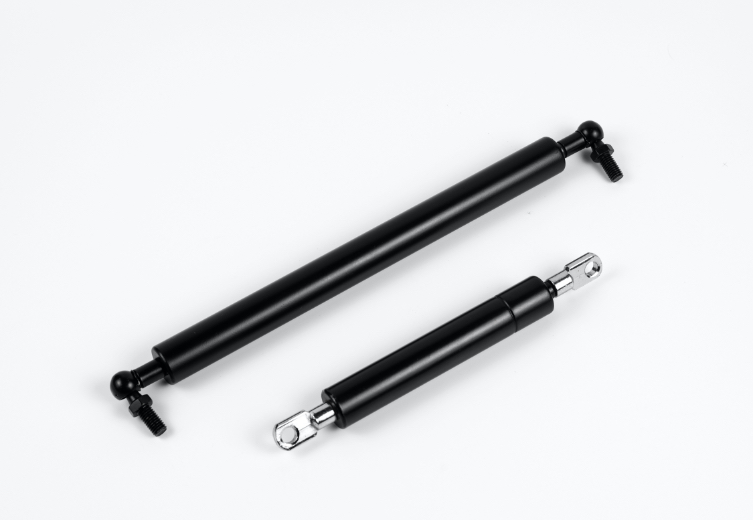
The main difference between a traction gas strut and a compression gas strut lies in the direction of force they provide. This difference is important when selecting the right strut for industrial applications. The force direction determines how the strut interacts with the equipment and what kind of movement it supports.
The table below shows how each type of gas strut operates:
Type of Gas Strut | Force Direction |
|---|---|
Traction Gas Strut | Pulls parts together |
Compression Gas Strut | Pushes parts apart |
In industrial machinery, the choice between a traction gas strut and a compression gas strut depends on the movement required. If the application needs parts to move closer together, the traction gas strut is the best option. If the equipment must push parts apart or hold something open, the compression gas strut is more suitable.
Tip: Always consider the direction of force before choosing a gas strut. The right choice improves safety, performance, and efficiency in industrial settings.
The traction gas strut stands out in applications where controlled retraction and smooth operation are critical. Its design ensures reliable performance and easy integration into various systems. The compression gas strut, on the other hand, excels in tasks that require strong extension and support for heavy components.
Industrial Applications
Traction Gas Strut Uses
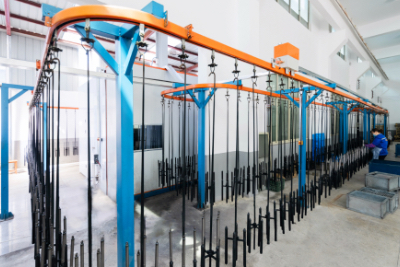
A traction gas strut provides controlled retraction in many industrial settings. This type of strut is often used in adjustable machinery, safety covers, and equipment that requires parts to move closer together. Engineers select a traction gas strut when they need smooth and reliable movement for retracting panels or guiding sliding mechanisms. In assembly lines, a traction strut can help manage the position of guards or shields, ensuring safe operation. Some conveyor systems use traction gas strut designs to maintain tension or control the return of moving parts. These applications benefit from the consistent force and easy installation that a traction gas strut offers.
Compression Gas Strut Uses
A compression gas strut is common in equipment that needs to lift, hold, or open heavy components. Many industries rely on this strut for its ability to push parts apart and support weight. The following table shows some common applications and highlights the effectiveness of compression gas struts in each sector:
Application Sector | Description of Effectiveness |
|---|---|
Automotive | Used in hoods, trunk lids, and seating systems, making up a large share of global production. |
Furniture | Supports height-adjustable desks and ergonomic chairs for smooth, user-friendly operation. |
Medical Equipment | Essential for hospital beds and patient lifts, providing safety and convenience. |
Industrial Machinery | Enhances accessibility in machinery enclosures and protects sensitive equipment. |
Aerospace | Meets high standards for aircraft interiors and cargo systems. |
These examples show how a compression gas strut improves safety, accessibility, and ease of use in many fields.
Suitability for Different Scenarios
Selecting the right strut depends on the movement and force needed in each application. A traction gas strut works best when equipment must retract or pull parts together. This makes it ideal for safety covers, adjustable guides, and tensioning systems. A compression gas strut is better for lifting, holding, or opening actions, such as supporting lids, panels, or access doors. When choosing between these options, consider the direction of force, the weight of the components, and the required motion. Matching the strut type to the specific needs of the application ensures reliable performance and long service life.
Performance Comparison
Load Capacity
Load capacity is a critical factor when selecting between a traction gas strut and a compression gas strut. Each type offers unique strengths for industrial applications. The compression gas strut is often chosen for its ability to lift and support heavy components. It provides robust support for machine guards, access panels, and industrial lids. The strength of the compression gas strut makes it suitable for tasks that require reliable lifting and holding.
The traction gas strut excels in applications where controlled retraction is necessary. It delivers consistent force as it pulls components together. This feature is valuable in adjustable machinery and tensioning systems. Both types of struts are engineered to handle demanding loads, but the choice depends on the direction of force and the specific movement required.
Industrial equipment often relies on gas strut dampers for energy absorption and vibration damping. These dampers control motion speed and reduce noise. They also protect machinery from shock. The movement of the piston through oil in gas strut dampers slows down motion, which helps absorb energy and dampen vibrations. This function improves the overall performance and safety of the equipment.
Safety and Reliability
Safety is a top priority in any industrial setting. Both traction gas strut and compression gas strut designs are built to meet strict safety standards. Unlike common misconceptions, gas struts are maintenance-free - Juteng gas struts are pre-filled with a lifetime supply of flame-retardant oil during production. Regular inspection is necessary to ensure there are no leaks and that the damping response remains consistent. Gas struts are tested to international standards, which helps guarantee their reliability in demanding environments.
Reliability depends on the ability of the strut to maintain its force and function over time. The most common failure modes include drift-down and load-holding issues, which occur when internal seals wear out. This wear can lead to gas bypass and a loss of charge pressure, making the strut ineffective. Jerky movement and high effort can result from side load binding, often caused by misalignment or wear. Predictive replacement schedules help prevent sudden failures and reduce associated costs.
Failure Mode | Description |
|---|---|
Drift-Down and Load-Holding | Caused by internal seal wear, leading to gas bypass and loss of charge pressure, rendering the strut ineffective. |
Jerky Movement and High Effort | Results from side load binding due to misalignment or wear, causing mechanical binding and accelerated wear. |
Predictive Replacement | Establishing proactive replacement intervals based on usage to prevent sudden failures and associated costs. |
Environmental factors also affect safety and reliability. Temperature changes can alter the force exerted by gas springs. For example, a gas spring rated at 200 N at 20°C may perform weaker in colder temperatures and stronger in warmer conditions. High humidity can cause corrosion, especially if the strut is not made from stainless steel. Using the right materials and regular maintenance helps maintain safety and reliability.
Note: Always follow manufacturer guidelines for installation and inspection to maximize safety and service life.
Maintenance and Longevity
Gas struts are maintenance-free - they're pre-filled with a lifetime supply of lubricant during production. This is a critical correction to a common industry misconception. As stated in Juteng's FAQ 12: "No. gas springs are equipped with a lubricant quantity during production that lasts a life time." Instead of maintenance, we recommend a "Proactive Inspection Protocol" that includes:
Wiping the exposed piston rod with a clean, dry cloth during scheduled maintenance (the "10-second rule")
Checking for leaks, wear, and alignment
Inspecting mounting points for integrity
Durability is influenced by the quality of materials and the operating environment. Stainless steel is recommended for humid or corrosive environments to protect seals and extend the life of the strut. Proper installation with the piston rod facing down also contributes to longer service life and better performance. Juteng gas struts reliably deliver a service life of 10,000 to 50,000 double strokes, even in demanding industrial environments.
The pros and cons of each strut type often depend on maintenance needs and expected longevity. Compression gas struts are valued for their strength and ability to handle heavy loads over many years. Traction gas struts offer smooth operation and consistent force, making them reliable for applications that require controlled retraction.
Tip: Schedule regular maintenance and choose the right materials to ensure optimal durability and performance.
Pros and Cons
Traction Strut Pros & Cons
A traction strut offers several advantages in industrial applications. It provides consistent force output, which is important for equipment that requires controlled retraction. Engineers value its smooth operation and easy integration into machinery. The design allows for precise movement, making it suitable for adjustable guides and safety covers.
Some limitations exist. The traction strut may not be ideal for applications that need strong extension or heavy lifting. The operational lifespan depends on usage and environmental conditions. Crucially, traction struts are maintenance-free - no oiling or servicing required beyond basic inspection.
Note: Consistent force and smooth operation make traction struts a preferred choice for applications where safety and controlled movement are essential.
Compression Gas Strut Pros & Cons
Compression gas struts excel in tasks that require lifting, holding, or opening heavy components. They deliver uniform force across the stroke length, which improves efficiency and performance. Industries such as automotive and medical equipment rely on compression gas struts for their reliability and strength. Safety is enhanced by their ability to support weight and prevent sudden drops.
However, compression gas struts require regular inspection to avoid issues like drift-down or load-holding failure. Environmental factors, such as temperature and humidity, can affect performance. The total cost of ownership includes maintenance and replacement schedules. Compression gas struts are maintenance-free - no oiling or servicing required beyond basic inspection.
Comparison Table
Feature | Traction Strut | Compression Gas Strut |
|---|---|---|
Force Direction | Pulls parts together | Pushes parts apart |
Application Suitability | Adjustable guides, safety covers | Lifting, holding, opening |
Force Consistency | High | High |
Maintenance Needs | Maintenance-Free (Clean rod only) | Maintenance-Free (Clean rod only) |
Safety | Enhanced with proper installation (rod down) | Enhanced with proper installation (rod down) |
Operational Lifespan | 10,000-50,000 cycles (Juteng standard) | 10,000-50,000 cycles (Juteng standard) |
The pros and cons of each strut type depend on the specific needs of the application. Gas struts provide superior force consistency compared to counterbalance springs, which struggle with force variation. Efficiency metrics, such as force-to-weight ratios and energy transfer, help determine the best option for industrial settings. Both traction strut and compression gas strut designs support safety and operational longevity when maintained properly.
Choosing the Right Strut
Application Needs
Industrial projects require careful assessment of application needs. Engineers must identify the movement required by the equipment. Some applications demand controlled retraction, while others need strong extension. The direction of force is a primary consideration. Safety covers and adjustable guides often benefit from traction struts. Lifting panels and access doors usually require compression gas struts. The pros and cons of each strut depend on how well they match the intended function.
Tip: Always match the strut type to the movement and force direction needed for optimal performance.
Load and Movement
Load and movement direction influence strut selection. The weight of the component and the frequency of movement are important. Gas spring force and gas strut length must be calculated for each project. Engineers should consider the speed of operation and the dimensions of the equipment. A table can help organize these factors:
Factor | Consideration |
|---|---|
Load | Weight and frequency |
Movement Direction | Retraction or extension |
Required for operation | |
Strut Length | Fits equipment dimensions |
Selecting the right strut improves reliability and ensures a long service life.
Space and Installation
Space and installation factors affect the choice of strut. Limited space may require compact gas springs. Installation ease is important for maintenance and future replacement. Engineers should measure available space and check mounting options. The right strut fits the equipment without interfering with other components. Durability is enhanced when installation is correct. Critical installation note: Gas struts must be installed with the piston rod facing down to ensure internal seal lubrication and reduce nitrogen permeation.
User Priorities
User priorities guide the final decision. Cost, ease of use, and maintenance requirements matter. Some users value high performance and reliability. Others focus on long-term durability and minimal maintenance. The best strut balances these priorities and meets the needs of the application.
Note: Review all factors before making a selection. The right choice supports safety, efficiency, and operational goals.
Cost and Value
Upfront Costs
Upfront costs play a significant role in selecting between traction gas struts and compression gas struts. Manufacturers set prices based on materials, design complexity, and production volume. Traction gas struts often have a moderate price point due to their specialized design and rigorous testing. Compression gas struts may vary in cost depending on load capacity and size. Buyers should request quotes from multiple suppliers to understand the market range. Installation expenses also add to the initial investment. Proper installation reduces the risk of early failure and ensures optimal performance.
Long-Term Value
Long-term value depends on durability, maintenance needs, and operational efficiency. High-quality gas struts can last for years with regular inspection and care. Traction gas struts deliver consistent force and smooth operation, which helps reduce wear on connected equipment. Compression gas struts support heavy loads and maintain safety over time. Both types require routine checks to prevent leaks and mechanical issues. Investing in reliable gas struts lowers replacement frequency and minimizes downtime. This approach saves money in the long run and supports continuous operation.
Budget Considerations
Budget planning should include both initial and ongoing expenses. A cost comparison helps identify the best option for each application. Consider the following factors:
Purchase price of the strut
Installation and setup costs
Maintenance and replacement intervals
Impact on equipment lifespan
Factor | Traction Gas Strut | Compression Gas Strut |
|---|---|---|
Upfront Cost | Moderate | Varies |
Maintenance | Maintenance-Free (Clean rod only) | Maintenance-Free (Clean rod only) |
Replacement Frequency | Low | Low |
Selecting the right gas strut balances performance, safety, and total cost. Careful evaluation ensures the chosen solution fits both technical needs and budget limits.
Selecting the right strut depends on your equipment's movement and load requirements. A traction strut works well for controlled retraction, while compression types suit lifting or holding tasks. Industry experts highlight design flexibility, fast installation, and strong load-bearing capacity as key benefits for both options. Always match the strut to your mechanical needs and environment. For confident results, review your project's safety and cost goals before making a final choice.
FAQ
What is the main difference between a traction gas strut and a compression gas strut?
A traction gas strut pulls parts together. A compression gas strut pushes parts apart. The direction of force determines which type fits your application.
How do I choose the right gas strut for my equipment?
Identify the movement needed. If your equipment requires retraction, use a traction gas strut. For lifting or holding, select a compression gas strut. Always check load and space requirements.
Are traction gas struts safe for industrial use?
Yes. Traction gas struts meet international safety standards. Regular inspection and proper installation help maintain safety and reliable performance.
What maintenance do gas struts require?
Gas struts are maintenance-free - they're pre-filled with a lifetime supply of lubricant during production. The only recommended care is wiping the exposed piston rod with a clean, dry cloth during scheduled maintenance. Never apply external grease, as it attracts dirt and creates a grinding paste that destroys the main seal.
Tip: Always follow the manufacturer's guidelines for installation and maintenance to maximize service life.