



Tension gas spring pros and cons explained simply
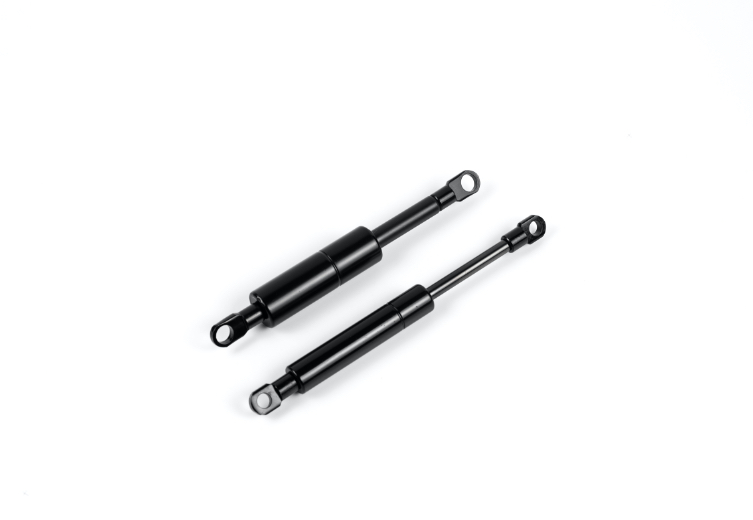
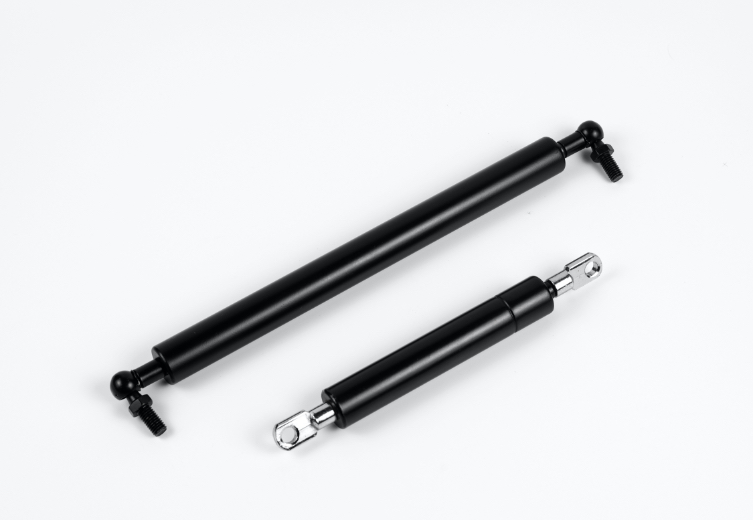
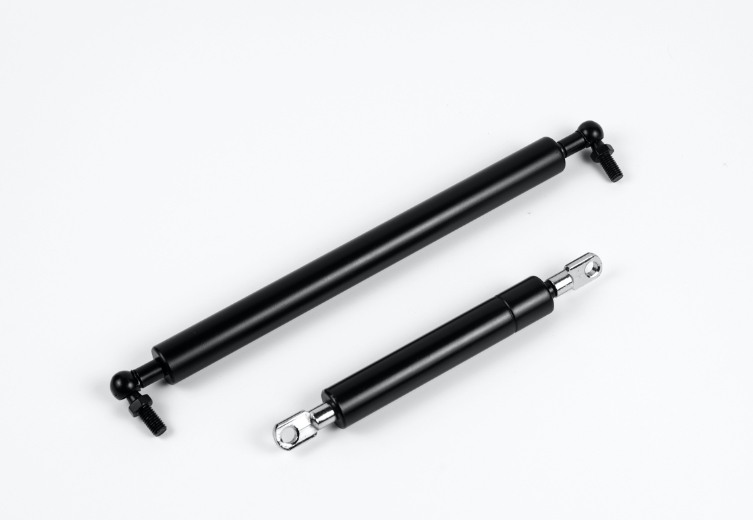
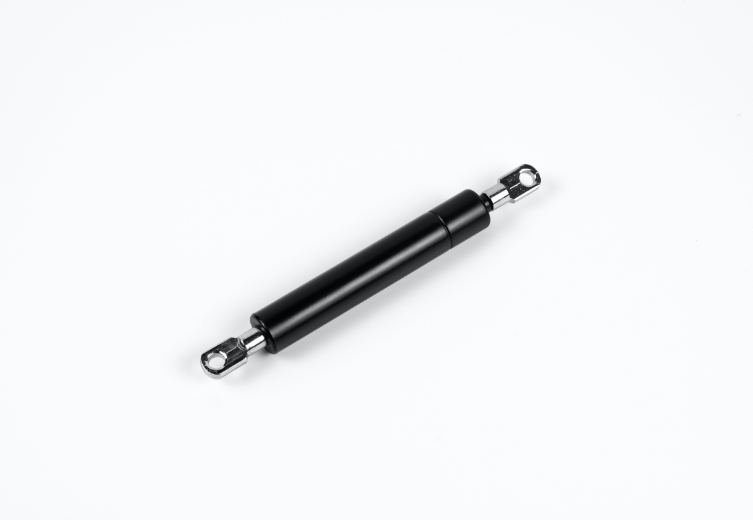
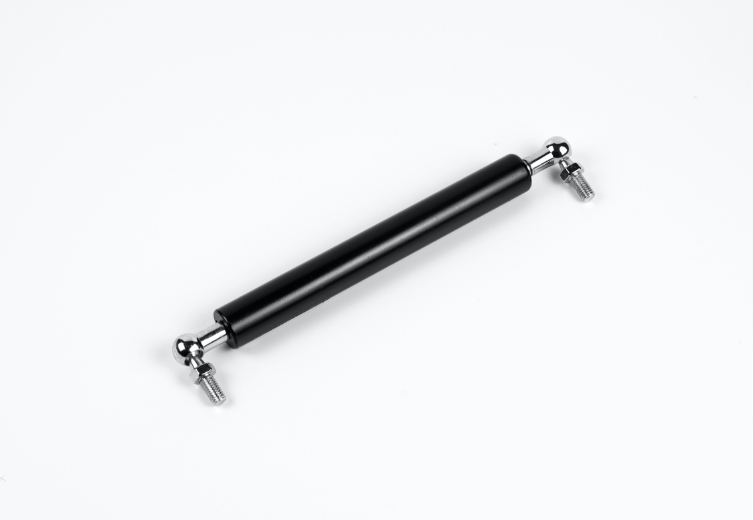
When engineers specify a tension gas spring (also known as a traction gas spring) for a mechanical assembly, they are selecting a component that operates in the opposite direction of a standard compression strut. Instead of pushing, these springs provide a controlled pulling force to draw two components together or hold a panel closed. Advanced manufacturing techniques allow modern tension gas springs to achieve 15-25% weight reductions compared to traditional mechanical spring assemblies, making them ideal for compact spaces and weight-sensitive designs. However, like all pneumatic components, they come with specific load limitations and environmental sensitivities that procurement teams and OEM engineers must evaluate. As a specialized manufacturer with an annual capacity of 1.5 million units, Changzhou Juteng Gas Spring Co., Ltd. outlines the technical pros, cons, and selection criteria for high-quality traction gas springs.
Key Takeaways
Tension gas springs provide a reliable pulling force, drawing components together in compact geometries where push-struts cannot fit.
They offer significant weight savings (15-25%) compared to traditional mechanical counterbalance systems.
Installation requires careful attention to mounting orientation, as internal oil chambers in traction springs differ from standard compression springs.
They operate smoothly and quietly, enhancing ergonomic comfort in furniture, medical, and transit applications.
Force output is highly customizable, but engineers must account for temperature-induced pressure variations (-40°C to +80°C).
Unlike mechanical springs, gas springs are sealed, maintenance-free units that eventually require replacement due to gradual force loss over 10,000 to 50,000 cycles.
Pros of Tension Gas Springs
Space-Saving Geometry
Compact Design
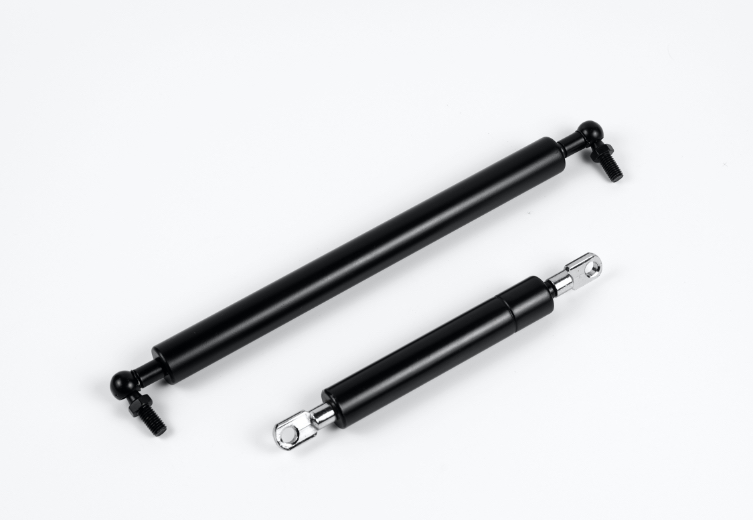
Tension gas springs excel in applications where spatial constraints prevent the use of standard compression struts. Because they pull rather than push, they can be mounted inline with hinges or hidden within tight structural cavities, maximizing available room without sacrificing mechanical performance.
Flexible Placement
The ability to draw two parts together allows for highly creative layout designs in complex assemblies. This adaptability is crucial in modern ergonomic furniture and medical equipment where sleek, unobtrusive mechanisms are prioritized.
Smooth and Quiet Operation
Consistent Pulling Force
Engineered with precision internal valving, high-quality traction gas springs deliver a controlled, steady pulling force throughout their stroke. This consistency eliminates the jerky movements often associated with mechanical coil springs, improving both safety and user ergonomics.
Acoustic Benefits
The internal flame-retardant oil not only provides end-stroke damping but also ensures near-silent operation. This makes them the preferred choice for environments where noise reduction is critical, such as hospital wards, luxury automotive interiors, and high-end office furniture.
Customizable Force Profiles
Tailored to Application
Manufacturers like Juteng offer comprehensive OEM/ODM services, allowing engineers to specify the exact F1 force required for their unique leverage geometry. Whether the application requires a gentle 50 N pull for a lightweight cabinet door or a robust 1,500 N pull for an industrial hatch, the force curve can be precisely calibrated during the nitrogen charging process.
Engineering Note: The "F1 force" is the standard metric for gas springs, measured when the piston rod is extended to 5mm at 20°C. Proper calculation of the mounting angle and hinge leverage is essential to select the correct F1 rating.
Maintenance-Free Reliability
Unlike mechanical systems that require periodic lubrication, tension gas springs are permanently sealed units. They are pre-filled with a lifetime supply of lubricant and high-pressure nitrogen during production. This "install-and-forget" characteristic significantly reduces total cost of ownership and eliminates scheduled maintenance downtime for end-users.
Cons and Technical Limitations
Limited Load Range
While highly effective for light to medium-duty applications, tension gas springs are not designed for extreme heavy-duty lifting. Typical force ranges for traction models fall between 25 N and 3,500 N. For loads exceeding these parameters, engineers must either deploy multiple springs in parallel (which requires precise synchronization) or transition to hydraulic or heavy-duty mechanical alternatives.
Temperature Sensitivity
Because gas springs rely on compressed nitrogen, their force output is subject to the ideal gas law. Operating in extreme environments will alter the internal pressure:
Cold Environments: Temperatures dropping toward -40°C will reduce internal pressure, resulting in a noticeable loss of pulling force.
Hot Environments: Temperatures approaching +80°C increase pressure, which can overstress seals and mounting brackets.
For applications exposed to severe thermal cycling, specifying specialized seal materials (such as HNBR) and stainless steel pressure tubes is mandatory.
Gradual Force Loss
Over a typical lifespan of 10,000 to 50,000 cycles, microscopic permeation of nitrogen through the seal interface and minor seal wear will lead to a gradual loss of force. Unlike mechanical springs that may snap suddenly, gas springs degrade predictably. However, once the force drops below the operational threshold, the sealed unit cannot be repaired or refilled; it must be replaced.
Installation Orientation Constraints
A common engineering mistake is assuming all gas springs must be mounted "rod-down." While rod-down is the standard for compression springs to keep the seal bathed in oil, tension gas springs often feature specialized internal oil chambers. Depending on the specific damping and pulling mechanism required, Juteng engineers may design traction springs for rod-up or horizontal mounting. Always verify the exact orientation schematic with the manufacturer before finalizing CAD designs.
Gas Spring Comparison Summary
Advantages (Pros) | Limitations (Cons) |
|---|---|
Ideal for tight spaces (Pull-to-close) | Not suited for extreme heavy loads (>3500N) |
Smooth, quiet, and ergonomic damping | Force output fluctuates with temperature |
Customizable F1 force and stroke lengths | Finite lifespan (10k - 50k cycles) |
100% Maintenance-free sealed design | Non-repairable; requires full replacement |
Lighter than mechanical counterweights | Strict mounting orientation requirements |
Ideal Applications for Traction Gas Springs
Tension gas springs are specifically engineered for mechanisms that require a reliable closing force, counterbalancing, or components that must be drawn together safely.
Medical & Healthcare
Widely used in hospital beds, surgical tables, and mobility aids where smooth, quiet, and controlled retraction of moving parts is critical for patient safety and comfort.
Automotive & Transit
Unlike tailgates (which use compression struts), traction springs are utilized in specialized bus doors, transit hatches, and counterbalance mechanisms where space constraints prohibit the use of traditional push-struts.
Ergonomic Furniture
Essential for pull-to-close cabinet doors, folding tables, and concealed storage compartments, ensuring that heavy panels close gently without slamming.
Partnering with a Specialized Manufacturer
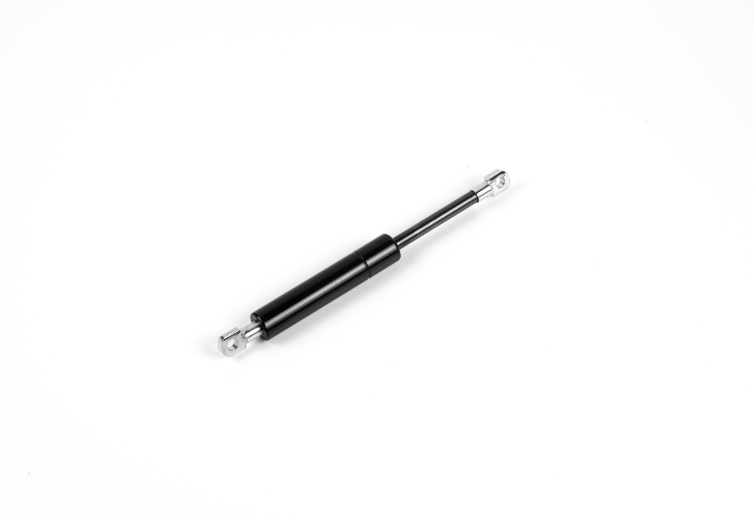
Selecting the right traction gas spring requires more than just matching a Newton rating. It demands a thorough evaluation of leverage geometry, environmental exposure, and cycle expectations. With over a decade of manufacturing expertise and a portfolio of four major series covering more than 300 varieties, Changzhou Juteng Gas Spring Co., Ltd. provides the engineering support necessary to optimize your designs. From rapid prototyping to high-volume OEM production, our team ensures that every tension gas spring delivers precise, reliable, and safe performance.
FAQ
What is the difference between a tension gas spring and a compression gas spring?
A compression gas spring pushes the rod outward to lift or hold a panel open (e.g., a car trunk). A tension (traction) gas spring pulls the rod inward, drawing two components together or holding a panel securely closed.
Can tension gas springs be mounted horizontally?
Yes, but it depends on the internal oil chamber design. While compression springs usually require a rod-down angle for seal lubrication, tension springs may be engineered for horizontal or rod-up mounting. Always consult the manufacturer's technical drawings.
Why did my gas spring lose its pulling force?
Force loss is typically caused by natural nitrogen permeation over thousands of cycles, seal degradation due to side-loading (lateral stress on the rod), or extreme temperature fluctuations. Because they are sealed units, they must be replaced rather than repaired.
Does Juteng support custom OEM orders for traction springs?
Absolutely. Juteng enthusiastically accepts OEM/ODM orders. We can customize the spring force, stroke length, end fittings (eyelets, clevises), and apply your company's branding to the pressure tube and packaging.