




Locking gas strut showdown which type suits you best
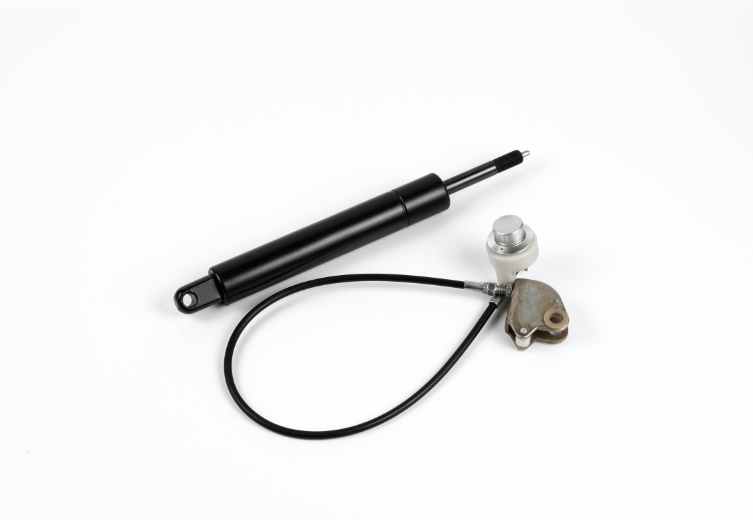
The best locking gas strut depends on what you need. Adjustable types give you more flexibility. Fixed types offer a simple solution for everyday use. Changzhou Ju Teng Gas Springs Co., Ltd. (Juteng) stands out as a trusted brand with strong quality and innovation. Since 2009, they have delivered reliable products for many industries. Think about what matters most to you—adjustability, reliability, or cost—before you choose.
Key Takeaways
Adjustable locking gas struts provide flexibility. They allow users to lock at any position, making them ideal for projects with changing needs.
Fixed locking gas struts offer simplicity and reliability. They lock at preset positions, making them perfect for routine tasks.
Consider your application before choosing. Adjustable types suit prototyping and medical equipment, while fixed types are best for furniture and machinery.
Juteng is a trusted brand known for quality. Their products ensure performance and durability, regardless of the type you choose.
Always check installation guidelines. Proper setup maximizes the lifespan and effectiveness of your locking gas strut.
Quick Comparison
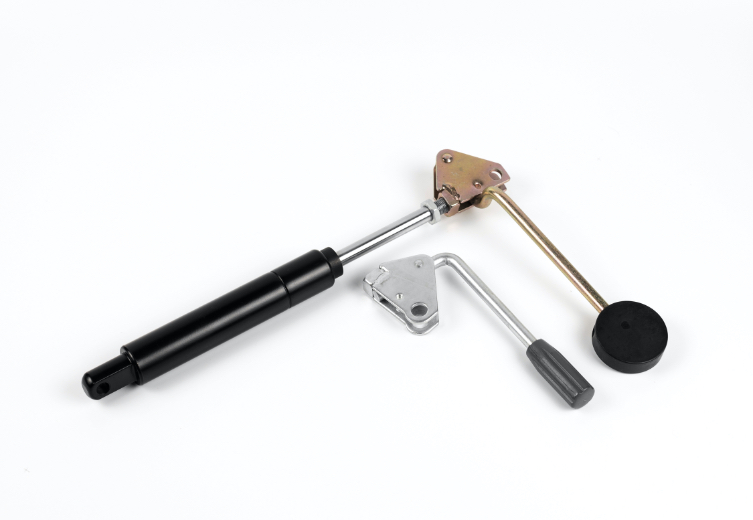
Choosing the right locking gas strut starts with understanding the main differences between adjustable and fixed types. The table below gives a fast overview:
Feature | Adjustable Locking Gas Strut | Fixed Locking Gas Strut |
|---|---|---|
Adjustability | Can lock at any position | Locks only at preset positions |
Flexibility | High—ideal for changing needs | Low—best for consistent use |
Ease of Use | Requires more setup and adjustment | Simple to install and operate |
Applications | Prototyping, medical beds, office chairs | Cabinets, machinery covers, daily-use furniture |
Cost | Usually higher due to complexity | Often more affordable |
Reliability | Great for variable requirements | Excellent for routine operations |
Tip: Adjustable types work best when you are unsure about the force or position needed. Fixed types shine in everyday tasks where the same movement is repeated.
Key Points to Remember:
Adjustable locking gas struts offer flexibility. They suit projects where requirements may change.
Fixed locking gas struts provide a simple, reliable solution. They fit applications with set movements.
A custom locking gas strut from a trusted brand like Juteng ensures quality and performance, no matter which type you choose.
Adjustable Locking Gas Strut
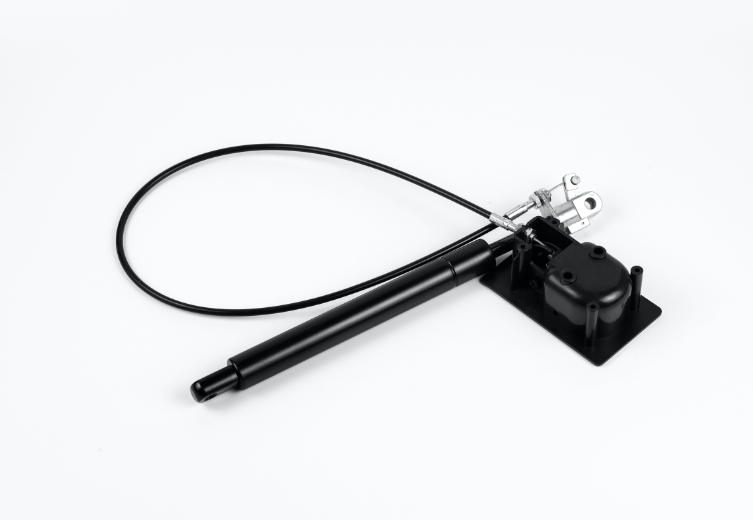
How Adjustable Types Work
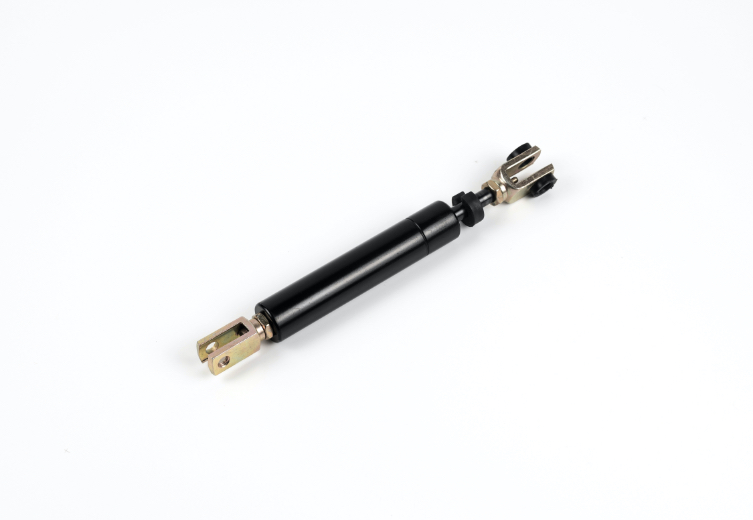
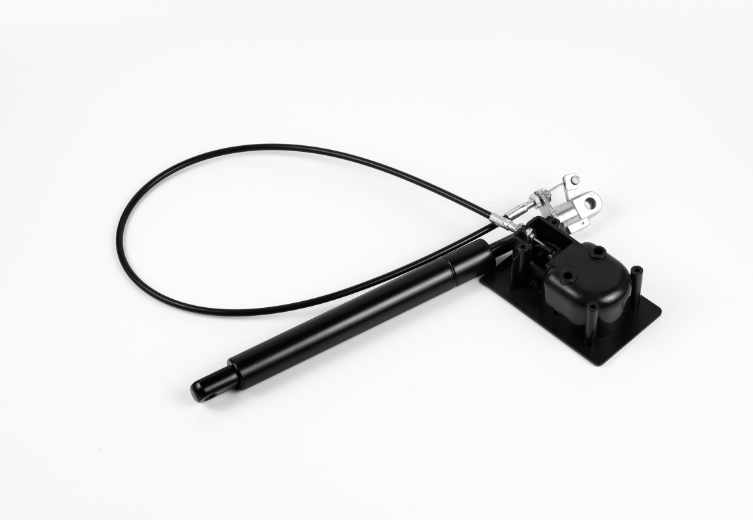
Adjustable locking gas struts use a combination of pneumatic force and a precise locking mechanism. Inside the strut, a pressure tube holds compressed gas. A piston moves within this tube. When the strut is unlocked, the gas pushes the piston, allowing smooth movement. The user can activate an internal valve to lock the piston at any point along its stroke. This design lets you hold a load securely in any position, making it ideal for situations where the required position or force may change.
Note: This variable positioning is possible because of the internal valve system and the balance between gas pressure and hydraulic oil inside the strut.
Features and Benefits
Adjustable locking gas struts offer several distinct advantages:
Flexible Positioning: Users can lock the rod at any position, not just preset points.
Precise Control: The mechanism allows for fine adjustments, which is useful during prototyping or when requirements are uncertain.
Safety and Stability: The strut holds loads securely, reducing the risk of sudden movement.
Customization: Juteng offers a wide range of options, including force ratings from 50N to 2000N, different stroke lengths, and various end fittings. Materials like stainless steel are available for harsh environments.
Juteng’s product range covers many needs. For complex projects, you can utilize Juteng's free computer-aided gas spring design services to calculate the exact F1 force and mounting geometry.
Common Applications
Adjustable locking gas struts are used in many industries because of their versatility. The table below shows some common uses:
Industry | Application Description |
|---|---|
Automotive | Trunk and hatch mechanisms for safety and accessibility |
Furniture | Reclining chairs and adjustable desks for smooth adjustment |
Industrial | Machinery for secure and flexible positioning |
Aerospace | Cargo doors and seating mechanisms |
Medical Devices | Adjustable beds and medical equipment for safety and comfort |
Recreational Vehicles | Enhancing functionality and safety in various applications |
Home Appliances | Improved usability and safety in appliances |
A locking gas strut with adjustable features is especially valuable when you need flexibility and control in your project.
Fixed Locking Gas Strut
How Fixed Types Work
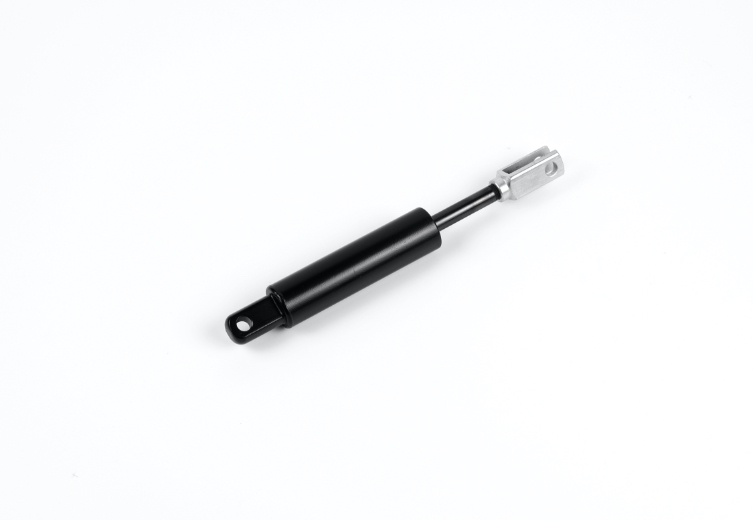
Fixed locking gas struts use a simple and effective design. The main parts include a pressure tube, a piston rod, and a locking mechanism. When you move the rod, the gas inside the tube creates force. The locking mechanism holds the rod in a set position. This means the rod can only stop at specific points, not anywhere along the stroke. The operation is straightforward. You move the rod to the desired position, and it locks automatically. This makes fixed types easy to use and quick to install.
Features and Benefits
Fixed locking gas struts offer several advantages for users who want reliability and simplicity. These struts are often chosen for "set-and-forget" situations. Once installed, they require little attention. The installation process is fast, and the operation does not need special training. Juteng provides a range of fixed options that are known for their durability and consistent performance.
Some key features include:
Simple operation with automatic locking at preset positions
Reliable performance for daily use
Wide force range to suit different needs
Typical force ranges for fixed locking gas struts in the market include:
2 lbs to 1,120 lbs
Models that support up to 135 kg (about 298 lbs)
Juteng’s fixed locking gas struts are built to last. They use high-quality materials and precise engineering. Customers can select from various sizes, force ratings, and end fittings to match their application.
Common Applications
Fixed locking gas struts are popular in many industries. Their ease of use and reliability make them a top choice for routine tasks. Here are some common applications:
Industry | Application Example |
|---|---|
Furniture | Cabinets, beds, and recliners |
Machinery | Covers and access panels |
Automotive | Glove boxes and compartment lids |
Medical | Adjustable chairs and supports |
Home Appliances | Lids and doors |
A fixed locking gas strut is ideal for applications where the same movement happens every day. Juteng’s products deliver dependable support and long service life.
Locking Gas Strut Comparison
Adjustability & Versatility
Adjustable locking gas struts stand out for their ability to lock and unlock at any position along the stroke. This feature gives users more control and flexibility. For example, in custom machinery or medical equipment, the need to stop at different points is common. Adjustable types allow for this, making them ideal for projects where requirements may change over time. Fixed locking gas struts, on the other hand, have preset positions. Once installed, they offer limited adjustability. This makes them suitable for applications where the movement is consistent and does not need frequent changes.
The versatility of adjustable locking gas struts has led to their widespread use in automotive, furniture, and industrial sectors. They provide controlled lifting and lowering of heavy loads, which improves ergonomics and safety. Fixed types are more common in routine applications, such as cabinet doors or machinery covers, where the same action repeats daily.
Note: Adjustable locking gas struts are often chosen for projects that require frequent adjustments or fine-tuning, while fixed types are best for stable, repetitive tasks.
Ease of Use
Fixed locking gas struts are known for their simplicity. Users can install them quickly and operate them with minimal effort. The locking mechanism works automatically at preset positions, so there is little need for adjustment after installation. This makes fixed types a popular choice for furniture, home appliances, and other daily-use items.
Adjustable locking gas struts require more setup. Users must determine the correct position and activate the locking mechanism as needed. This process may take more time, especially during the initial installation or when frequent changes are necessary. However, the added flexibility can be valuable in environments where requirements are not fixed.
Fixed types: Simple operation, minimal training needed
Adjustable types: More setup, but greater control
Reliability & Maintenance
Both adjustable and fixed locking gas struts are designed for durability, but maintenance needs can differ. Over time, all gas struts may face issues such as loss of pressure, oil leakage, or sticking due to dirt. Proper installation and regular checks help maintain performance.
Here is a table summarizing common maintenance issues:
Maintenance Issue | Description |
|---|---|
Loss of Pressure | Struts can lose gas over time, leading to reduced force and functionality. |
Oil Leakage | Fluid leaks can occur, often indicating a seal failure. |
Sticking or Binding | Dirt or debris can cause struts to stick, affecting smooth operation. |
Corrosion | Exposure to moisture can lead to rust and deterioration of the strut’s exterior. |
Overloading | Exceeding the weight capacity can damage the strut and shorten its lifespan. |
Misalignment | Improper installation can lead to uneven force distribution and premature wear. |
⚠️ Safety Warning: Gas struts are filled with high-pressure nitrogen (up to 8-10 MPa) and are completely irreparable. Never attempt to open or repair a leaking strut, as it can cause an overpressure burst releasing deadly high-speed debris. Always replace worn units.
Juteng manufactures both types with high-quality materials, backed by international quality management certifications. This focus on quality helps reduce maintenance needs and extends the lifespan of each product.
Cost & Value
Cost is an important factor when choosing between adjustable and fixed locking gas struts. Adjustable types usually cost more because of their complex design and added features. They offer greater value in projects that require flexibility or frequent changes. Fixed types are often more affordable and provide excellent value for applications with stable requirements.
Adjustable types: Higher initial cost, but more versatile
Fixed types: Lower cost, ideal for routine use
Juteng offers competitive pricing for both types, ensuring customers receive reliable products that match their budget and needs.
Installation & Compatibility
Installation requirements differ between adjustable and fixed locking gas struts. Fixed types are easier to install and require less adjustment. Most users can complete the process quickly, making them suitable for standard applications. Adjustable types may need more careful setup to ensure the correct positioning and force. This can take more time, but it allows for a tailored fit in custom projects.
Engineering Tip: Always install the gas strut with the piston rod facing down. This ensures the internal flame-retardant oil constantly lubricates the seal and reduces nitrogen permeation, maximizing the 10,000 to 50,000 cycle lifespan.
Compatibility with different applications is another consideration. Juteng provides a wide range of sizes, force ratings, and end fittings for both types. This ensures that customers can find the right solution for their specific needs, whether they require a standard or custom product.
Choosing the Right Type
When to Pick Adjustable
Adjustable locking gas struts work best in situations where flexibility is important. These struts allow users to lock the rod at any position, making them ideal for projects that require frequent changes or fine-tuning. Prototyping is a common example. During the design phase, engineers often need to test different positions and forces. Adjustable types make this process easier.
When selecting an adjustable locking gas strut for prototyping, consider the following factors:
Force range and load behavior
Stroke length and cylinder dimensions
Rod diameter
Mounting orientation
End fittings and accessories
Environmental conditions, such as temperature, corrosion, or hygiene requirements
Applications with uncertain force requirements also benefit from adjustable types. Variable gas struts allow pressure adjustment, which helps users find the right force. Some designs offer elastic locking for minor adjustments, while others provide rigid locking for complete stability.
Tip: Adjustable locking gas struts are a smart choice for medical equipment, custom furniture, and machinery where requirements may change over time.
When to Pick Fixed
Fixed locking gas struts are best for applications with consistent, repetitive movements. These struts lock only at preset positions, which simplifies installation and daily use. Fixed types suit environments where the same action happens every day, such as opening a cabinet or supporting a machinery cover.
Small businesses often choose fixed types for their lower cost and straightforward operation. Cost considerations play a big role in this decision. Custom gas struts can increase unit costs by 15-25% compared to standard options. However, for businesses producing more than 200 units each year, custom solutions may lower total ownership costs and improve performance. Simple modifications add 10-20% to the base price, while complex customizations can increase costs further. Weigh these factors against the benefits of improved efficiency and reliability.
Note: Fixed locking gas struts are ideal for furniture, home appliances, and automotive compartments where the movement does not change.
Choosing between adjustable and fixed locking gas struts depends on your priorities. Adjustable types offer flexible positioning and suit projects with changing needs, while fixed types provide reliable support for routine tasks. The table below highlights key differences:
Feature | Adjustable (Elastic/Rigid) | Fixed |
|---|---|---|
Position Control | Any position | Preset points |
User Feel | Cushioned or solid | Solid |
Best For | Prototyping, medical, ergonomic furniture | Cabinets, machinery covers |
Assess your application, force, and environment.
Match these factors to the right type for best results.
If unsure, consult Juteng or a trusted expert for guidance.
Juteng delivers quality solutions for every need.
FAQ
What is a locking gas strut?
A locking gas strut is a device that uses compressed gas to support, lift, or lower objects. It can lock in place to hold a load securely. Many industries use them for safety and convenience.
How do I choose between adjustable and fixed types?
Consider your needs. Adjustable types offer flexibility for changing positions. Fixed types work best for routine, repeated movements. Review your application and decide which feature matters most.
Can I install a gas strut myself?
Most users can install a gas strut with basic tools. Always follow the manufacturer’s instructions. If unsure, ask a professional for help.
What industries use Juteng gas springs?
Industry | Common Use |
|---|---|
Automotive | Trunks, hatches |
Furniture | Chairs, cabinets |
Medical | Beds, equipment |
Machinery | Covers, panels |
Any tips for longer gas strut life?
Tip: Keep the strut clean and check for leaks. Do not overload it. Store and use it in dry conditions for best results.
Conclusion
Ready to optimize your project? Contact our engineering team today for expert guidance and custom solutions. For more technical insights and industry trends, visit our latest news and guides.