




Stop Replacing Gas Struts: Diagnose Root Causes First
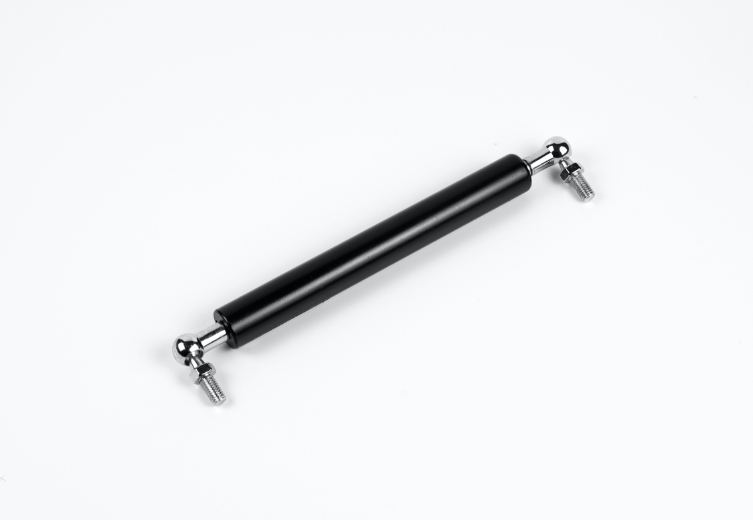
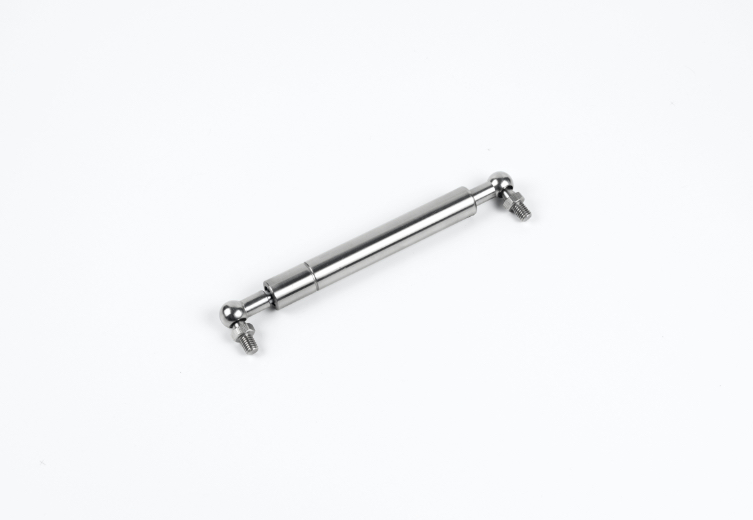
In the demanding world of rail and heavy-duty vehicle fleets, the traction gas strut is an unsung hero. Ever had a heavy engine hood suddenly drift down during an inspection, or an access panel slam shut on a technician? These aren't just operational glitches—they're immediate safety hazards, sources of costly downtime, and signs of a deeper system failure. Unlike light-duty parts in consumer cars, these traction gas springs endure constant vibration, extreme temperatures, and abrasive chemicals. This is why selecting a manufacturing partner with deep application expertise—one that understands this component is a safety device, not a commodity—is the most critical decision a fleet manager can make.
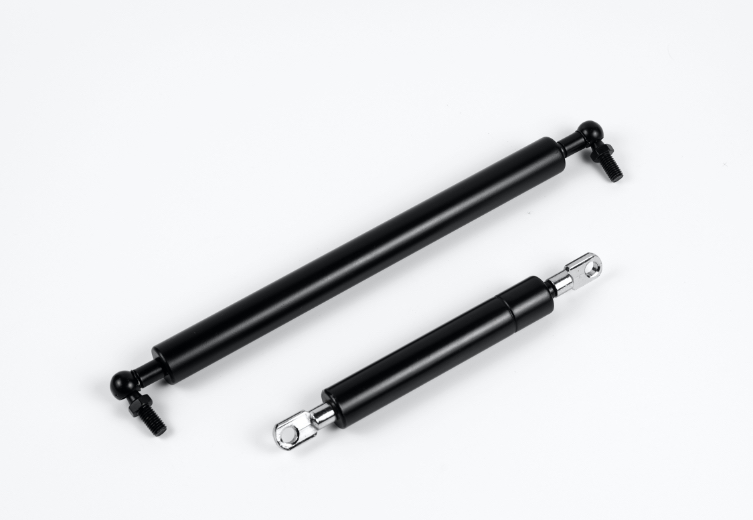
Failure Analysis and Troubleshooting
Diagnosing Drift-Down and Load-Holding Failure
You notice a hood, panel, or seat slowly sagging after being raised. In cold weather, it might not hold any weight at all. Jumping to the conclusion of a simple "weak strut" can mask deeper mechanical problems. The root cause is often internal seal wear. Over millions of micro-vibrations, the piston seal hardens, allowing gas to bypass the piston. A natural, molecular-level loss of nitrogen through the main rod seal also accelerates with heat and seal contamination. A loss of just 10-15% of the charge pressure can render the strut useless. When the small volume of lubricating oil breaks down or leaks out, you'll see a dry rod with visible scratching.
Tip: A functional strut feels slightly warm after a few cycles. A failed one with gas bypass often has a colder spot near the gland. If the rod feels significantly colder than the tube in a static state, it indicates rapid gas expansion past the piston seal.
Here are the key indicators to look for:
Raise the load to full extension and mark the rod with tape. Observe it after 15 minutes; any movement indicates internal bypass.
If equipment is available, test the force output over the entire stroke. A healthy strut shows a smooth, progressive curve; a failed one shows a sudden drop.
Look for a dry, scratched rod—a tell-tale sign of oil degradation or leakage.
Identifying Jerky Movement and High Operating Effort
If the strut moves in a series of stick-slip motions or feels excessively stiff before suddenly releasing, you're facing a critical systemic issue. The primary culprit is often side load binding from misaligned mounting points, worn-out ball studs, or loose brackets. This forces a bending moment onto the rod, causing mechanical binding and accelerated wear. A nicked or scratched rod will tear the main seal with every cycle, while abrasive particles from a punctured dust cover can score the inner cylinder wall and jam the piston.
Diagnostic Test | What It Reveals |
|---|---|
Strut Isolation Test | Binding in hinges, not strut |
Mounting Alignment Check | Offset mountings causing side load |
Rod Surface Inspection | Pits, bumps, or scratches damaging seals |
The quality of the rod surface is paramount. Genuine, high-spec struts from manufacturers like CZ Juteng use a precision-ground, micro-crack-detected chrome rod that provides a perfectly smooth, low-friction surface, minimizing seal wear from the very first cycle.
Spotting Visible Oil or Gas Leakage
A wet, oily film on the chrome rod or a build-up of oily dirt around the rod guide signals a catastrophic main seal failure. This is the final stage, often following ignored symptoms. Chemical attack from aggressive cleaning agents or hydraulic fluid leaks can also cause the seal material to swell or crack. An audible hiss upon actuation means the strut is on the verge of complete, sudden collapse.
Note: A strut with a compromised main seal is a safety-critical failure. Tag out the equipment immediately. When replacing, do not discard the old strut—cut it open for forensic analysis. Was the seal torn from side load? Was it melted from heat or chemicals? This will guide the true corrective action, which may be a system fix, not just a new strut.
This forensic approach is where the supply chain matters. A partner like CZ Juteng offers material traceability and can work with your team on root cause analysis, specifying a custom seal compound if the failure is found to be chemical-attack related, upgrading the standard material to one with higher resistance.
Safe and Effective Replacement Procedure
Securing the Load and Strategic Unbolting
Replacing a high-force traction gas strut involves significant stored energy. Never rely on a prop rod alone. Use a properly rated, lockable support stand—a hydraulic floor jack can creep and fail. The load must be immobile. Identify the end with the least physical access and remove it first. This lets you use the strut's body as a lever to unclip the harder-to-reach end.
Fitting the New Strut Correctly
For most applications, install the strut with the rod pointing downwards. This ensures the main rod seal is constantly lubricated by the internal oil reservoir, preventing "morning sickness" dry starts. Never use an impact gun—the high-frequency vibration can damage the new strut's internal piston seal. Always use hand tools or a calibrated torque wrench, and do not fully tighten the first mounting bolt until the second end is securely attached to prevent binding.
Ensure rod-down orientation for constant seal lubrication.
Use hand tools only—impact guns cause pre-installation damage.
Align and loosely attach both ends before final torque to prevent binding.
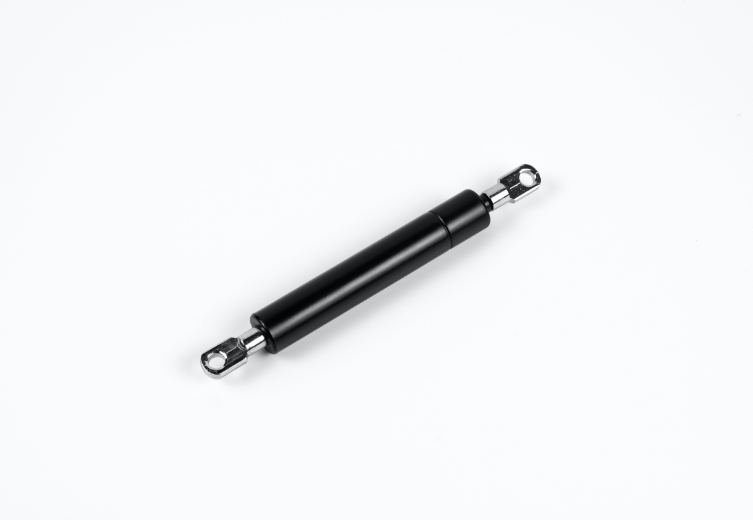
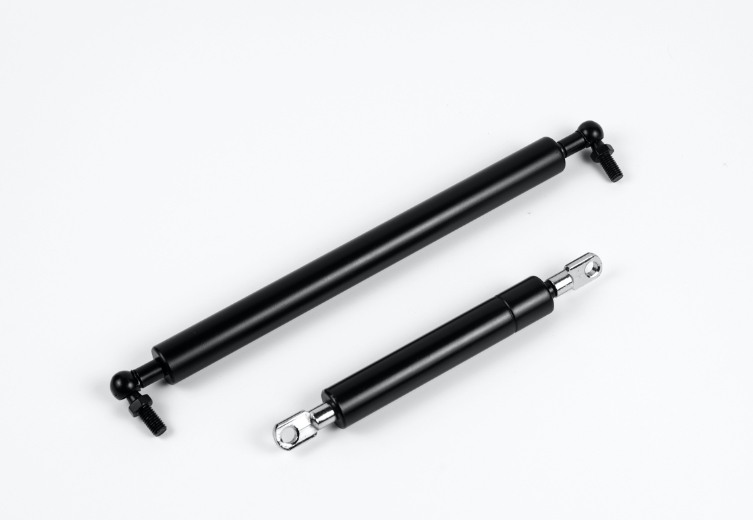
When ordering, ensure you specify the exact end-fitting geometry. CZ Juteng maintains an extensive library of standard and custom end fittings, guaranteeing a perfect, non-binding fit without the need for field modifications.
Proactive Life Extension Strategies for Fleets
Implementing a Fleet-Wide Protocol
Don't just replace; implement a fleet-wide protocol to double the service life of these components. During every scheduled maintenance, institute a 10-second rule: wipe the extended rod of every gas strut with a dry, clean cloth. This simple action removes abrasive dust and grime before they can be drawn into the seal. Never use grease—it attracts and traps dirt, creating a grinding paste.
Environmental Challenge | Recommended Solution |
|---|---|
Rail: Undercarriage hatches | Spec struts with an external stainless steel spring shroud over the rod |
Mining/Forestry: Thick mud | Use struts with heavy-duty, multi-lip scraper seals in the gland |
Predictive, Not Reactive, Replacement
Based on your fleet's average operating hours, establish a proactive replacement interval before the failure rate spikes. For a high-cycling part like a driver's seat strut in a commuter train, this might be every 3-4 years. The cost of planned replacement is negligible compared to an operator injury claim or service disruption from a last-minute failure. A competent supplier can help you build this model. With the cycle-test data and rated service life documentation provided by CZ Juteng, you can replace a guess with an engineered maintenance schedule.
Tip: Add a mounting point integrity check to your preventative maintenance checklist. Inspect ball studs for wear and brackets for fatigue cracks. A loose mounting point doubles the dynamic load on the strut.
A Safety and Cost Imperative
A gas strut is a life-cycle component, not just a part to be replaced when it fails. By transitioning from a reactive "it's broken, fix it" approach to a proactive, diagnostic-driven strategy, fleet managers enhance technician safety, reduce unexpected downtime, and gain a predictable maintenance budget. The key is to look past the failed strut itself and diagnose the system it operates within.
This systemic view must extend to the procurement process. Selecting a partner who offers application-specific engineering, certified and tested performance, and collaborative post-sale technical support transforms a commodity purchase into a strategic reliability decision. The correct replacement strut, engineered for the task, installed with the rod down, fitted to a straight, tight mounting, and protected by a clean rod, will deliver its full, rated service life.
To summarize, here is a quick checklist for maintaining safety and extending the life of your traction gas struts:
Diagnose systematically—isolate the strut and check mounting alignment before replacing.
Always install with rod down and use hand tools to avoid pre-installation damage.
Implement a "Clean Rod" policy and inspect mounting points during every scheduled maintenance.
Choose application-specific environmental protection, like multi-lip seals for mining or rod shrouds for rail.
Shift from reactive to predictive replacement using cycle-test data and rated service life documentation.
A proactive, diagnostic-driven strategy ensures a safer, more reliable, and cost-effective fleet operation.
FAQ
How can I tell if a traction gas strut needs to be replaced immediately?
If you see a wet, oily film on the chrome rod or hear an audible hiss upon actuation, the main seal has catastrophically failed. Tag out the equipment immediately—the strut is on the verge of sudden collapse and is a critical safety hazard.
Can I install a traction gas strut myself?
You can install it yourself if you follow the correct procedure. Always secure the load with a properly rated, lockable support stand first—never rely on a prop rod alone. Use hand tools, not an impact gun, and ensure the rod is oriented downwards to guarantee constant seal lubrication.
What is the most effective way to extend the service life of my fleet's gas struts?
Strategy | Frequency |
|---|---|
"Clean Rod" wipe-down | Every scheduled maintenance |
Mounting point integrity check | Every preventative maintenance cycle |
Predictive strut replacement | Every 3-4 years (high-cycle applications) |
Still have questions or need help with a specific failure mode? Don't hesitate to contact our team for expert advice, material traceability, and custom-engineered solutions tailored to your fleet's operating environment.