




Should you use lift easy gas struts for your furniture
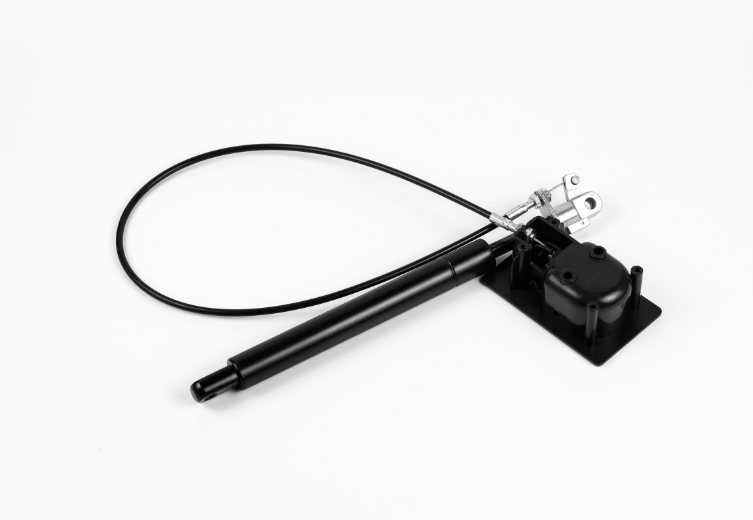
Thinking about upgrading your furniture or vehicle? Easy lift gas struts can make opening and closing heavy lids a breeze. You get smoother movement and safer operation, but you might notice a higher upfront cost compared to basic hinges. If you want convenience, ergonomic comfort, and industrial-grade durability, these struts are a smart engineering choice.
Ready to find out if easy lift gas struts fit your project needs? Let's dive into the technical details, pros, cons, and sizing guides.
Key Takeaways
Easy lift gas struts simplify opening and closing heavy furniture lids and vehicle hatches, reducing physical effort by up to 90%.
These struts enhance safety by providing end-position damping, preventing sudden closures and protecting users from pinch-point hazards.
Investing in quality gas struts from certified manufacturers like JUTENG extends the lifespan of your hardware, providing reliable support for 10,000 to 50,000 cycles.
Proper installation—specifically mounting with the piston rod facing down—and choosing the correct F1 force rating are crucial for optimal performance.
For lightweight panels, consider alternatives like standard friction hinges to save costs and simplify installation.
What are Easy Lift Gas Struts?
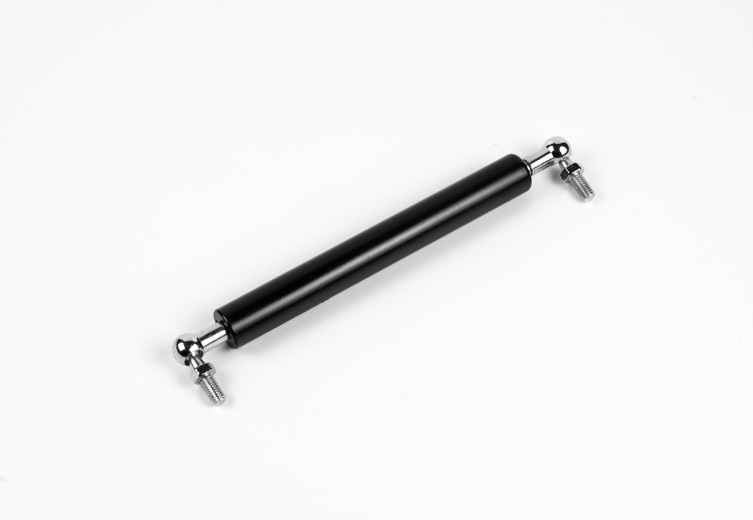
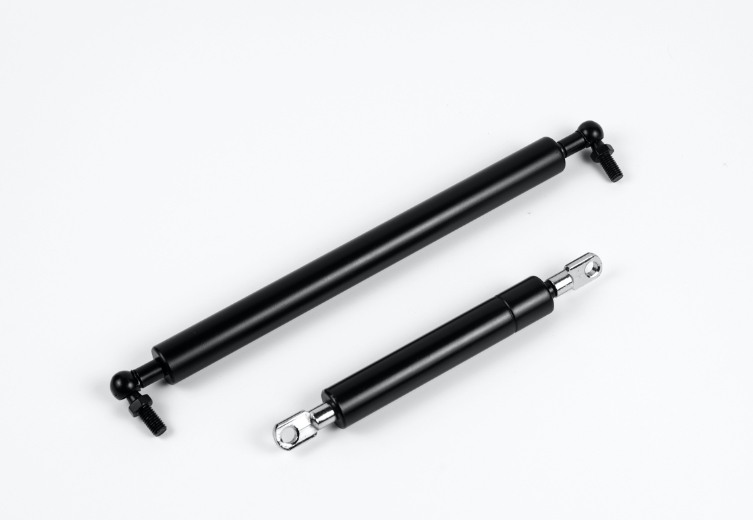
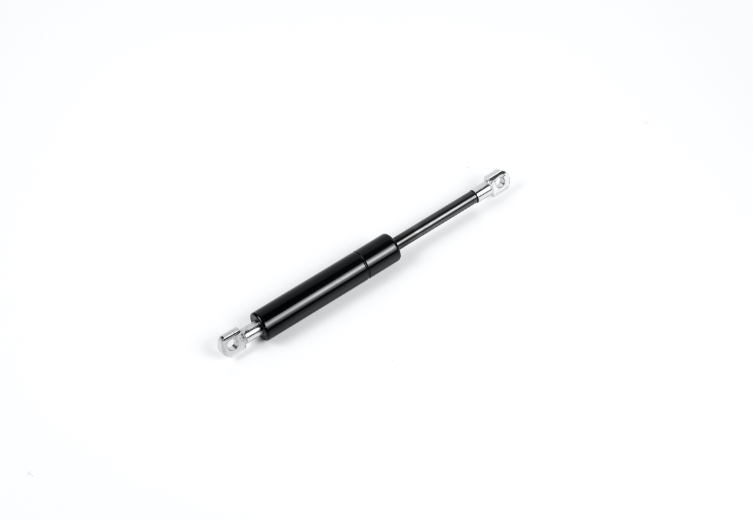
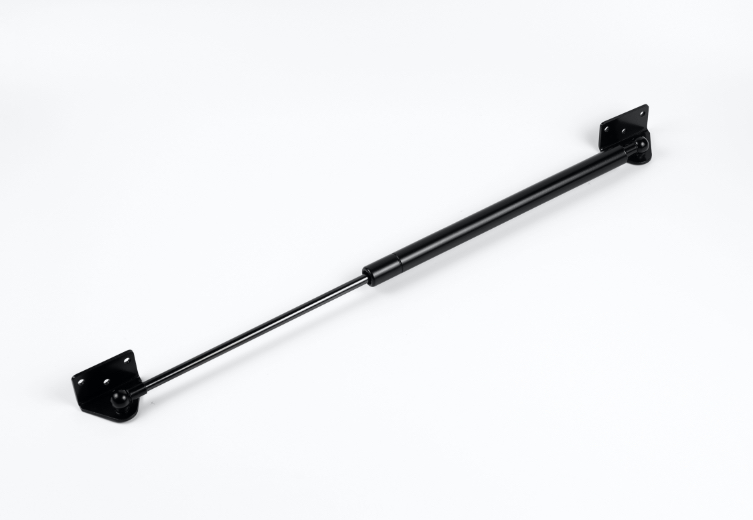
Easy lift gas struts are precision pneumatic devices that make lifting, lowering, and holding heavy panels effortless. JUTENG, a trusted manufacturer since 2009, produces high-quality gas struts that help you move heavy lids or vehicle hatches with minimal effort. These struts use compressed gas inside a sealed cylinder to create smooth motion and support.
How gas struts work (The Science of Lifting)
Gas struts operate on gas compression principles. Inside each JUTENG strut, there is a cylinder filled with pure, harmless Nitrogen and a special flame-retardant oil. The nitrogen provides the powerful lifting force (following the formula F = p x A), while the oil lubricates the internal seals and provides crucial end-position damping to prevent slamming. When you push on the piston, the gas compresses and stores energy. Once you release the pressure, the strut extends and supports the weight of the component.
Engineering Note: Unlike cheap alternatives that use mixed air, JUTENG uses pure Nitrogen because it does not burn, prevents internal oxidation, and ensures consistent pressure across a temperature range of -40°C to +80°C.
Common types of JUTENG gas struts
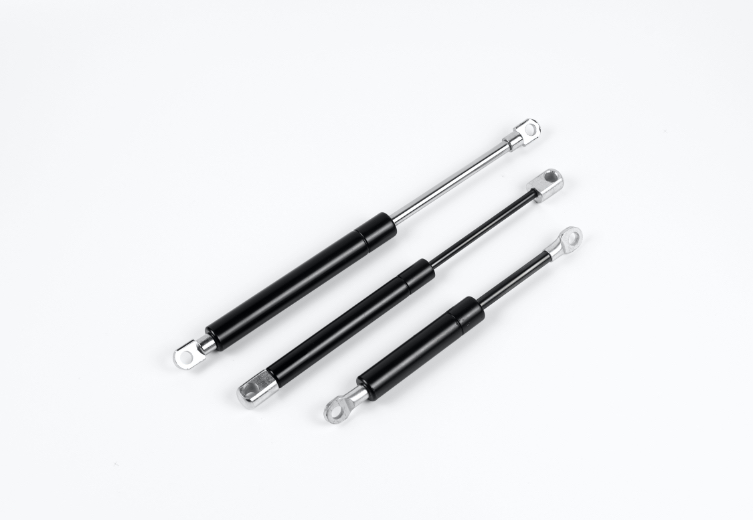
Gas struts come in several types, each suited for different mechanical needs. Here is a quick look at JUTENG's core product lines:
Type | Description | Applications |
|---|---|---|
Compressed Gas Springs | Store energy to provide extension force for lifting and holding. | Cabinet lids, storage beds, car hoods, and dustbins. |
Lockable Gas Springs | Can be locked in any position along the stroke for rigid support. | Medical beds, adjustable chairs, and RV hatches. |
Traction Gas Springs | Provide pulling force; operate in reverse to compression springs. | Drop-down desk panels, foldable mechanisms, and doors. |
Oil-Air Dampers | Control speed and absorb shock without providing lifting force. | Machine guards, soft-close furniture lids, and safety covers. |
Whether you need reliable support for a heavy storage bed or want smooth motion in a vehicle hatch, JUTENG offers a practical, customizable solution for almost any application.
Pros of Furniture and Automotive Gas Struts
Convenience and Ergonomic Ease
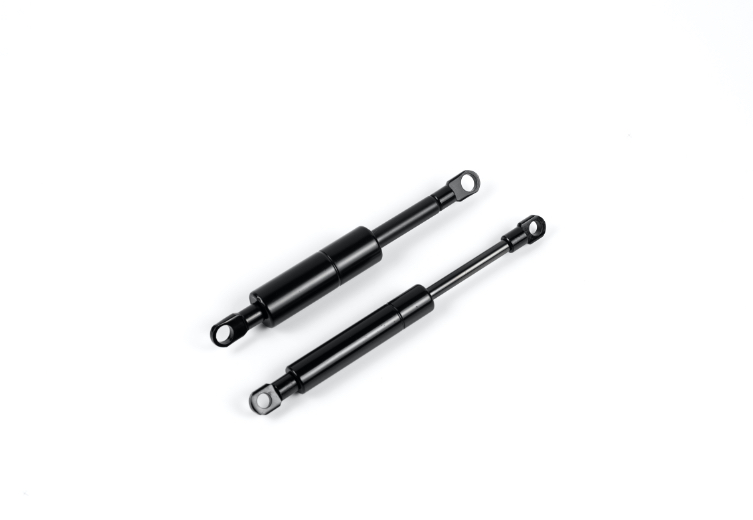
One of the key benefits of using furniture gas struts is how much easier they make daily life. With easy lift gas struts, you can open a heavy ottoman bed base or a large cabinet door with just one hand. The force needed to lift the furniture drops by as much as 70–90%. Juteng’s custom-made gas struts are designed to fit your specific dimensions perfectly, making every movement smooth and controlled.
Safety and Gentle Closure
Safety matters, especially in homes with kids or in industrial environments. Furniture gas struts add a layer of protection by controlling the motion of lids and panels.
Furniture gas spring systems provide crucial safety benefits by preventing sudden closures. The dampening effect built into quality JUTENG gas struts eliminates slamming that could cause injury or damage. Children using furniture with proper gas strut assistance face a significantly reduced risk of finger pinching.
Durability and Low Maintenance
Furniture gas struts are built to last. Quality gas struts from JUTENG can handle over 50,000 cycles, which means they can work for 10 to 15 years with daily use. Because they are pre-lubricated for life with flame-retardant oil, they require virtually zero maintenance.
Cons and Installation Challenges
Initial Cost vs. Long-term Value
Adding easy lift gas struts to your furniture usually means a higher upfront cost compared to basic mechanical hinges. You pay for advanced pneumatic engineering, smoother motion, and extra safety. For B2B manufacturers and high-end furniture makers, this investment drastically reduces warranty claims and improves user satisfaction.
Installation and Alignment Challenges
Installing gas struts requires precise measurement. If you get the alignment wrong, the struts might bind or fail prematurely. Here are common installation challenges:
Challenge | Description & Solution |
|---|---|
Gas Strut Won't Compress Smoothly | Excessive resistance means the piston rod and cylinder are not lined up. Ensure mounting brackets allow for a slight pivot. |
Mounting Holes Don't Align | Double-check your center-to-center measurements. The wrong model or bracket position can cause side-loading on the rod. |
Uneven Lifting | Buying just one strut for a wide lid can cause twisting. Always use two struts placed symmetrically. |
Pro-Tip for Installers: Always install gas struts with the piston rod facing down. This ensures the internal oil constantly lubricates the seal and reduces nitrogen permeation, maximizing the 10,000 to 50,000 cycle lifespan.
Compatibility and Strength Selection (F1 Force)
Choosing the right struts for your furniture is critical. When selecting easy lift gas struts, engineers look at the F1 force.
What is F1 Force? According to JUTENG standards, F1 force is the designed force measured at 20°C with the piston rod extended to 5mm. This precise measurement ensures your furniture lid gets the exact support it needs.
The weight of your cabinet door or lid matters. Remember that only 30-60% of the rated force is usable for lifting due to installation geometry and hinge leverage.
If you’re unsure, start with a lower strength. Stronger struts can make closing the lid difficult.
When to Avoid Furniture Gas Struts
Alternatives for Lightweight Panels
Sometimes, gas struts are not the best fit. For lightweight furniture (like small jewelry boxes or thin cabinet doors), a basic hinge or friction stay often works better and costs less.
Standard hinges: Great for small, lightweight lids.
Friction hinges: These hold a lid or door in place at any angle without the need for gas pressure.
Easy lift gas struts can make your furniture safer, easier to use, and vastly more durable. Common mistakes include picking the wrong F1 force, marking screw points incorrectly, or installing the rod facing up. Take your time, check compatibility, and keep the piston rod clean from dust particles (≥5 μm) for best results.
For Manufacturers and B2B Buyers: If you are designing a new line of furniture, medical equipment, or automotive accessories, JUTENG offers comprehensive OEM/ODM services. With an annual production capacity of 1.5 million units, we can customize easy lift gas struts with specific F1 forces (from 5N to 3000N), stroke lengths, and corrosion-resistant materials (like Stainless Steel or QPQ nitrided rods) to match your exact engineering requirements. Contact our engineering team today for a free CAD design consultation.
FAQ: Easy Lift Gas Struts
Are easy lift gas struts maintenance-free?
Yes. JUTENG gas springs are pre-lubricated for life with flame-retardant oil and require no regular maintenance. However, you must keep the piston rod clean from dust and debris to prevent seal abrasion and ensure the 10,000–50,000 cycle lifespan. Never apply external grease or oil to the rod.
Can a gas strut be repaired if it loses pressure?
No. Gas springs are sealed via plastic deformation of the external pipes during production. It is impossible to open them to replace individual components without destroying the cylinder. If a strut fails or leaks, it must be replaced as a single unit.
How does temperature affect the lifting force?
Temperature directly affects the internal nitrogen pressure. JUTENG gas springs operate safely between -40°C and +80°C. Extreme cold reduces the lifting force, while extreme heat increases internal pressure. For outdoor furniture or marine applications, stainless steel or specialized coatings are recommended.
What is the difference between compression and traction gas struts?
Compression gas springs push outward to lift heavy lids (like storage beds or car hoods). Traction gas springs pull inward, making them ideal for self-closing hatches, drop-down desk panels, or keeping doors securely shut.