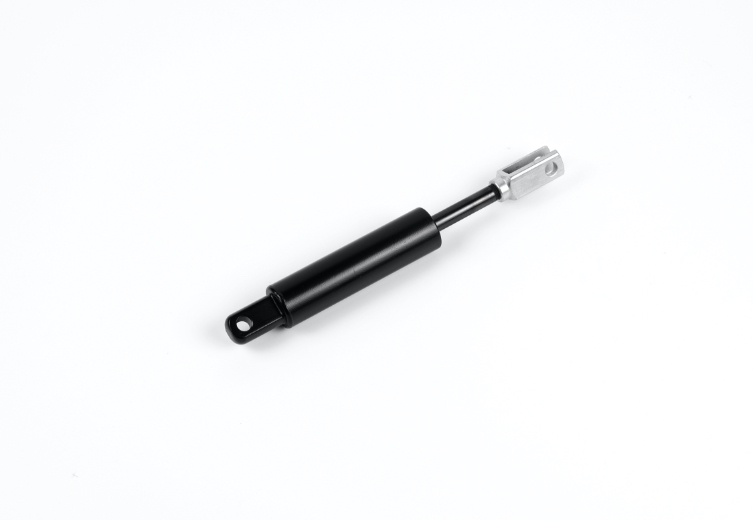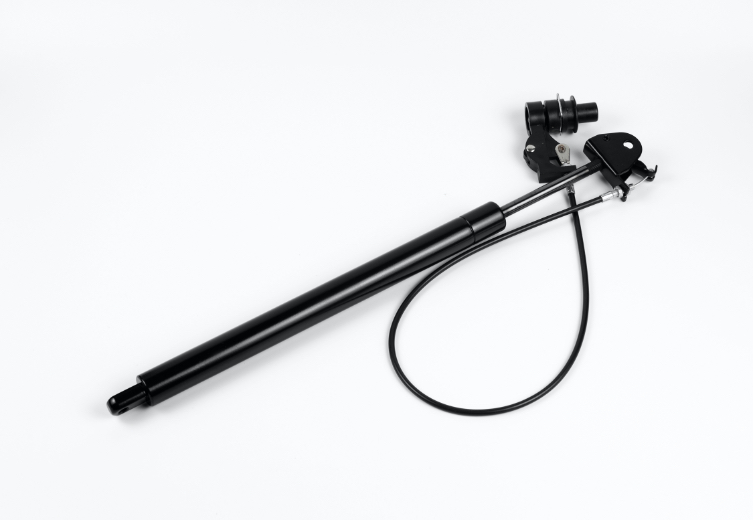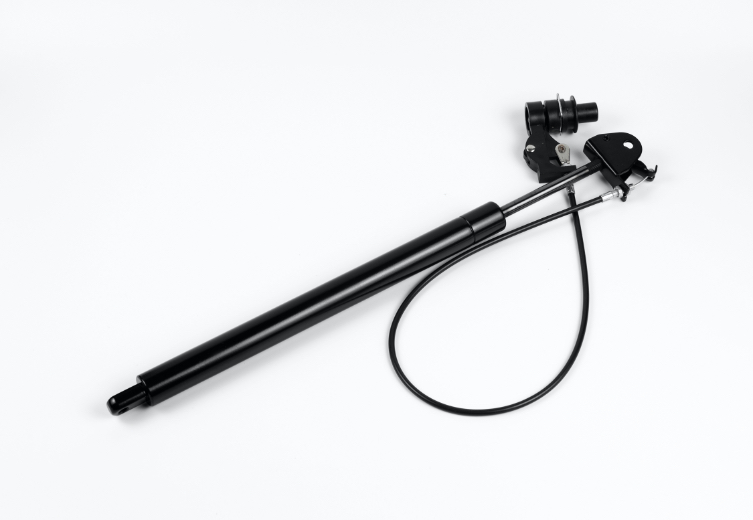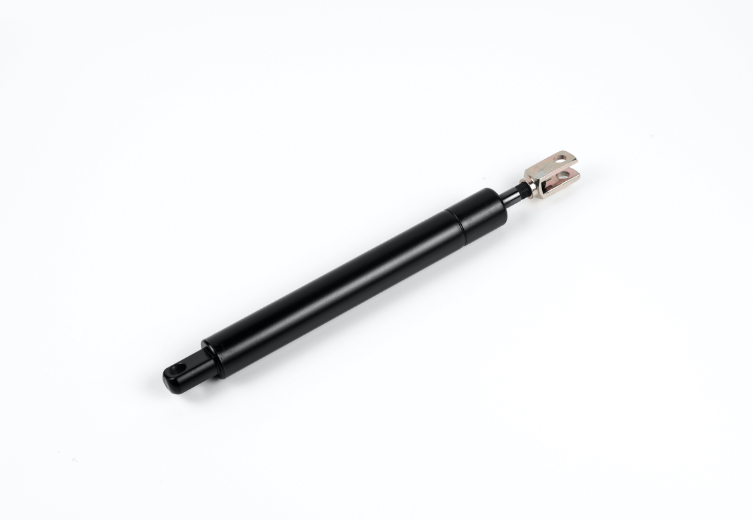





Need a lockable gas spring? Avoid these common mistakes
Ever picked the wrong Lockable gas spring and experienced unstable positioning or premature failure? Many engineers and buyers overlook critical factors like load calculation, environmental ratings, or locking mechanisms. Here’s a professional tip: always calculate the exact force requirement, verify IP ratings for your environment, and consult with manufacturer engineers. You’ll save time, ensure safety, and avoid costly redesigns.
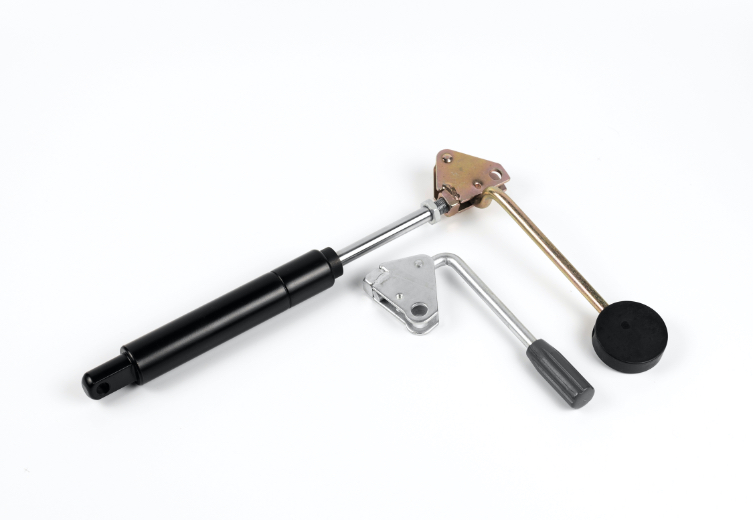
Application Matters
Assessing Your Needs
Before selecting a lockable gas spring, you must define the exact operational requirements of your project. Whether it is for medical equipment, office furniture, automotive hoods, or industrial machinery, each application demands specific force and locking characteristics. Skipping this step often leads to mismatched components that fail to hold loads securely.
Tip: Write down your core parameters: the weight of the moving part, the desired opening angle, and the operating environment. This helps our engineering team recommend the exact specification.
Ask yourself these technical questions:
What is the total weight the gas spring needs to support?
What is the required opening angle and cycle frequency?
Do you need position locking (holding at any angle) or end-position locking?
Will it operate in extreme temperatures or corrosive environments?
Matching Use Case
Match your technical requirements to the right locking mechanism. For instance, medical beds and office chairs require smooth positional locking to hold heavy loads at any angle. Explore our full range of adjustable locking gas struts to find the perfect match for your assembly.
Look at your project and compare it to common industrial uses:
Application | Key Feature Needed |
|---|---|
Medical equipment & Beds | Position locking, smooth adjustable force (50N-2000N) |
Automotive hoods & Trunks | High force capacity, vibration-resistant secure hold |
Office chairs & Recliners | Ergonomic control, compact space-saving design |
Industrial machinery | IP54/IP67 protection, heavy-duty durability |
Choosing the right lockable gas spring for your use case makes your project safer and more reliable. Take your time and match the product specifications to your exact needs.
Lockable Gas Spring Specifications
Force & Stroke Length
Your lockable gas spring must deliver precise force and stroke. Start by calculating the required extension force. JUTENG offers adjustable force options ranging from 50N to 2000N. Selecting a model with insufficient force will fail to lift the load, while excessive force makes operation difficult and dangerous.
Stroke length determines the extension distance. Measure the space accurately to ensure the spring provides the exact range of motion your design requires.
Tip: Use our free computer-aided design service. Provide your lid weight, pivot distances, and opening angle, and our engineers will calculate the perfect stroke and force for you.
Locking Mechanism Types
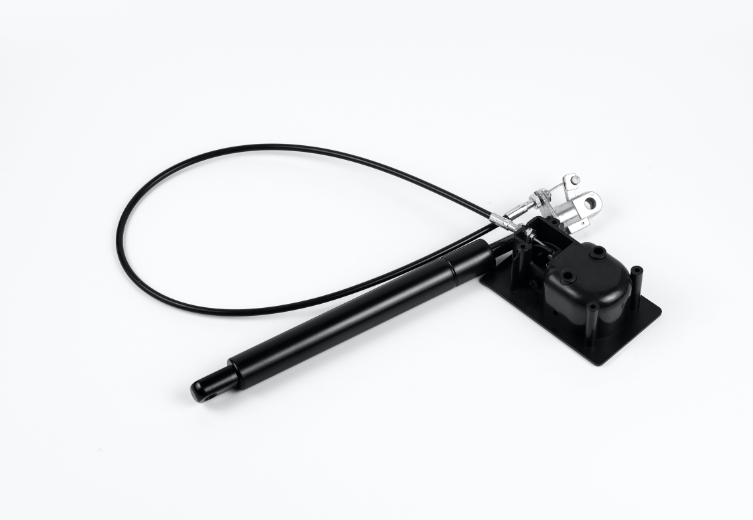
Locking mechanisms vary based on application needs. Position Locking allows the spring to hold firmly at any point along its stroke, ideal for adjustable medical or office equipment. Friction Locking provides resistance but allows manual adjustment, which is suitable for lightweight lids and covers.
Lock Type | Best For |
|---|---|
Position Locking (Rigid) | Medical beds, office chairs, heavy industrial hatches |
Friction Locking (Flexible) | Lightweight lids, covers, adjustable displays |
Size & Environmental Factors
Physical dimensions and environmental resistance are critical. Ensure the compressed length and mounting centers fit your hardware. More importantly, consider the operating environment. JUTENG’s lockable gas springs feature leak-proof designs with IP54/IP67 ratings, capable of withstanding harsh conditions and temperatures ranging from -30°C to 80°C. Stainless steel tubes are highly recommended for outdoor or marine applications.
Note: Always verify the IP rating and material specifications against your environmental conditions to prevent premature corrosion or seal failure.
Quality & Certification
Avoiding Low-Quality Products
Opting for the cheapest lockable gas spring is a critical engineering mistake. Low-quality products often suffer from seal leaks, inconsistent gas pressure, and weak locking mechanisms that fail under load. This leads to sudden drops, safety hazards, and frequent maintenance. Always source from certified manufacturers with proven track records.
Tip: If a quote seems too good to be true, it usually compromises on seal quality and internal gas purity. Reliable springs use high-grade steel and precision sealing to ensure a long lifespan.
Here’s what can happen with low-quality springs:
Sudden seal failure and gas leakage
Unreliable locking under heavy loads
Jerky or inconsistent movement
Drastically reduced lifecycle (cycle count)
Checking Standards
Verify that your lockable gas spring meets international quality standards. Certified products undergo rigorous testing for force tolerance, cycle life, and salt spray resistance. JUTENG’s products are manufactured under an ISO-certified international quality management system, ensuring every spring meets strict safety and durability benchmarks.
Use this checklist before you buy:
What to Check | Why It Matters |
|---|---|
ISO 9001 Certification | Guarantees consistent manufacturing quality |
IP54/IP67 Rating | Ensures dust and water resistance for harsh environments |
Material Grade (e.g., Steel) | Dictates corrosion resistance and structural strength |
Ask the manufacturer for test reports or certificates. If you can’t find proof, keep looking. You deserve a product that keeps your assembly safe and works reliably.
Compatibility & Installation
Hardware Fit
Your lockable gas spring must integrate seamlessly with your existing assembly. Before ordering, verify the mounting centers, ball joint sizes, and clearance space. Mismatched end fittings can cause misalignment, leading to side-loading and premature rod bending.
Tip: Grab a caliper to measure the exact distance between mounting points in both extended and compressed states. Compare these dimensions with the manufacturer’s technical drawings.
Here’s a quick checklist to help you:
Measure the exact distance between mounting centers.
Check the thread size or ball joint diameter.
Ensure the compressed length fits within your available space.
Confirm the mounting orientation (rod up vs. rod down) if applicable.
Mounting & End Fittings
Selecting the correct end fittings is crucial for smooth operation. Different applications require specific connectors to allow for angular misalignment or fixed mounting.
End Fitting Type | Best Use Case |
|---|---|
Ball Joint (Clevis) | Swivel applications, prevents side-loading |
Eyelet (U-shape) | Fixed pivot mounting, simple hinges |
Bracket / Fork | Adjustable setups, complex linkages |
When you install the gas spring, follow these steps:
Align the gas spring perfectly with your mounting points to avoid side loads.
Attach the end fittings securely using the correct hardware.
Test the movement and locking function through the full cycle.
Tighten all fasteners and apply threadlocker if subject to vibration.
Note: If you are unsure about the mounting geometry, contact JUTENG’s engineering team. We provide free design support to ensure perfect integration.
Safety & Ergonomics
Safety Features
Safety is paramount when dealing with pressurized gas springs. Look for models with robust locking mechanisms that prevent unintended movement under heavy loads. High-quality springs also feature overload protection and corrosion-resistant coatings to maintain structural integrity in tough environments.
Here’s a quick list of safety features to look for:
Secure position locking mechanism
Overload and burst protection
IP54/IP67 leak-proof sealing
Smooth, jerk-free operation
Tip: Always test the locking function and force retention before finalizing the assembly. Ensure it holds the load firmly and releases smoothly without sudden drops.
User Comfort
Ergonomics significantly impact user experience. A poorly calibrated spring will feel stiff or operate with sudden jolts. Choose a lockable gas spring with finely tuned internal damping for smooth, controlled motion.
Check this table for comfort features:
Feature | Why It Matters |
|---|---|
Precision Force Tuning | Ensures easy, strain-free adjustment |
Internal Damping | Prevents sudden jolts at the end of the stroke |
Quiet Operation | Reduces noise in medical or office environments |
You get a safer and more comfortable experience when you pick the right features. Your project feels easier to use, and you avoid injuries or frustration. Always think about safety and comfort before you specify a product.
Expert Advice
Consulting Professionals
Selecting the right lockable gas spring involves complex physics, including torque calculations and center-of-gravity analysis. That’s normal! To save your engineering time, our professional engineering team offers free computer-aided gas spring design services. We can calculate the exact force, stroke, and mounting position for your application.
Tip: If you are unsure about force ratings or mounting geometry, email our technical team. We will guide you through the selection process based on your application details.
Here’s when you should ask for expert advice:
You have a complex linkage or unique pivot geometry.
You need to calculate the exact force for a heavy lid or panel.
Your application involves extreme temperatures or corrosive environments.
You want to optimize the spring for a specific cycle life.
Manufacturer Support
At JUTENG, we provide comprehensive support from initial design to after-sales service. You can reach our technical team via email, WhatsApp, or phone for real-time assistance. We work closely with you to ensure the perfect fit for your project.
Support Option | How We Help You |
|---|---|
Free CAD Design Service | Calculate exact force, stroke, and mounting points |
Request for Quote | Fast pricing for standard and custom sizes |
Technical Consultation | Solve complex engineering and installation issues |
Don’t hesitate to ask for help. Contact JUTENG today via email (gasspring@czjuteng.com) or WhatsApp (0086-18616235963, Contact: Judy Lee). We will guide you through the process and recommend the best product for your needs.
Avoid common engineering mistakes by rigorously checking your application requirements, force calculations, and environmental compatibility. Here’s a quick checklist:
Calculate exact project needs and force requirements
Match specs (50N-2000N) and stroke length
Confirm IP ratings and ISO certifications
Check hardware compatibility and end fittings
Utilize free expert design services if unsure
Careful selection and professional calculation keep your project safe, reliable, and efficient!
FAQ
How do I calculate the right force for my lockable gas spring?
You need to consider the weight of the moving part, the pivot distances, and the opening angle. JUTENG offers a free computer-aided design service—simply email us your application details, and our engineers will calculate the exact force (within our 50N-2000N range) for you.
Can I install a lockable gas spring myself?
Yes, you can install it yourself if you follow the technical drawings and use the correct tools. Ensure the mounting points are perfectly aligned to prevent side-loading, which can damage the piston rod.
What maintenance does a lockable gas spring need?
Task | Frequency |
|---|---|
Clean the piston rod | Monthly (use non-corrosive cleaners) |
Inspect locking mechanism | Every 6 months |
Check for seal leaks or corrosion | Annually |