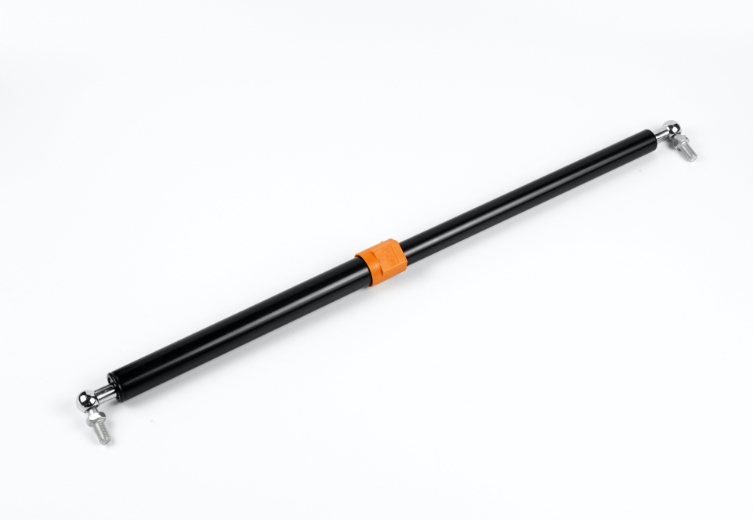





Single or Dual Gas Strut Setups Which Is Right for Your Application
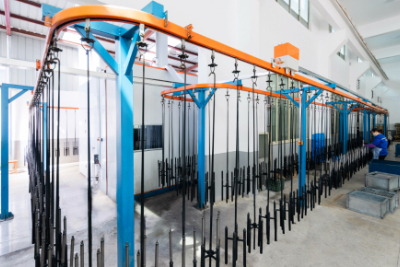
Single gas strut setups suit lightweight and straightforward applications. Dual setups provide better performance for heavier, larger, or high-use covers and hatches. Users should consider factors like load, level of control, installation steps, and overall cost before making a choice. Gas strut force plays a crucial role in ensuring proper operation and safety. Juteng offers a broad selection of customizable gas springs to match both single and dual setup needs. Find the right solution for your project with reliable support.
Key Takeaways
Single gas strut setups are ideal for lightweight applications, offering simple installation and cost savings.
Dual gas strut setups provide better performance for heavy loads or frequently used panels, ensuring stability and even force distribution.
Consider the weight and size of your application when choosing between single and dual setups to ensure proper support.
Evaluate how often the panel will be used; dual setups are best for high-frequency applications to reduce wear on hinges.
Select the right gas strut force to ensure smooth and safe operation, preventing sudden drops or damage.
JUTENG gas springs are virtually maintenance-free; simply keep the piston rod clean from dirt and debris to extend service life.
Customization options from Juteng allow you to tailor gas struts (from 5N to 3000N) to your specific needs, enhancing performance and safety.
Investing in quality gas struts can lead to lower long-term costs by minimizing repairs and ensuring reliable operation.
Single Gas Strut Setup
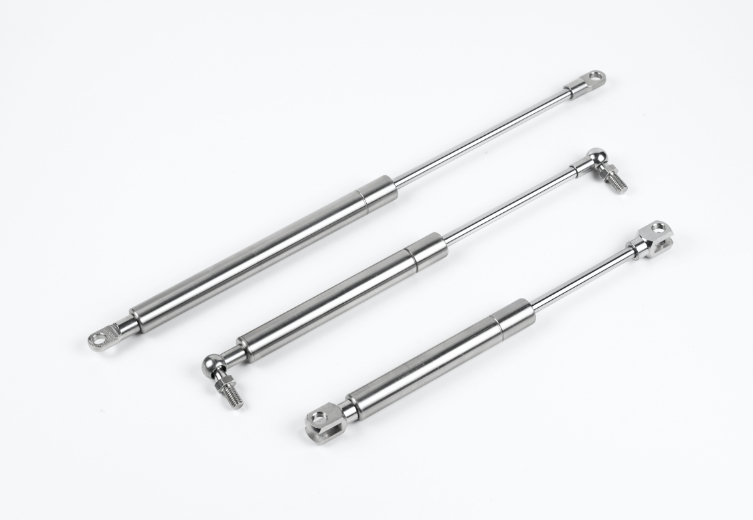
A single gas strut setup is a practical solution for many lightweight and straightforward applications. This configuration uses one gas spring to provide lift, support, or controlled movement for a panel, lid, or door. Juteng’s compressed gas springs are well-suited for these uses, offering reliable performance in a compact design.
Key Advantages
Simple Installation
Many users choose a single gas strut setup because of its straightforward installation process. With only one mounting point on each side, the setup requires fewer parts and less time to install. This makes it ideal for projects where speed and simplicity are important. Most single damper applications can be completed with basic tools and minimal adjustments.
Cost Savings
A single gas strut setup is often more affordable than dual configurations. Fewer components mean lower material costs and reduced labor expenses. For projects with tight budgets, this setup provides an effective way to achieve smooth operation without unnecessary spending.
Main Limitations
Limited Load Support
A single gas strut can only support a certain amount of weight. If the panel or lid is too heavy, the strut may not provide enough force to hold it open or move it smoothly. In some cases, insufficient force can cause panels to drop or sag, requiring two hands to keep them open. Excessive force, on the other hand, may damage hinges or prevent proper closure. Real-world factors such as friction, seal drag, and uneven weight distribution can also affect performance.
Potential for Uneven Lift
When only one gas strut is used, there is a risk of uneven lifting, especially if the load is not balanced. This can lead to twisting or stress on the mounting brackets. Proper matching of extended length, compressed length, stroke, and end fittings is crucial for smooth operation. Incorrect strut length may prevent full opening or cause stress on the hardware.
Tip: Always consider real-world variables like body flex and wind load when selecting a gas strut for your application.
Best Use Cases
Lightweight Covers
Single gas strut setups are commonly found in applications where the load is light and the movement required is gentle. Examples include automotive hood supports, trunk lid systems, and tailgates, typically rated between 100N and 400N for controlled lifting. These setups provide a reliable shock absorption effect, ensuring safety and ease of use.
Small Cabinets
In furniture, single gas struts are used for cabinet doors, adjustable seating, and storage furniture. They help users open and close doors smoothly and safely. Industrial equipment such as access panels and electronic housings also benefit from single gas strut setups, which ensure smooth operation and protect sensitive components.
A single gas strut setup is a smart choice for lightweight, low-frequency applications. Juteng’s compressed gas springs offer customizable options to match your specific needs, making them a dependable solution for many projects.
Dual Gas Strut Setup
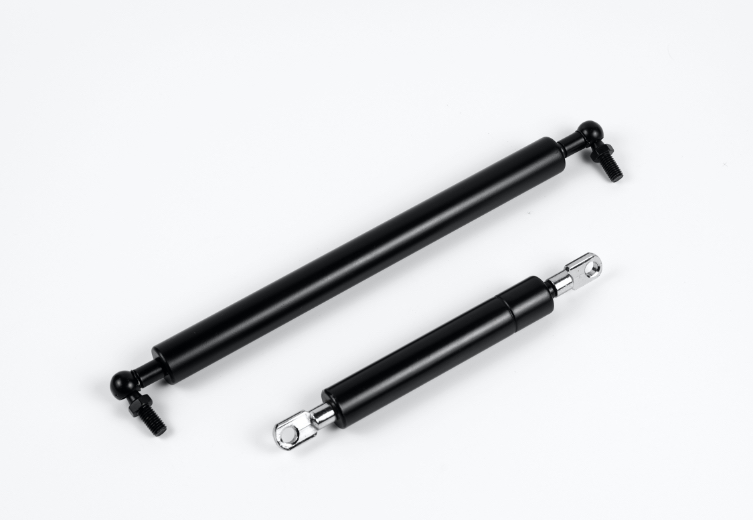
A dual gas strut setup uses two gas springs, one on each side of a lid, door, or panel. This configuration is common in heavy-duty applications where stability and smooth operation are important. Juteng’s gas springs are designed to handle these demanding tasks with precision and reliability.
Core Benefits
Even Force Distribution
Dual gas strut setups distribute the load evenly across both mounting points.
This reduces torsional stress on each gas spring and the connected hardware.
The result is a balanced motion when opening or closing heavy lids or doors.
When both sides share the load, the dual setup can operate at its best. This configuration helps prevent twisting or bending, which can occur if only one side supports the weight. Even force distribution also means less wear on each component, leading to a longer service life.
Enhanced Stability
Dual setups provide greater stability for large or heavy panels.
The operation feels smoother because both sides move together in perfect alignment.
This precise movement reduces the risk of sudden drops or uneven lifting.
Enhanced stability is especially important for applications that require frequent use or must support valuable equipment. The dual configuration ensures that the motion remains consistent, even under heavy loads or repeated cycles.
Drawbacks
Higher Cost
A dual gas strut setup usually costs more than a single setup. Two gas springs, extra mounting hardware, and more installation time add to the overall expense. However, the investment pays off in terms of safety, durability, and a smoother operation for heavy-duty applications.
More Complex Mounting
Installing two gas springs requires careful alignment. Both sides must match in length, force, and mounting position. This process can take more time and may need precise measurements. Juteng offers support and guidance to help users achieve the best results with their dual strut installations.
Ideal Applications
Heavy Lids
Dual gas strut setups are ideal for heavy lids found on toolboxes, machinery covers, and industrial equipment. These setups provide the strength and balance needed for a safe and controlled operation every time the lid opens or closes.
Large Doors
Large doors, such as those on storage cabinets, access panels, or vehicle compartments, benefit from dual gas strut setups. The dual setup ensures that both sides move together, preventing misalignment and warping over time. This approach protects the door structure and maintains smooth motion throughout the product’s life.
Tip: For any application where weight, size, or frequency of use is high, consider a dual gas strut setup for maximum performance and safety.
Gas Strut Force and Performance
Understanding Gas Strut Force
Gas strut force is the amount of pressure a gas spring applies to lift, support, or control a lid, door, or panel. Selecting the correct gas strut force is essential for safe and reliable operation. If the force is too low, the cover may drop suddenly. If the force is too high, the lid may open too quickly or damage the mounting hardware.
How Force Affects Operation
The right gas strut force ensures smooth and controlled movement. It protects users and equipment from sudden falls or slams. Proper force selection also reduces wear and tear, which helps extend the life of the hardware. Here are some key effects:
Controlled movement prevents accidents and injuries.
Adequate support keeps the lid or panel stable during use.
Reduced stress on hinges and brackets increases durability.
Smooth operation improves user experience.
Note: Always match the gas strut force to the weight and size of your application for optimal safety.
Choosing the Right Force Value
Calculating the correct gas strut force involves several factors. The weight of the cover, the distance from the hinge to the center of gravity, and the angle of operation all play a role. Engineers use formulas to determine the ideal force value:
Gas Spring Force Calculation:
F_gas = (W × d_cog × cos(θ)) / (L × sin(α))Moment Balance Equation:
ΣM_hinge = 0
F_gas × L × sin(α) = W × d_cog × cos(θ)Vector Decomposition Method:
Decompose the weight and force into perpendicular vectors.
Moment = force × distance.
For example, if a lid weighs 100 N, the lever arm is 0.5 m, and the angle is 45°, the required gas strut force is close to 170 N. At JUTENG, we calibrate the exact F1 force (the nominal force measured at 20°C and 5mm extension) to match your calculation. Our manufacturing capabilities cover a precise force range from 5N to 3000N, ensuring perfect customization for both single and dual setups.
Single vs Dual Force Distribution
Gas strut force distribution changes depending on whether you use a single or dual setup. Each configuration handles loads differently and affects the longevity of the equipment.
Load Handling Differences
A single gas strut must provide all the force needed to lift and support the cover. This setup works well for lightweight applications. In dual setups, the force is split between two gas springs. Each spring shares the load, which reduces stress on the mounting points and hardware.
Single setups require higher gas strut force per spring.
Dual setups allow for lower force per spring, improving balance.
Even force distribution prevents twisting and misalignment.
Tip: For heavy or large covers, dual gas strut setups offer better load handling and stability.
Impact on Longevity
The way gas strut force is distributed affects the lifespan of the equipment. When force is balanced across two springs, components experience less wear. This leads to longer service life and fewer maintenance needs.
Balanced force reduces wear on hinges and brackets.
Even distribution prevents warping and misalignment.
Proper force selection extends the performance of the gas springs.
Juteng’s gas springs are designed for durability and reliability. Customizable installation methods and force values help users achieve the best results for both single and dual setups.
Callout: Choosing the right gas strut force and setup is key to maximizing safety, efficiency, and longevity in any application.
Installation and Control
Mounting Considerations
Single Side vs Both Sides
Single gas strut setups require mounting on only one side of the lid or panel. This approach simplifies the installation process. Users need to secure the gas spring between the frame and the moving part. Most projects can be completed with basic tools. The single-side method works best for lightweight covers and small doors.
Dual gas strut setups require mounting on both sides. Each gas spring must be installed in a mirrored position. This method provides better balance and stability for heavy or large panels. The process takes more time and attention to detail. Both gas springs must match in length, force, and mounting angle. This ensures even movement and prevents twisting.
Tip: For heavy or wide panels, always consider a dual setup. It reduces stress on hinges and extends the life of your equipment.
Alignment and Orientation Tips
Proper alignment is critical for smooth operation and long-term reliability. Misaligned gas struts can cause binding, uneven lifting, or even damage to the mounting points. Here are some crucial installation tips:
Rod-Down Orientation: Always install gas struts with the piston rod facing down. This ensures the internal seal is continuously lubricated by the oil inside the cylinder, reducing friction and preventing nitrogen permeation.
Measure the mounting points carefully before installation.
Use a level to check that both sides are even (for dual setups).
Mark the positions with a pencil before drilling holes.
Tighten all fasteners securely, but avoid over-tightening to prevent binding.
A well-aligned setup ensures that the gas springs work together. This prevents unnecessary wear and keeps the motion smooth.
Control and Precision
Smooth Operation
Gas struts provide controlled movement for lids, doors, and panels. Single setups offer basic control for light loads. Dual setups deliver smoother and more balanced motion for heavy or large covers. The choice depends on the weight and size of the application.
Juteng’s gas springs use advanced engineering to ensure consistent performance. The pressure tube and piston rod design allow for precise adjustment. This means users can open and close panels with minimal effort.
Note: Smooth operation improves safety and user experience. It also protects equipment from sudden impacts.
Safety Features
Safety is a key factor in gas strut selection. Juteng offers lockable gas springs and dampers for enhanced control. Lockable gas springs allow users to secure the lid or panel in any position. This feature is useful for adjustable beds, office chairs, and medical equipment. Dampers slow down the movement, preventing slamming and reducing the risk of injury.
Lockable gas springs provide added security.
Dampers ensure gentle and controlled closing.
Both features increase the safety of high-use applications.
Juteng’s products combine durability with advanced safety features. Customization options let users select the right combination for their needs.
Callout: For applications where safety and control are critical, choose gas springs with lockable or damping features.
Cost and Maintenance
Budget Factors
Initial Investment
When selecting between single and dual gas strut setups, cost is often a primary concern. Gas spring systems, whether single or dual, generally require a higher initial investment compared to traditional mechanical alternatives. This is due to the advanced engineering and materials involved in gas spring manufacturing. On average, gas spring systems cost about 20–35% more than mechanical spring solutions. The price difference becomes more noticeable in dual setups, as two gas struts and additional mounting hardware are needed.
Single gas strut setups usually have the lowest upfront cost.
Dual gas strut setups require double the springs and hardware, increasing the initial expense.
Both options are more expensive than basic mechanical springs, but they offer enhanced performance and control.
Juteng’s gas springs are designed for reliability and precision, which helps justify the higher initial investment. The added value comes from smoother operation, better safety, and a more refined user experience.
Long-Term Value
While the initial cost of gas spring systems is higher, the long-term value can outweigh the upfront expense. Gas struts provide consistent support and controlled movement, reducing the risk of damage to equipment. Over time, this can lead to fewer repairs and less downtime. Dual setups, in particular, help distribute force evenly, which can extend the lifespan of both the gas springs and the supported structure.
Tip: Investing in quality gas springs from Juteng can lead to lower total ownership costs by minimizing the need for frequent repairs and replacements.
Maintenance Needs
Wear and Tear
All gas strut systems experience wear over time, though JUTENG gas springs are engineered to last between 10,000 and 50,000 cycles. Single setups may show signs of wear sooner if used near their maximum rated load. Dual setups, by sharing the load, often experience less individual stress, which can slow the rate of wear.
Maintenance-Free Design: JUTENG gas springs are pre-lubricated for life and sealed. You do not need to add oil or grease.
Keep it Clean: Simply keep the exposed piston rod clean from dirt, dust, and debris to protect the internal seals.
Check Hardware: Periodically inspect the external mounting brackets and hinges for tightness and fatigue.
Replacement Tips
Replacing gas struts is a straightforward process, but choosing the right replacement is important. Always match the force rating, length, and end fittings to the original specifications. For dual setups, replace both struts at the same time to maintain balanced operation. Juteng offers a wide range of customizable gas springs, making it easy to find the correct replacement for any application.
Note: Never attempt to open, puncture, or repair a gas spring yourself, as they contain high-pressure nitrogen. Always replace the entire unit.
Juteng’s commitment to quality assurance ensures that each gas spring delivers reliable performance and long service life. With proper care and timely replacement, both single and dual setups can provide years of dependable operation.
Application Scenarios
Automotive Uses
Hoods and Trunks
Automotive manufacturers rely on gas struts to improve safety and convenience. Single gas strut setups often support lighter vehicle components. Dual setups handle heavier or larger panels. Juteng’s gas springs fit both configurations, offering reliable performance for various vehicle designs.
Assisting in opening and holding hoods
Assisting in opening and holding trunks
Assisting in opening and holding tailgates
Supporting interior storage compartments and center consoles
Single gas struts make it easy to lift and hold hoods or trunks. They prevent sudden drops and reduce the risk of injury. Dual gas struts provide balanced support for larger tailgates or heavy-duty hoods. This setup ensures smooth movement and protects the vehicle’s structure.
Tip: Choose dual gas struts for larger panels to maintain alignment and prevent warping over time.
Furniture and Machinery
Cabinets and Equipment
Gas struts play a key role in furniture and machinery. Single setups work well for small cabinet doors and lightweight panels. They allow users to open and close doors with minimal effort. Dual setups are ideal for large equipment covers or industrial access panels. These configurations distribute force evenly and enhance stability.
Juteng’s compressed gas springs offer customizable force values. This flexibility helps designers match the gas strut to the weight and size of the furniture or machinery. Lockable gas springs add safety for adjustable seating or storage units. Dampers provide controlled movement for heavy doors, reducing noise and impact.
Note: Proper force selection improves user experience and extends the life of furniture and equipment.
Medical and Custom Solutions
Adjustable Beds
Medical equipment often requires precise control and safety. Adjustable beds use lockable gas struts to secure the bed in any position. This feature supports patient comfort and caregiver convenience. Dual gas strut setups provide stability for larger beds or medical carts. Smooth operation is essential in healthcare settings.
Specialized Equipment
Custom solutions demand advanced engineering and tailored specifications. Juteng’s gas springs meet these needs with systematic customization. Critical parameters include force, stroke, mounting dimensions, and environmental conditions. Prototyping helps identify unforeseen issues before full production. Customization pricing reflects material costs and complexity, especially for advanced features.
Customization Aspect | Description |
|---|---|
Minimum Order Quantities | Typically requires 500-1000 units for high-level customization. |
Systematic Customization | Complex applications may need multiple customizations for optimal performance. |
Essential Parameters | Force, stroke, mounting dimensions, and environmental conditions are critical for specification. |
Prototyping | Critical custom gas struts benefit from prototype validation to identify unforeseen issues. |
Cost Considerations | Customization pricing reflects material costs and complexity, with premiums for advanced features. |
Total Cost of Ownership | Custom gas struts can lower total ownership costs by optimizing performance and reducing modifications. |
Juteng’s industry versatility ensures that gas springs deliver optimal performance in automotive, furniture, machinery, and medical applications. Customizable options help users achieve the best results for both single and dual setups.
Decision Checklist
Choosing between a single or dual gas strut setup requires careful evaluation of your application’s needs. This checklist highlights the most important factors to consider before making a decision.
Key Factors
Weight and Size
The weight and size of the lid, door, or panel play a critical role in gas strut selection. Heavier or larger panels often need dual gas struts for balanced support and safe operation. Lightweight or compact covers usually work well with a single gas strut.
Single Setup: Best for panels under 10 kg or with a short width.
Dual Setup: Recommended for panels over 10 kg or with a wide span.
Tip: Measure the weight and dimensions accurately. This ensures the gas strut system matches the application.
Frequency of Use
How often the lid or panel will be opened and closed affects the choice. High-frequency use increases wear and demands more stability.
Single Setup: Suitable for occasional or light use, such as storage cabinets.
Dual Setup: Ideal for frequent or daily use, such as machinery covers or vehicle hoods.
A dual setup distributes the load, reducing stress and extending the lifespan of both the gas struts and the supported structure.
Desired Control
Control refers to how smoothly and safely the panel moves. Some applications require precise positioning or gentle closing.
Feature | Single Setup | Dual Setup |
|---|---|---|
Basic Lift | Adequate for light, narrow panels | Superior for heavy, wide panels |
Smooth, Even Motion | Good, but may cause slight torsion on wide lids | Excellent, prevents twisting and binding |
Lockable Position | (with lockable strut) | (with lockable struts) |
Damping for Safety | (with damper) | (with dampers) |
Single Setup: Provides basic lift and support.
Dual Setup: Offers enhanced control, especially for large or heavy panels.
Note: For applications needing precise control, consider Juteng’s lockable gas springs or dampers.
Budget
Budget impacts the final decision. Single setups cost less and require fewer parts. Dual setups involve higher initial investment but may reduce long-term maintenance costs.
Single Setup: Lower upfront cost, suitable for simple projects.
Dual Setup: Higher initial cost, better value for heavy-duty or high-use applications.
Callout: Investing in the right setup can prevent costly repairs and downtime.
Checklist Summary:
Assess the weight and size of your panel.
Consider how often the panel will be used.
Decide on the level of control and safety needed.
Review your budget and long-term goals.
Matching these factors to your application ensures you select the most effective gas strut setup. Juteng’s customizable solutions help you achieve the best performance, safety, and value for any project.
Choosing between single and dual gas strut setups depends on your application’s weight, size, and usage.
Single struts must be stronger, which can cause twisting or slanting on wide panels.
Dual struts distribute force evenly, protecting the cover and hardware.
Matching force, dimensions, and installation ensures smooth, safe operation. Undersizing or oversizing force can lead to poor performance. Juteng’s customizable gas springs offer tailored force output and long service life.
Feature | Customizable Gas Springs | Standard Gas Springs |
|---|---|---|
Tailored Force Output | Yes (5N to 3000N) | No |
Lifespan (cycles) | 10,000–50,000 | Varies |
For expert advice, consult Juteng’s support team for the best fit and a free kinematic analysis.
FAQ
What is the main difference between single and dual gas strut setups?
Single setups use one gas strut for lighter loads. Dual setups use two gas struts for heavier or larger panels. Dual setups provide better balance and stability.
How do I choose the right gas strut force for my application?
Calculate the weight of your panel and measure the distance from the hinge. Juteng offers support and calculators to help you select the correct F1 force value for safe operation.
Can I install gas struts by myself?
Most users can install gas struts with basic tools. Follow the instructions carefully. Remember to always install them with the piston rod facing down to ensure proper seal lubrication.
When should I use lockable gas springs?
Use lockable gas springs when you need to hold a panel in any position. These are ideal for adjustable beds, office chairs, and medical equipment.
Do JUTENG gas struts require regular maintenance?
No. JUTENG gas springs are pre-lubricated for life and sealed. They are virtually maintenance-free. Simply keep the piston rod clean from dirt and debris, and periodically check the external mounting brackets for tightness.
Does Juteng offer custom gas springs for unique projects?
Yes! Juteng provides customizable gas springs ranging from 5N to 3000N. You can specify force, length, end fittings, and special features to match your project’s needs.
What are the benefits of using dampers with gas struts?
Dampers slow down the movement of panels. They prevent slamming and reduce noise. This feature increases safety and protects equipment.
Can I replace only one gas strut in a dual setup?
For best results, replace both gas struts at the same time. This keeps force and movement balanced, preventing uneven wear or misalignment.