


What to Look for in a Gas Struts Supplier: A B2B Buyer’s Guide

You must choose a premium supplier when searching the gas struts market. The right supplier will shape your business operations, product quality, and long-term success. A premium supplier stands out with deep technical expertise, a wide product range, and dedicated customer support. For example, Juteng brings 15 years of manufacturing experience, 1.5 million units of annual capacity, and strict internal lifespan testing to every order. You can rely on suppliers who offer full OEM/ODM support, custom logos, and advanced solutions for extreme temperatures. Smart buyers consider both present needs and future growth when making decisions.
Key Takeaways
Choose a supplier with proven experience and strong production capacity. Look for at least 15 years in the industry and an annual output of 1.5 million units.
Prioritize quality by verifying certifications like ISO 9001. Request documentation on quality control processes to ensure reliable products.
Seek suppliers who offer customization options. Tailored solutions for specific applications enhance product performance and longevity.
Evaluate logistics and delivery performance. Reliable suppliers provide accurate lead times and effective inventory management to avoid project delays.
Establish clear communication about pricing and payment terms. Transparent pricing helps you compare offers and avoid unexpected costs.
Gas Struts Market Overview
The gas struts market continues to grow as industries demand more advanced motion control solutions. You see gas struts in automotive, machinery, furniture, and medical equipment. Choosing the right supplier shapes your ability to meet customer needs and stay ahead of competitors. Understanding the current state of the gas struts market helps you make informed decisions for your business.
Industry Trends
You notice several trends shaping the gas struts market today:
The global gas struts market will reach about USD 3.09 billion by 2025.
Experts predict a steady growth rate of 5.20% CAGR from 2026 to 2032.
By 2032, the market could approach USD 4.41 billion.
Automotive manufacturers use more gas struts to improve vehicle convenience and safety.
Rapid industrialization in countries like China and India increases demand for gas struts in machinery.
Many companies now focus on sustainability, developing eco-friendly gas struts to attract environmentally conscious buyers.
The aerospace and defense sectors create new opportunities for gas struts as these industries expand.
These trends show that the gas struts market is dynamic and full of potential for growth.
Supplier Landscape
You face a competitive supplier landscape in the gas struts market. North America holds about 40% of the market share, with major players like ACE Controls and Guden leading the way. Other key suppliers include Gemini Gas Springs, Ameritool, AVM Industries, Bansbach easylift, Camloc Motion Control, and several others. The market features intense competition and constant innovation.
When you evaluate suppliers, look for proven experience and strong production capabilities. For example, Juteng stands out with 15 years of manufacturing experience, an annual capacity of 1.5 million units, and strict internal lifespan testing from 10,000 to 50,000 double strokes. Juteng also offers full OEM/ODM support, custom logos, and the ability to customize damping and special gas struts for extreme temperatures from -40°C to +80°C. These qualities help you secure a reliable partner in the gas struts market.
Product Quality and Range

Quality Standards
You must prioritize quality when selecting gas struts for your business. Reliable suppliers invest in uncompromising quality control at every stage of production. You should ask about certifications, such as ISO 9001, and request details on internal testing procedures. For example, Juteng conducts strict internal lifespan testing from 10,000 to 50,000 double strokes. This process ensures product quality and reliability for every order.
Juteng’s commitment to quality stands out in the industry. The company uses advanced CAD systems for design and simulation. You benefit from products that meet or exceed international standards. Juteng’s manufacturing process includes material inspection, assembly checks, and final performance testing. These steps guarantee consistent quality for all gas struts.
Tip: Always request documentation of quality assurance processes and certifications before making a purchase decision.
Product Variety
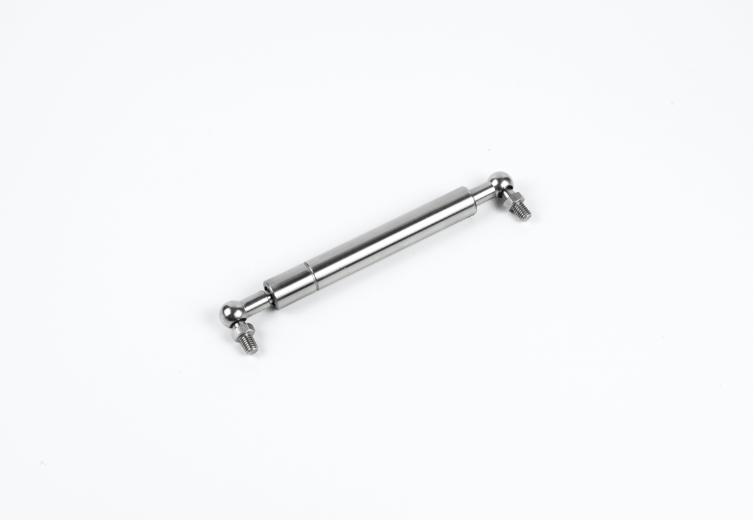
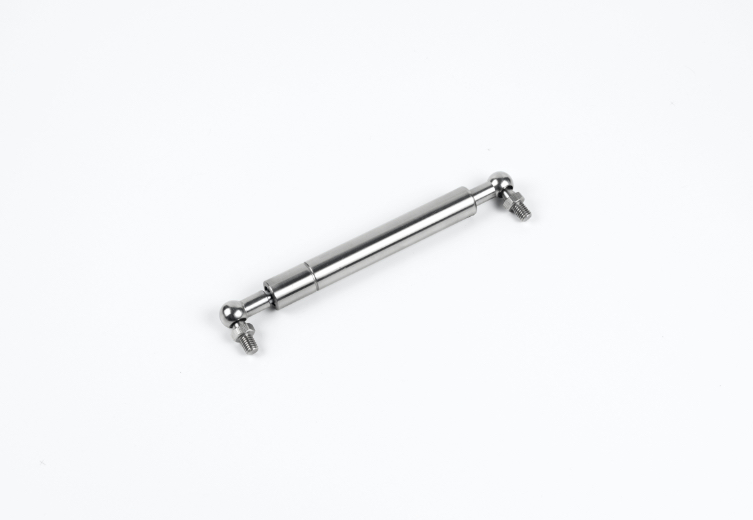
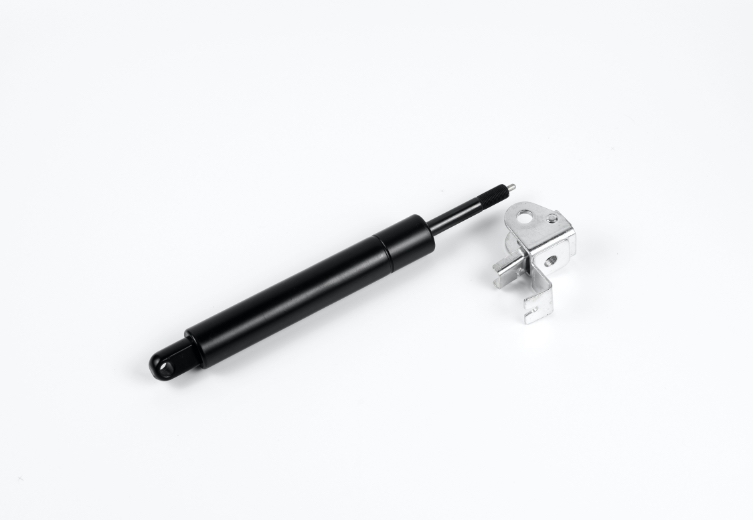
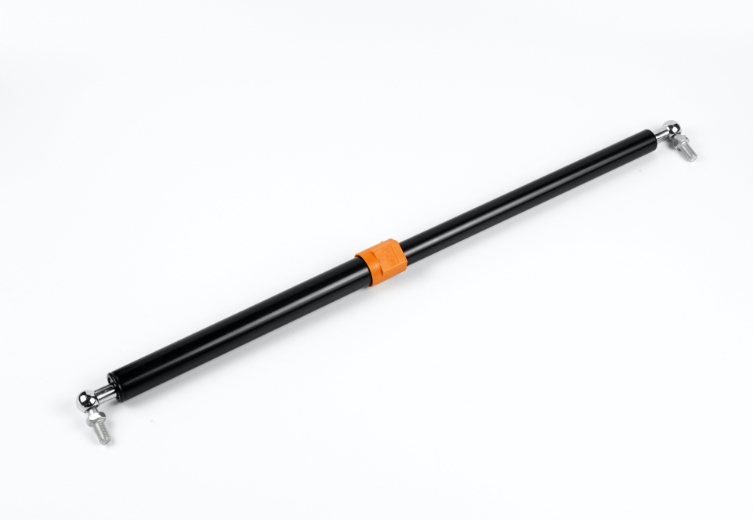
You need a supplier with an extensive product portfolio to meet diverse application requirements. Juteng offers a wide range of gas struts, including compressed gas springs, lockable gas springs, dampers, and traction gas springs. This variety allows you to choose the right solution for automotive, furniture, machinery, or medical equipment projects.
Juteng’s 15 years of manufacturing experience and 1.5 million annual production capacity give you confidence in their ability to fulfill large and custom orders. You can request full OEM/ODM support, custom logos, and even special gas struts with innovative corrosion resistance for harsh environments. Juteng also provides customization for damping and force values, as well as solutions for extreme temperatures from -40°C to +80°C.
When you partner with a supplier like Juteng, you secure access to high-quality products and technical expertise. This approach supports your business growth and ensures long-term satisfaction.
Customization and Technical Support
Custom Solutions
You need gas struts that fit your unique application needs. Every project has different requirements for size, mounting, and required force. Reliable suppliers must offer custom solutions that match your specifications. Juteng stands out with full OEM and ODM support. You can request custom logos, special mounting options, and even gas struts designed for extreme temperatures from -40°C to +80°C. This flexibility ensures your products perform well in any environment.
Juteng’s team works closely with you to understand your application. You receive expert guidance on selecting the right gas struts for your machinery, automotive, furniture, or medical equipment. The company’s 15 years of manufacturing experience and 1.5 million annual production capacity mean you can trust them to deliver both standard and custom orders on time. Strict internal lifespan testing, from 10,000 to 50,000 double strokes, guarantees consistent performance for every application.
Tip: Always discuss your application details with your supplier. Customization leads to better performance and longer product life.
Technical Expertise
You should evaluate the technical expertise of your gas struts supplier. A strong supplier demonstrates deep knowledge in engineering and production. Juteng uses advanced CAD systems for design and simulation. Their engineers help you solve complex application challenges and optimize performance.
Here are key qualifications you should look for in suppliers:
Criteria | Description |
|---|---|
Technical Capability | Handles various force requirements, stroke lengths, and mounting setups. |
Production Capacity | Large manufacturing area and skilled staff for big projects. |
Industry Standards | Follows international standards like ISO 9001. |
Quality Management Systems | Proven systems for quality assurance. |
Engineering Support | Offers help throughout the application process. |
Verification Methods | Provides samples and allows factory audits. |
Historical Performance | Shows strong delivery rates and positive customer reviews. |
You benefit from Juteng’s expertise at every stage. Their technical support ensures your gas struts match your application and deliver reliable performance. You gain a partner who supports your business growth with expert guidance and engineering excellence.
Reliability and Certifications
Industry Certifications
You must verify certifications and compliance when selecting gas struts suppliers. Certifications like ISO 9001 and IATF 16949 show a commitment to quality and industry standards. You should request documentation of material traceability and in-process inspections. These steps help you confirm reliability and ensure your products meet strict requirements.
Juteng demonstrates reliability through ISO 9001 certification and rigorous internal lifespan testing from 10,000 to 50,000 double strokes. The company offers full OEM/ODM support, custom logos, and the ability to customize damping and gas springs for extreme temperatures from -40°C to +80°C. You gain confidence knowing your supplier follows international standards and delivers consistent quality.
Tip: Always ask for certification documents and quality control process details before placing an order.
Track Record
You need to assess the supplier track record and reputation before making a decision. Reliable suppliers show strong operational performance, clear communication, and successful project history. You can use the following table to evaluate key indicators of reliability:
Key Indicator | Description |
|---|---|
Technical Specifications | Confirm the supplier meets force capacities, stroke lengths, operating temperatures, and lifespan expectations. |
Certification | Prioritize suppliers holding ISO 9001 and automotive-specific standards like IATF 16949. |
Quality Control Processes | Request material traceability documentation and evidence of rigorous in-process inspections. |
Operational Reliability | Assess production lead times and inquire about minimum order quantities (MOQs). |
Communication Responsiveness | Evaluate their responsiveness during the quoting process as an indicator of customer service. |
References or Case Studies | Seek evidence of successful projects similar to your application. |
Juteng stands out with 15 years of manufacturing experience and 1.5 million annual production capacity. The company’s strict testing and engineering support ensure reliability for every order. You benefit from a supplier that delivers consistent results and supports your business growth.
Note: Reliable suppliers provide references and case studies to demonstrate their performance in similar applications.
Logistics and Lead Times
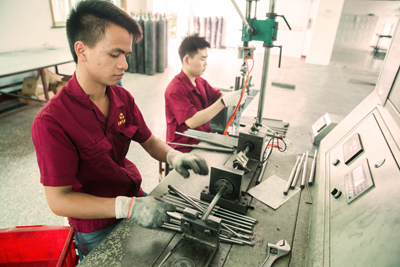
You must pay close attention to logistics and lead times when choosing a gas struts supplier. These factors directly affect your project timelines and your ability to deliver products on schedule. If your supplier cannot provide reliable lead time estimates, your entire production process may face delays. Robust logistics ensure that you receive the right components when you need them, supporting smooth operations and customer satisfaction.
Inventory Management
Effective inventory management supports timely delivery and helps you avoid costly line-down situations. You need a supplier who utilizes real-time inventory tracking, demand forecasting, and safety stock management. These practices help maintain a steady supply of gas struts and prevent stockouts. Real-time tracking gives you visibility into current stock levels, while demand forecasting helps you plan for future production runs. Safety stock management ensures you have extra units available during unexpected demand spikes.
Practice | Description |
|---|---|
Real-time inventory tracking | Enables continuous monitoring of stock levels, ensuring timely replenishment of raw materials and finished goods. |
Demand forecasting | Predicts your seasonal or project-based needs, allowing for proactive production scheduling. |
Safety stock management | Maintains buffer inventory to prevent stockouts during sudden demand spikes or shipping delays. |
Juteng sets a high standard in inventory management. With 1.5 million units of annual production capacity and strict internal lifespan testing, you can trust their ability to deliver consistent quality and quantity. Their advanced ERP systems support accurate inventory visibility, which helps you plan your projects with confidence.
Delivery Performance
Delivery performance plays a key role in your project’s success. You need a supplier who can provide transparent lead times and deliver on schedule. High production capacity, like Juteng’s 1.5 million units per year, ensures that your orders are fulfilled reliably. Consistent delivery schedules help you coordinate with other suppliers and keep your assembly lines running.
Understanding typical lead times is vital for project planning.
Synchronized component delivery supports your production timelines.
Extended lead times can compromise your project deadlines and increase storage costs.
Juteng’s 15 years of manufacturing experience, full OEM/ODM support, and ability to customize gas struts for extreme temperatures make them a reliable partner. Their technical support and advanced logistics systems ensure accuracy in every shipment. You benefit from predictable delivery schedules, which helps you meet your own deadlines and maintain customer trust.
Tip: Always ask your supplier for detailed information about their logistics processes and delivery performance. Transparent tracking of these factors will help you avoid costly delays and keep your projects running smoothly.
Pricing and Commercial Terms Guide
Transparent Pricing
You need clear and transparent pricing when evaluating gas struts suppliers. Transparent pricing helps you compare offers and avoid hidden costs. Reliable suppliers provide detailed quotations that break down unit prices, tooling fees, shipping costs, and any customization charges. Juteng, with 15 years of manufacturing experience and a 1.5 million annual production capacity, offers straightforward pricing for both standard and custom orders. You can request quotes for OEM/ODM projects, including custom logos and special features like damping or gas springs for extreme temperatures from -40°C to +80°C.
Tip: Always ask for a complete price list and clarification on what is included in the quote. Request information about volume discounts and how pricing may change for repeat or long-term orders.
Consider asking these questions:
What factors influence your pricing structure?
Are there additional fees for customizations or expedited production?
How do you handle price adjustments for large or recurring orders?
Payment Terms
Understanding payment terms is essential for managing your cash flow and building trust with your supplier. Leading suppliers typically offer flexible payment options to accommodate different business needs. Juteng follows industry standards for payment terms, ensuring security and convenience for B2B buyers.
Here is a summary of common payment methods:
Payment Method | Details |
|---|---|
Telegraphic Transfer (T/T) | Deposit: 30% required to confirm the order and purchase raw materials. |
Balance: 70% required before shipment (or against the Copy of Bill of Lading for established partners with 3+ successful orders). | |
Letter of Credit (L/C) | Accepted for orders exceeding $50,000 USD. Must be Irrevocable and At Sight. |
You should confirm whether the supplier can offer flexible terms as your partnership grows. Reliable suppliers may adjust payment schedules for trusted clients or large projects. Always clarify payment deadlines and documentation requirements before placing an order.
Note: Clear payment terms and transparent pricing protect your business and support long-term partnerships.
After-Sales Service and Partnership
Strong after-sales service builds trust and supports your business for the long term. You need a supplier who stands behind their products and helps you solve problems quickly. Reliable after-sales support, clear warranty policies, and responsive communication set the foundation for a lasting partnership.
Warranty and Returns
Warranty coverage protects your investment and gives you peace of mind. While many trading companies offer limited or unclear warranties, direct manufacturers like Juteng stand behind their products with rigorous testing and long-term commitments. Juteng provides a 5-year warranty commitment for gas springs, backed by strict internal lifespan testing.
Product Category | Juteng's Lifespan Testing Standard | Warranty & Performance Guarantee |
|---|---|---|
Standard Compressed Gas Springs | 10,000 to 50,000 double strokes | Up to 5-year warranty commitment; minimal force loss guaranteed. |
Lockable & Damped Gas Springs | Customized damping & rigid locking tests | 5-year warranty; strict seal leakage prevention. |
Extreme Environment Struts | Temperature cycle testing (-40°C to +80°C) | Guaranteed stable pressure and damping in harsh conditions. |
Juteng matches industry-leading standards by offering clear warranty terms and a straightforward returns process. Because all Juteng gas springs are sealed with plastic deformation during production, they are maintenance-free and highly resistant to gas permeation. Their team helps you handle replacements efficiently if you ever face an issue.
Tip: Always request written warranty and return policies from your supplier before finalizing your purchase.
Ongoing Support
Ongoing support keeps your operations running smoothly after the sale. You need a partner who responds quickly to questions, provides technical guidance, and helps you adapt to changing needs. Juteng stands out with:
15 years of manufacturing experience since 2009
1.5 million units annual production capacity
Full OEM/ODM support, including custom logos and special mounting options
Customization for damping and gas springs built for extreme temperatures (-40°C to +80°C)
Dedicated engineering and customer service teams
You benefit from a supplier who values long-term relationships and supports your business growth. Juteng’s commitment to after-sales service ensures you always have expert help when you need it.
B2B Buyer’s Guide: Supplier Evaluation Steps
Selecting the right industrial parts suppliers is a critical process for every b2b buyer. You need a clear guide to help you evaluate industrial parts suppliers and make confident decisions. This b2b buyer’s guide provides step-by-step guidance so you can assess, compare, and choose the best supplier for your business.
Key Questions for Suppliers
When you evaluate industrial parts suppliers, you should ask targeted questions to uncover their strengths and potential risks. These questions help you verify claims, understand capabilities, and ensure alignment with your requirements.
Are you a direct manufacturer, and what is your annual production capacity?
How many years of experience do you have in manufacturing gas struts?
What certifications do your products hold (such as ISO 9001 or IATF 16949)?
Can you provide technical data sheets and proof of compliance for your gas struts?
What quality control processes do you use, and can you share recent audit reports?
Do you offer OEM/ODM support, including custom logos and special mounting options?
How do you handle custom orders for force values, damping, or extreme temperature applications?
What is your typical lead time for standard and custom orders?
Can you provide references or case studies from similar b2b projects?
What warranty and after-sales support do you offer?
How do you manage inventory and ensure on-time delivery?
What are your payment terms and trade assurance options?
Tip: Always request samples before placing a large order. Samples help you validate product quality and ensure the supplier meets your specifications.
Supplier Assessment Checklist
A structured checklist streamlines your evaluation process and helps you compare industrial parts suppliers objectively. Use this checklist as a practical guide for your b2b procurement team:
Step | Action Item | Why It Matters |
|---|---|---|
1 | Identify direct manufacturers with proven scale (e.g., 1.5 million units/year) | Direct manufacturers offer better customization, stricter quality control, and more competitive pricing than trading companies. |
2 | Confirm years of experience (e.g., 15+ years since 2009) | Experience signals reliability and deep industry knowledge. |
3 | Verify certifications (ISO 9001, IATF 16949) | Certifications prove commitment to quality and compliance. |
4 | Request technical data sheets and compliance documents | Documentation ensures products meet your technical needs. |
5 | Review quality metrics and request samples | Samples and audit reports validate product consistency. |
6 | Define your product specifications and customization needs | Clear specs help suppliers deliver the right solution. |
7 | Evaluate OEM/ODM support and custom options | Customization ensures fit for your unique applications. |
8 | Assess inventory management and delivery performance | Strong logistics prevent costly delays. |
9 | Compare commercial terms, pricing, and payment options | Transparent terms protect your procurement process. |
10 | Check warranty coverage and after-sales support | Good support minimizes downtime and risk. |
11 | Conduct supplier site visits or audits | On-site visits reveal real capabilities and processes. |
12 | Gather references and review customer feedback | Positive feedback confirms supplier reliability. |
Site visits give you firsthand insight into a supplier’s operations. You can see if they meet your material and service requirements. Regular visits also improve communication and help address any performance gaps.
Always demand proof of certification and technical data sheets. These documents confirm that the supplier’s products meet safety and regulatory standards.
Look for suppliers who offer commercial-grade products, strong warranties, and responsive support. This approach reduces risk and supports long-term partnerships.
Guidance: Use this checklist as your guide for how to make the right supplier decision. Reliable industrial parts suppliers, like Juteng, demonstrate 15 years of experience, 1.5 million annual production capacity, strict internal lifespan testing, and full OEM/ODM support. They also provide custom solutions for extreme temperatures and maintain high standards in every aspect of their business.
By following this guide, you empower your b2b procurement team to evaluate industrial parts suppliers with confidence. You ensure that your supplier selection process supports your business goals and long-term success.
You should choose a gas struts supplier with proven experience, strong production capacity, and strict quality testing. A reliable partner like Juteng offers 15 years of expertise, 1.5 million units annual output, and full OEM/ODM support. Building a strategic partnership brings you consistent quality, cost advantages, and dependable support. When you compare suppliers, focus on stable specifications, material quality, and delivery timing. Use a checklist, visit supplier sites, and reach out to trusted companies like Juteng to secure your long-term success.
FAQ
What makes a gas struts supplier reliable?
You should look for 15 years of manufacturing experience, 1.5 million annual production capacity, strict internal lifespan testing, full OEM/ODM support, and the ability to customize gas springs for extreme temperatures. These criteria ensure consistent quality and dependable service.
Can I request custom gas struts for unique applications?
You can request custom gas struts. Reliable suppliers like Juteng offer full OEM/ODM support, custom logos, and special mounting options. You get solutions tailored for specific force values, damping, and extreme temperature requirements.
How does strict internal lifespan testing benefit my business?
Strict internal lifespan testing, ranging from 10,000 to 50,000 double strokes, ensures each gas strut meets durability standards. You gain confidence in product reliability and reduce the risk of unexpected failures in your applications.
What industries use gas struts from Juteng?
You find Juteng gas struts in automotive, furniture, machinery, and medical equipment. Their wide product range and customization options support diverse industry needs and specialized projects.
How quickly can I receive my order?
You benefit from Juteng’s 1.5 million annual production capacity. This scale supports fast lead times and reliable delivery. You can plan your projects with confidence and minimize downtime.