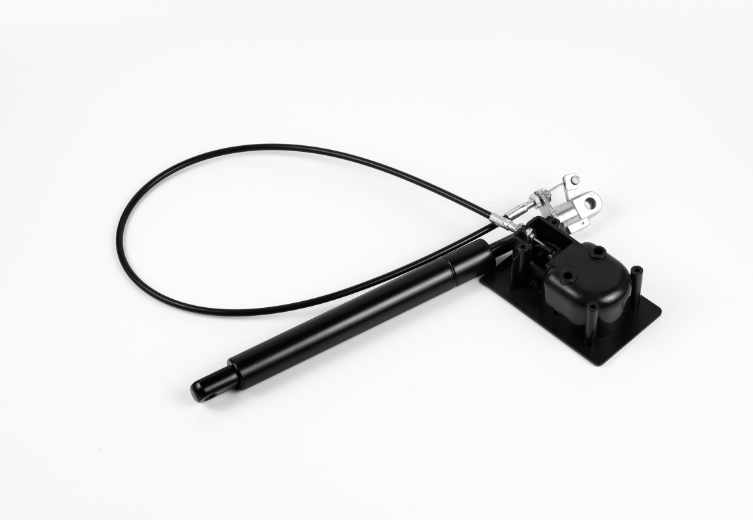





How do adjustable gas springs work?
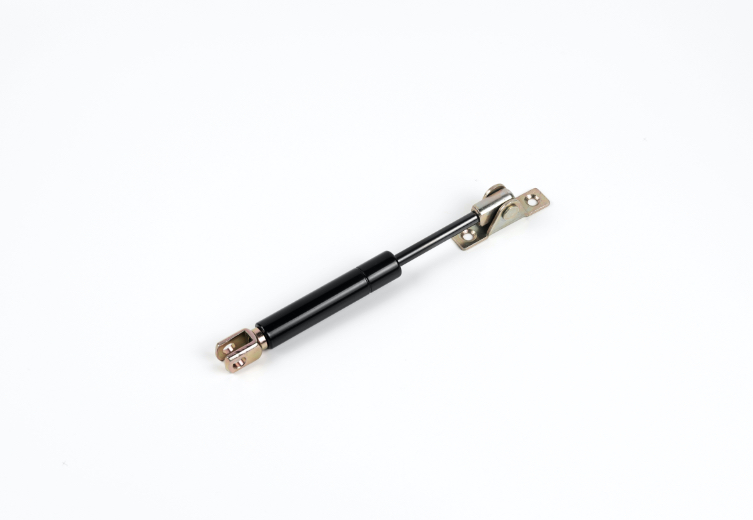
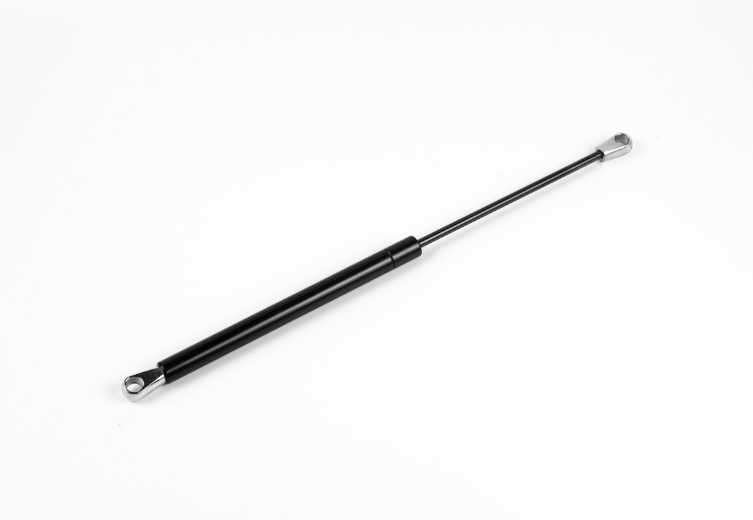
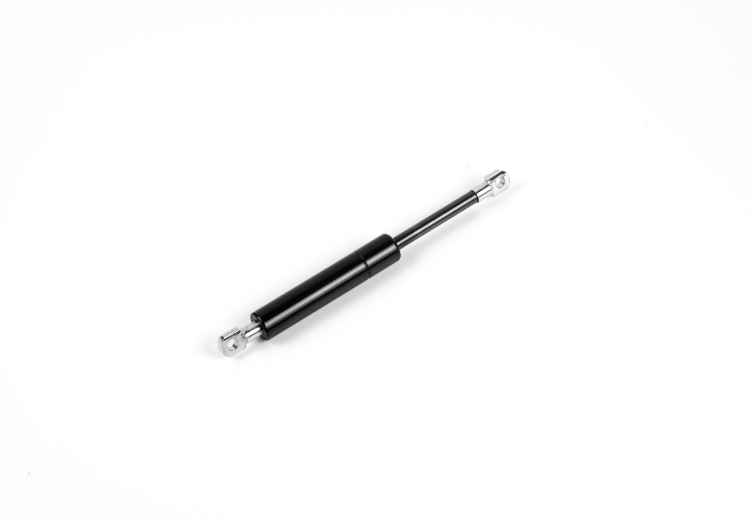
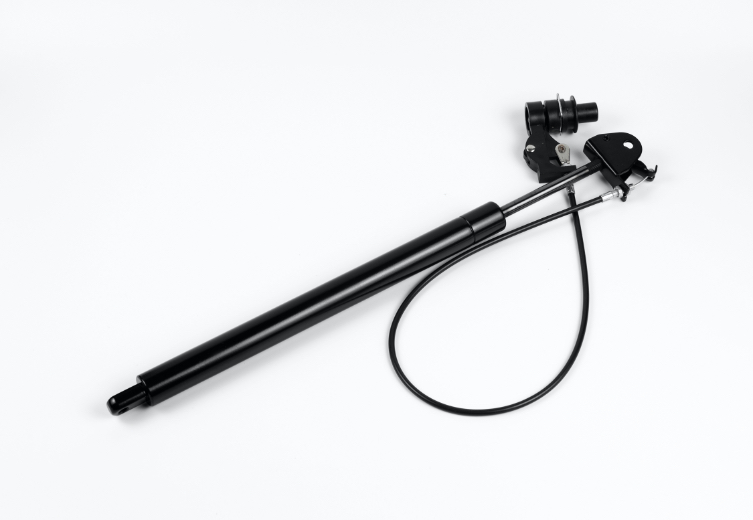
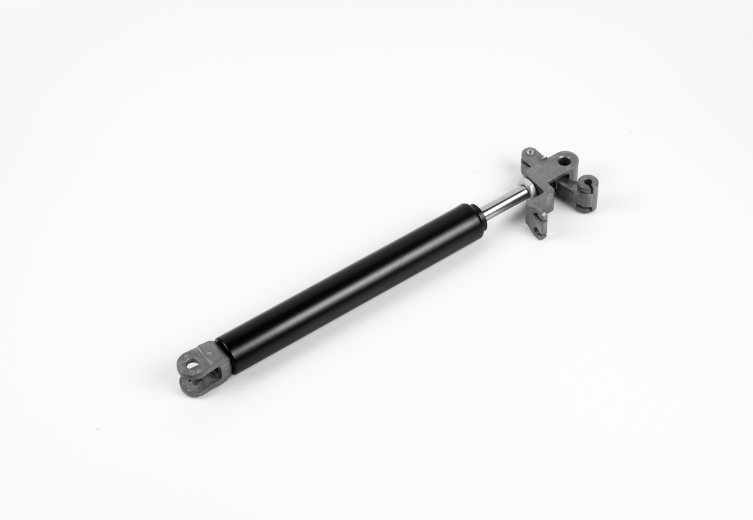
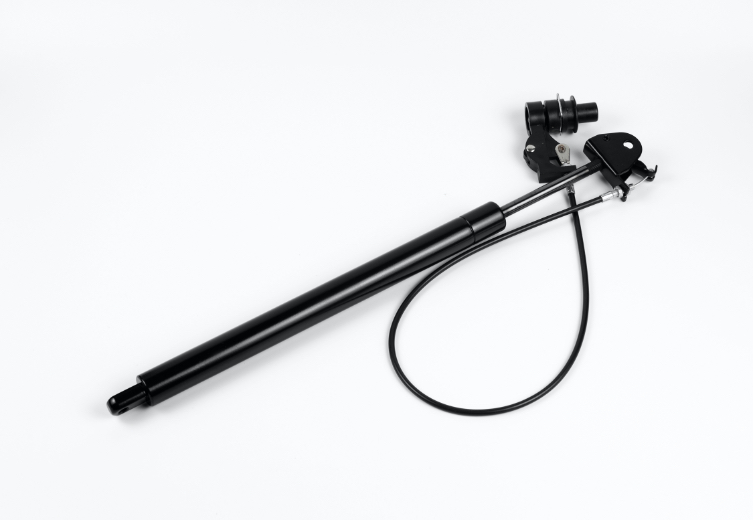
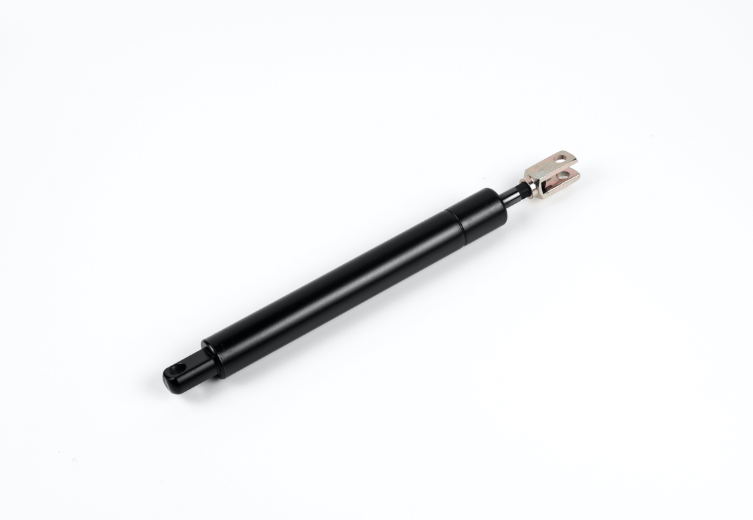
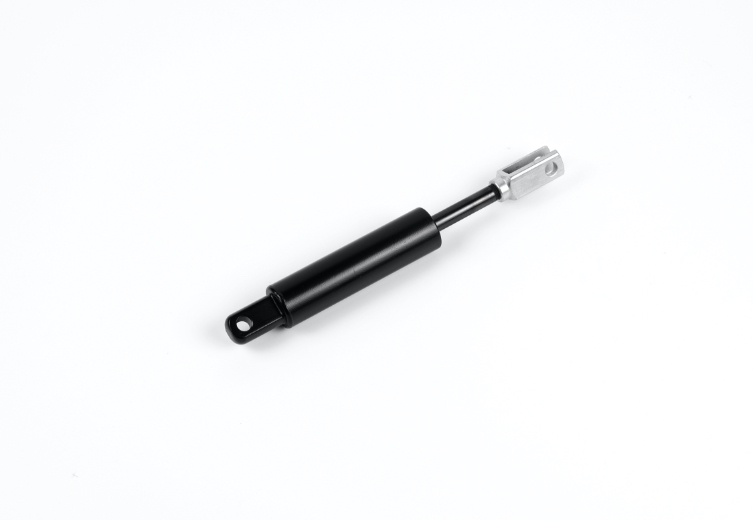
A lockable gas struts is a pneumatic component that achieves compression and expansion by controlling the inflow and outflow of gas. Its structure mainly consists of cylinder, end cover and piston. When the piston moves, gas enters and exits, thereby achieving compression and expansion of the spring. The controllable gas spring can control the inlet and outlet of gas and the pressure of gas through pressurization and decompression, thereby achieving different elastic characteristics of the spring.
How do adjustable gas springs work?
Adjustable gas springs let you change pressure inside of them, which changes the force they apply. Both have a valve or screw, allowing you to add or release gas, altering the spring’s stiffness. This means that you can adjust the spring’s force to suit the specific requirement, such as making it easier or harder to lift or lower ax lid, door, or any other moving object. This flexibility is critical for numerous applications, allowing for varying levels of speed and ease of motion with this adjustment.
FAQ
1. Are all gas struts adjustable?
No, not all gas struts are adjustable. Some have fixed pressure, while others allow you to adjust the force or tension. Adjustable ones usually have a valve or screw to change the pressure.
2. Does stainless steel make a good spring?
Yes, stainless steel is a good material for springs. It’s strong, resistant to rust, and works well in corrosive environments, but it’s generally less flexible than other metals like carbon steel.
3. What metal makes the best spring?
Carbon steel is often the best choice for springs due to its excellent strength, flexibility, and ability to withstand repeated stress. Alloy steels also perform well in specific applications.
4. How do I adjust the force on my gas strut?
You can adjust the force on a gas strut by turning the adjustment valve or screw, which changes the internal gas pressure. Some models may require a special tool to make the adjustment.
5. What is the best angle for gas struts?
The best angle for gas struts typically depends on the application, but an angle between 30 to 45 degrees is common. This angle offers a good balance of force and movement range.
6. Does gas strut orientation matter?
Yes, gas strut orientation matters. For proper function, most struts should be installed with the piston rod facing downward to avoid issues with sealing or gas leakage, ensuring optimal performance.