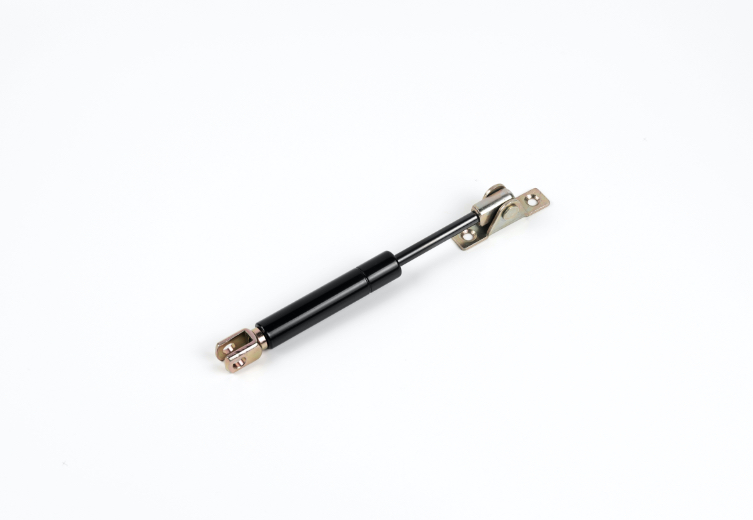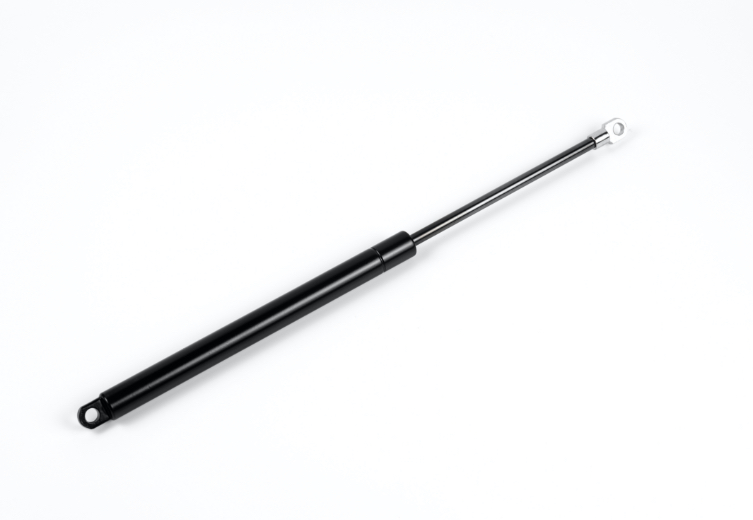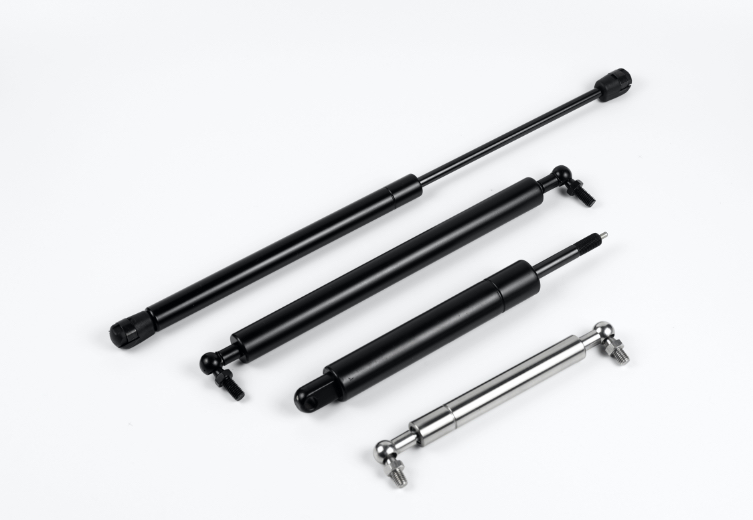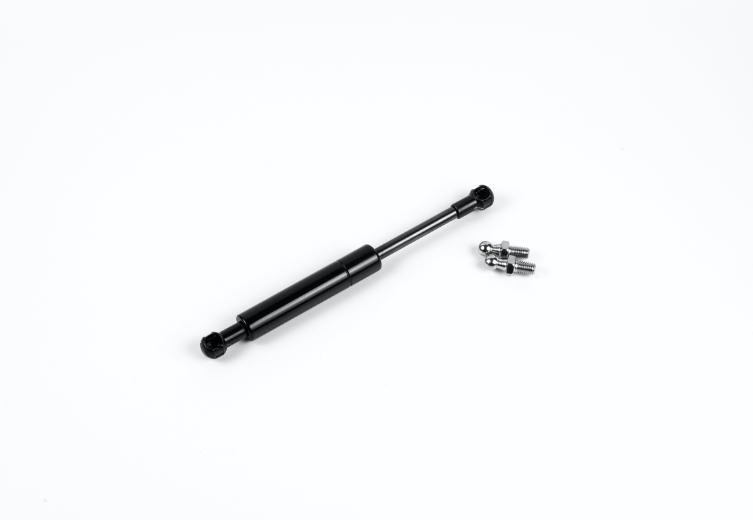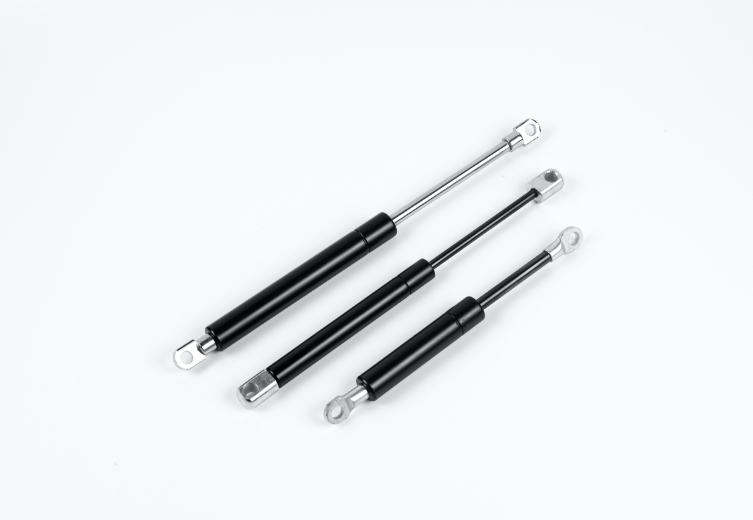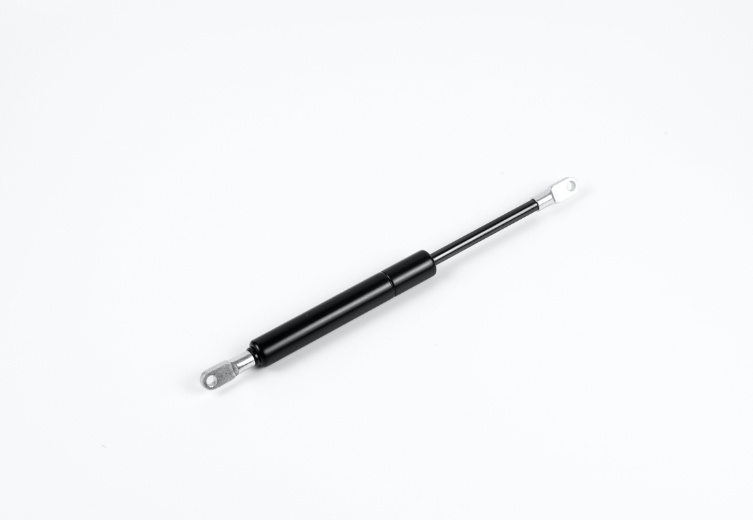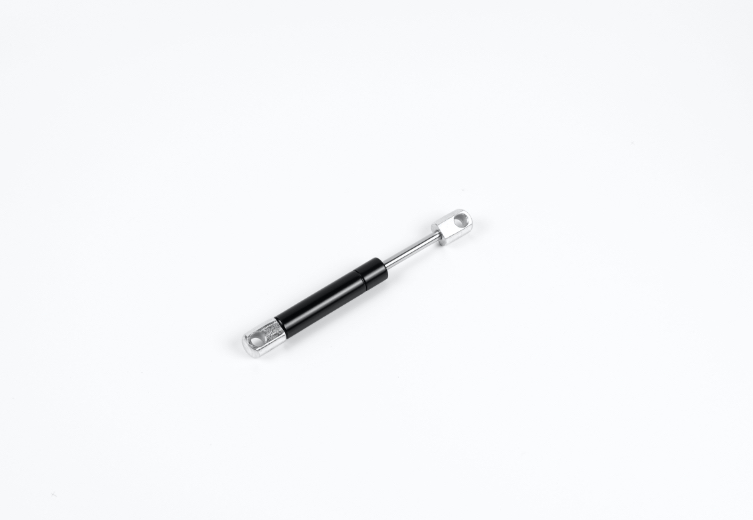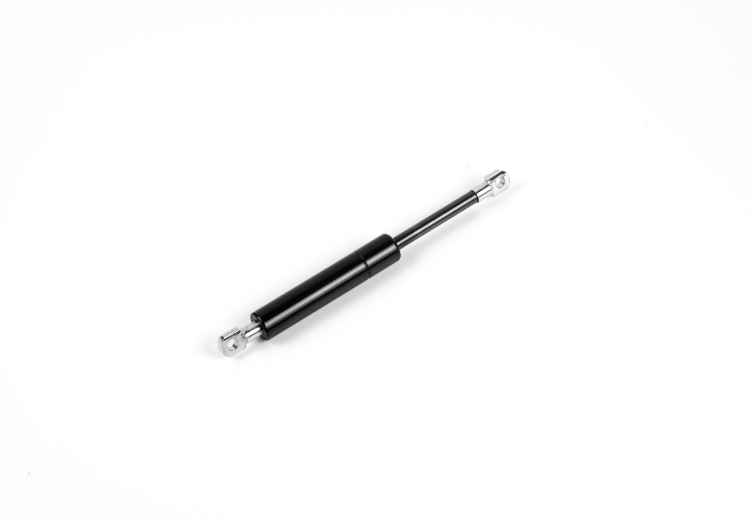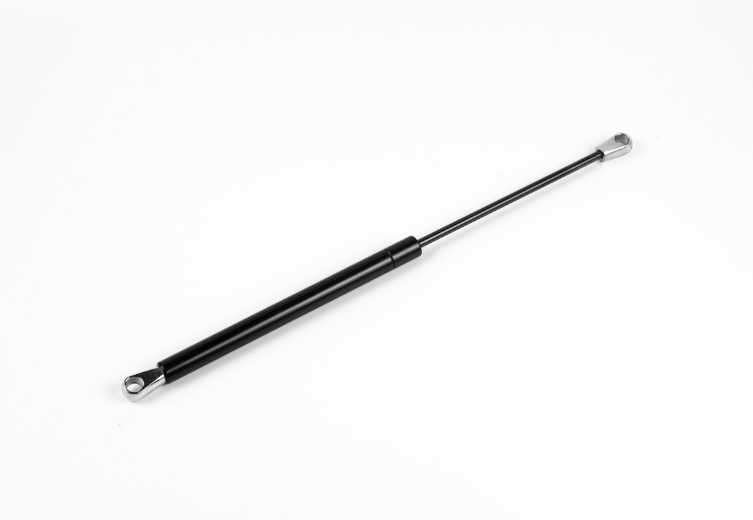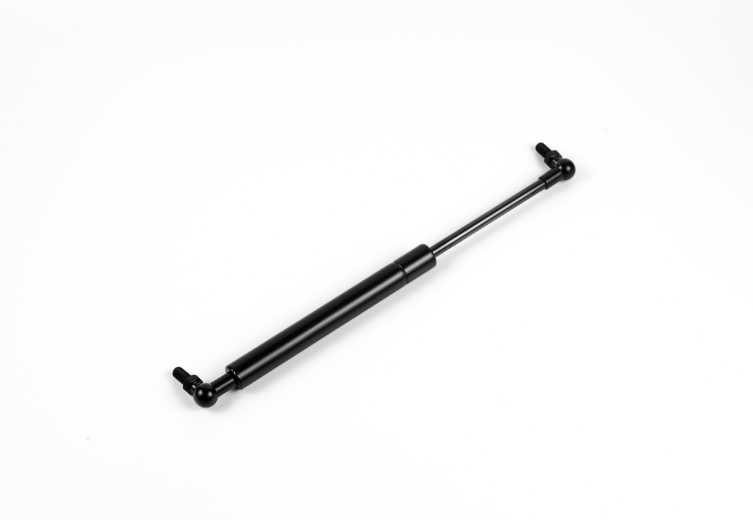





Gas spring characteristic
What Is a Gas Spring?
A gas spring, also known as a gas strut or gas shock, is a mechanical device that uses compressed gas (typically nitrogen) to generate controlled, smooth linear motion. Unlike traditional mechanical springs that rely on metal elasticity, gas springs operate through pneumatic pressure, offering adjustable force, damping, and self-locking capabilities. They are widely used in automotive, industrial, medical, and furniture applications due to their reliability, durability, and maintenance-free operation.
How Does a Gas Spring Work?
A gas spring consists of a precision-engineered cylinder filled with pressurized nitrogen gas and a small amount of oil for lubrication and damping. Inside the cylinder, a piston rod divides the chamber into two sections. When force is applied (e.g., lifting a car trunk), the piston compresses the gas, storing energy. When the force is released, the gas expands, pushing the piston rod outward and returning the spring to its extended position.
Key components include:
Cylinder: Houses the pressurized gas and piston assembly.
Piston Rod: Transmits force and moves linearly.
Seals: Prevent gas leakage and maintain pressure.
End Fittings: Allow secure attachment to mounting points.
Key Characteristics of Gas Springs
| Characteristic | Description |
|---|---|
| 1. Force (F1, F2) | The amount of force the gas spring exerts when extending (F1) or compressing (F2). Measured in Newtons (N). |
| 2. Stroke Length | The distance the piston rod travels from fully compressed to fully extended. |
| 3. Extended Length (Lmax) | Total length when the rod is fully extended (cylinder + rod). |
| 4. Compressed Length (Lmin) | Length when fully compressed. Important for installation constraints. |
| 5. Damping | Resistance in movement near the end of stroke (helps smooth opening/closing). |
| 6. Progression | Increase in force as the gas spring compresses. Typical progression: 20%–50%. |
| 7. Mounting Orientation | Some gas springs must be mounted rod-down to ensure proper lubrication. |
| 8. Friction Force | Internal resistance. Causes F1 > F2 (typically 5%–10% difference). |
| 9. Life Cycle Durability | Number of operating cycles (e.g. >50,000 cycles) the gas spring can perform without loss of performance. |
| 10. Operating Temperature | Typically ranges from –30°C to +80°C, depending on seals and oil used. |
| 11. Speed Control / Damping Control | Can be built-in for specific applications like seats or lids. |
| 12. Valve / Adjustable Type | Some types include a valve for force adjustment after installation. |
Gas springs are essential in modern engineering, offering precise force control, durability, and versatility across industries. Whether in vehicles, furniture, or industrial systems, they enhance functionality, safety, and user convenience. Their ability to provide consistent performance with minimal maintenance makes them a preferred choice over mechanical springs in many applications.