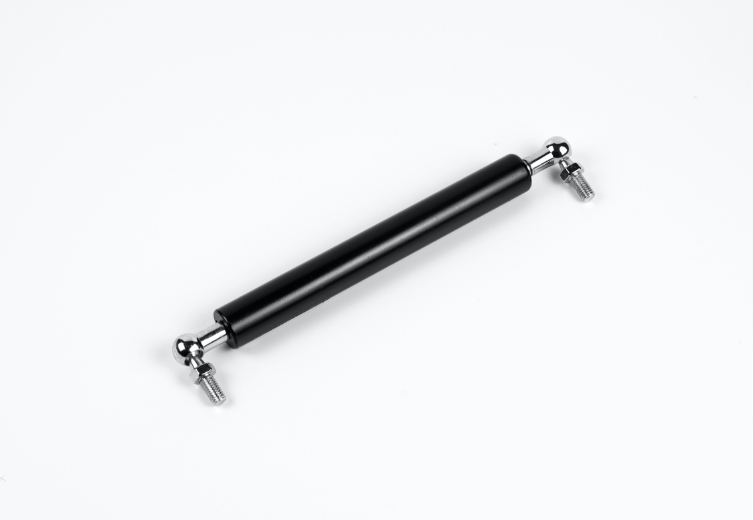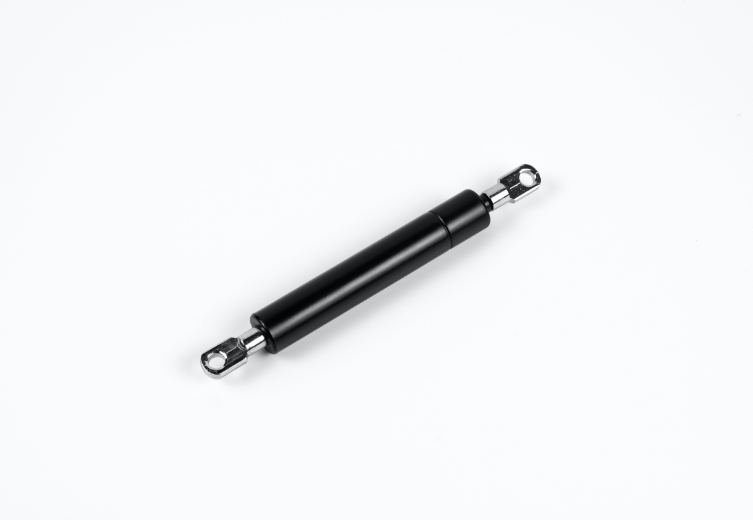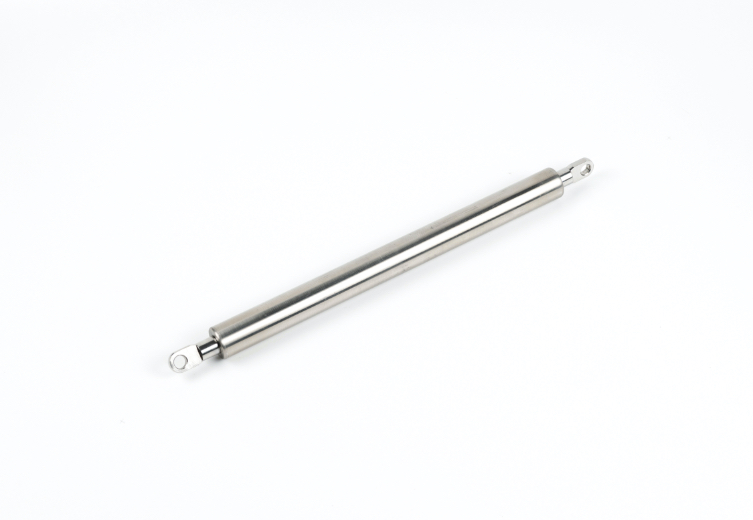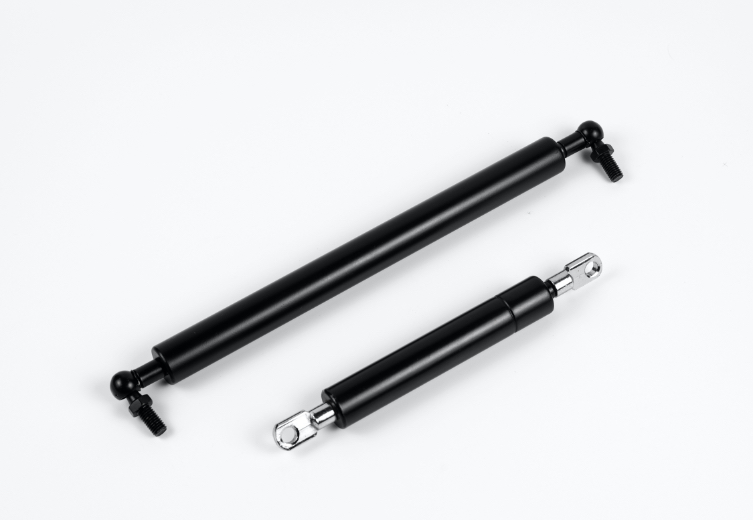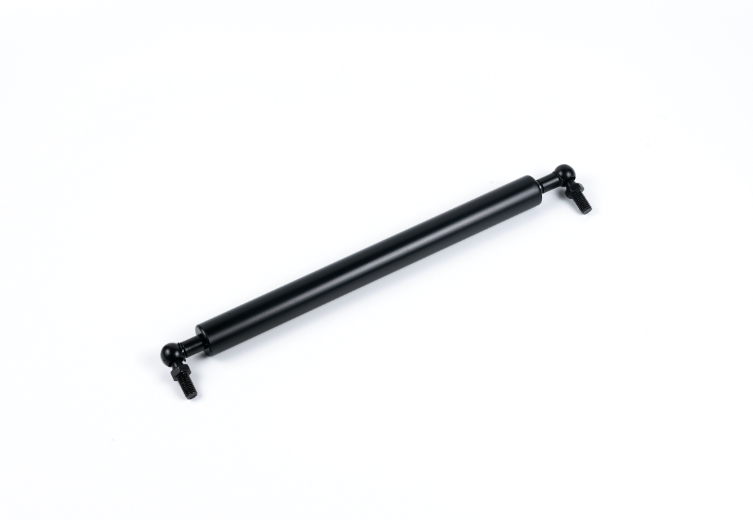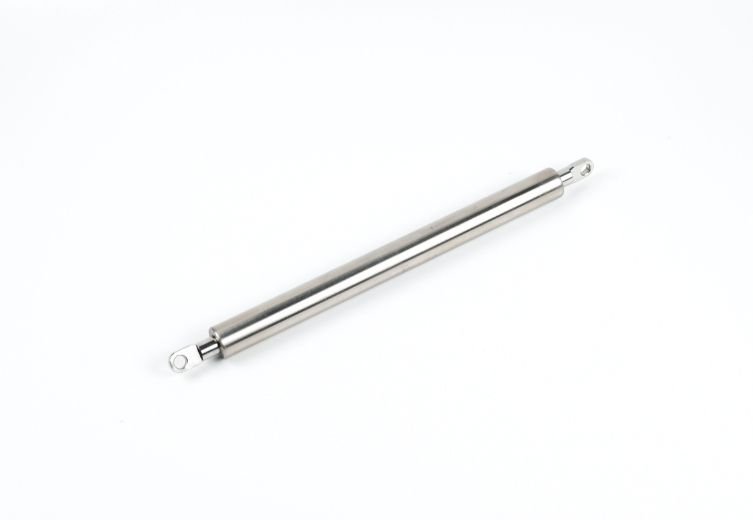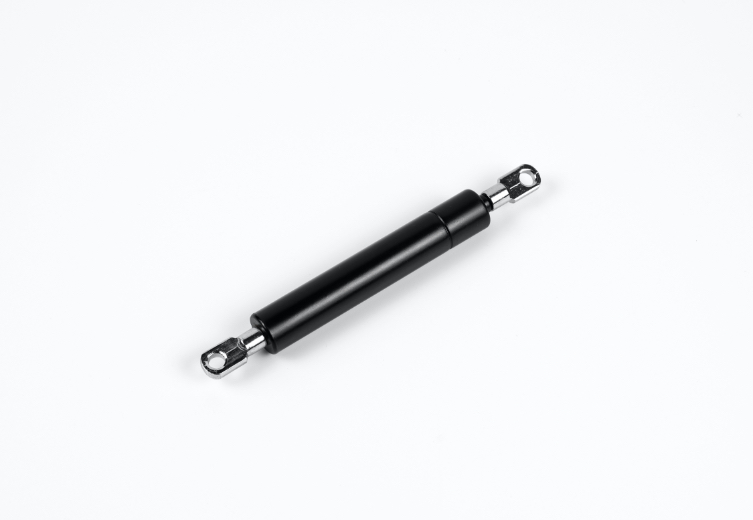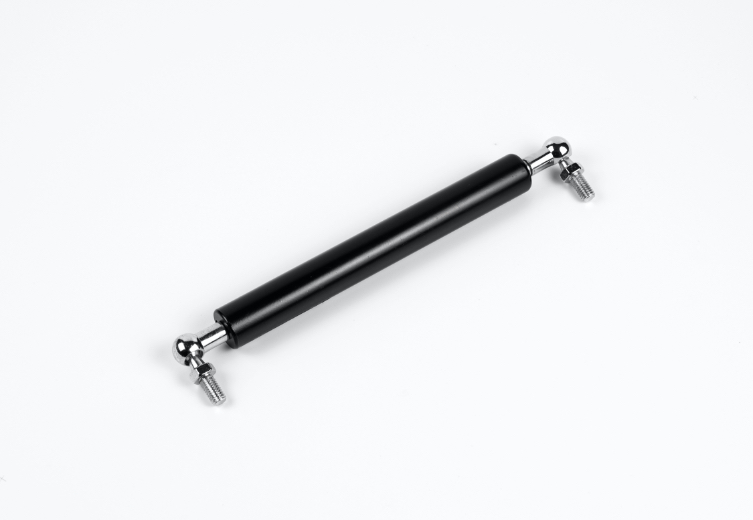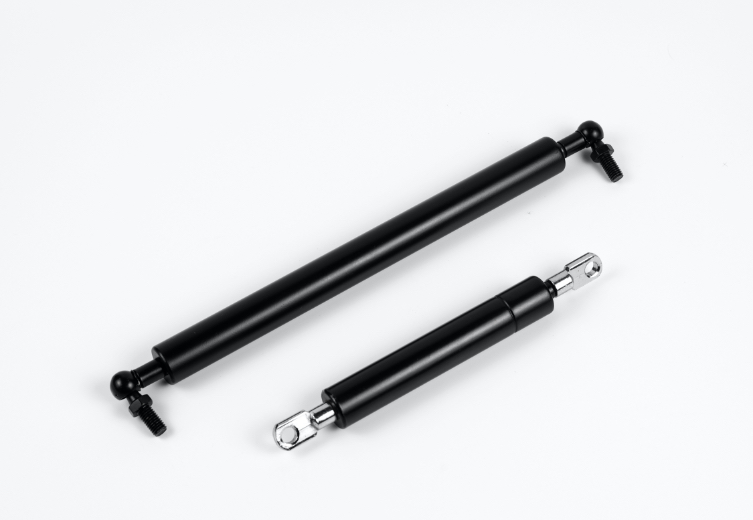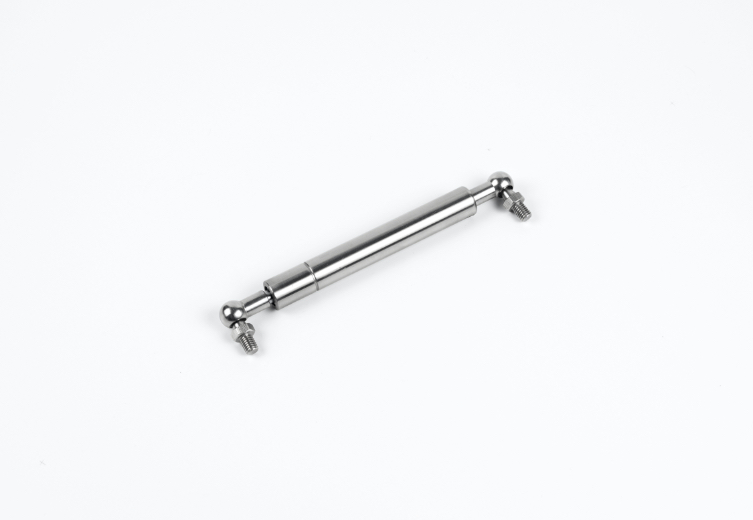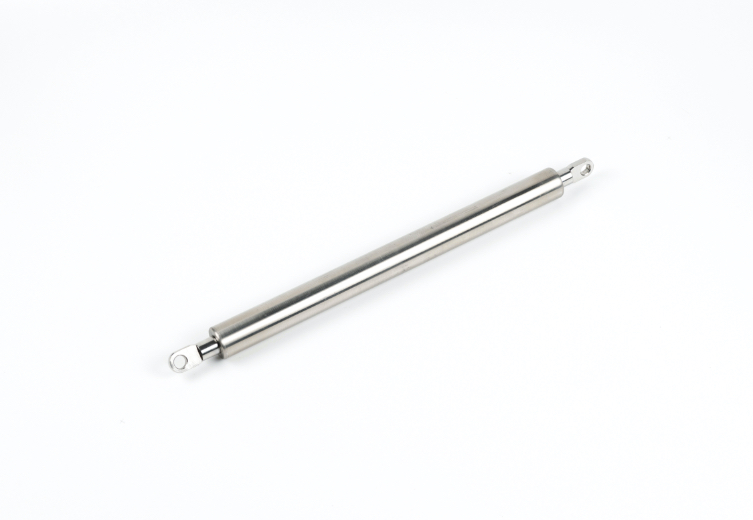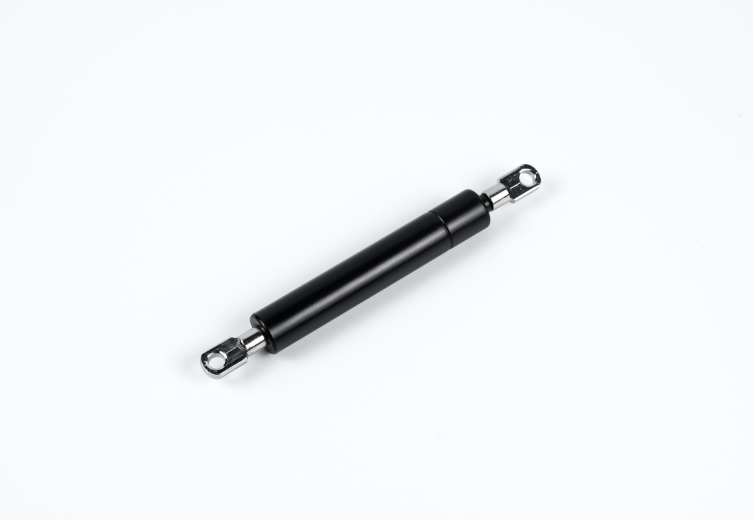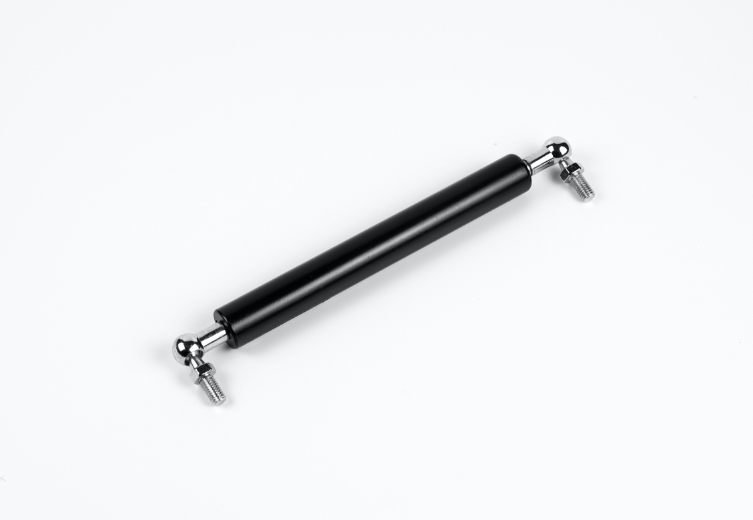





Damper apply for door damping
Damper Application for Door Damping
A damper is commonly used for door damping applications to control the opening and closing speed of doors. It absorbs kinetic energy and provides smooth, quiet, and controlled movement, preventing sudden impacts and slamming.
How a Damper Works in Door Damping
When a door is opened or closed, the damper generates resistance through hydraulic fluid or friction mechanisms. This resistance slows the door movement and creates a soft-closing effect, improving safety and user comfort.
Applications of Door Damping Dampers
Furniture Doors
Kitchen cabinet doors
Wardrobe doors
Storage cabinet doors
Office furniture doors
Building Doors
Residential doors
Hotel room doors
Office doors
Commercial building entrances
Sliding Doors
Closet sliding doors
Glass sliding doors
Automatic sliding doors
Industrial sliding doors
Industrial Equipment Doors
Machine safety covers
Electrical cabinet doors
Tool box lids
Equipment access panels
Benefits of Door Damping Dampers
Prevent door slamming
Reduce noise and vibration
Improve user safety
Protect hinges and door structures
Extend equipment service life
Enhance product quality and comfort
Provide smooth and controlled door movement
Typical Damper Types for Door Damping
Hydraulic dampers
Rotary dampers
Linear dampers
Soft-close dampers
Pneumatic dampers
Door damping solutions are widely used in furniture, construction, industrial machinery, automotive, and medical equipment industries where quiet and controlled door movement is required. Manufacturers such as Changzhou Juteng Gas Spring Co., Ltd. provide customized damper solutions for various door damping applications.