



How traction gas springs function in modern applications
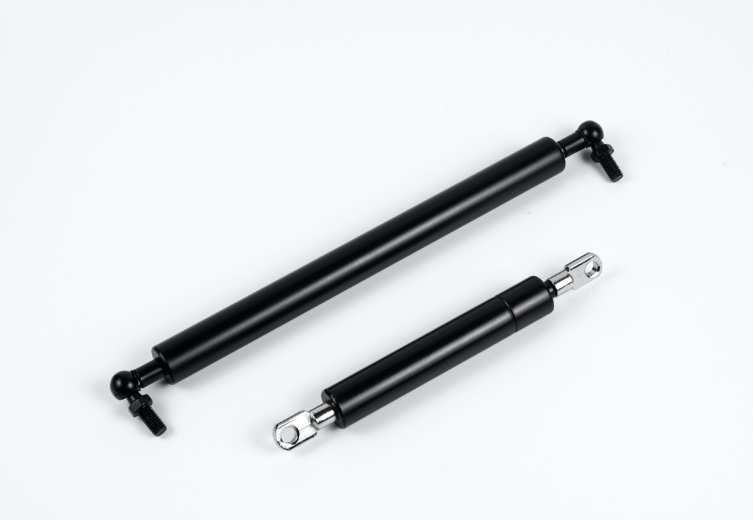
Traction gas springs are essential components in modern mechanical design, providing controlled pulling force for precise movements. Unlike standard compression springs that push components apart, traction gas springs (also known as pull-type gas springs) generate tension. This mechanism ensures smooth, safe, and reliable operation in applications ranging from household furniture to complex industrial machinery. As a professional manufacturer, Juteng delivers high-performance gas springs designed for consistent tension, durability, and seamless integration into various engineering systems.
Key Takeaways
Traction gas springs provide controlled pulling force, ensuring smoother and safer retraction in various mechanical applications.
These springs are critical in automotive, industrial, and medical fields, enhancing safety by preventing sudden closures.
Selecting the right gas spring requires evaluating force requirements, stroke length, and material compatibility.
Proper installation and routine maintenance significantly extend the service life of gas springs and prevent premature failure.
Advanced features, such as adjustable damping and locking mechanisms, allow for fine-tuned movement control and enhanced user safety.
Traction Gas Spring Basics
Definition and Concept
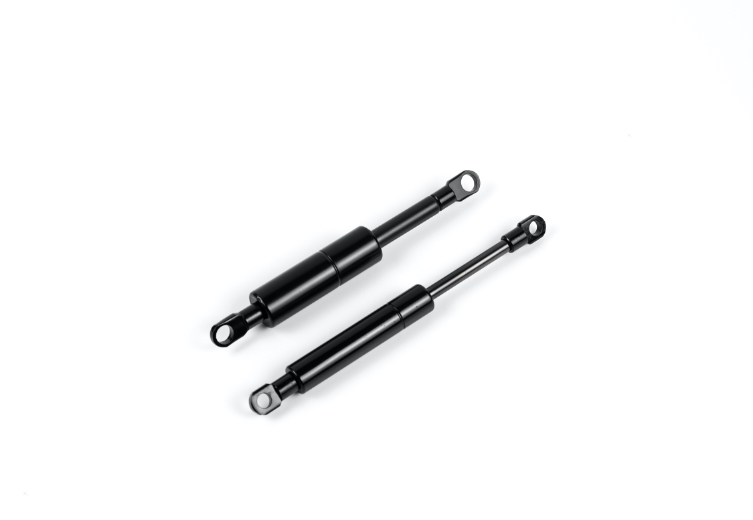
Traction gas springs operate by generating a controlled pulling force, distinguishing them from standard gas springs that exert push force. They are widely utilized in industrial machinery, ergonomic furniture, and automotive systems. The core mechanism relies on a sealed cylinder filled with compressed nitrogen and a precise amount of hydraulic oil. This internal configuration creates continuous tension, allowing for the smooth and safe management of retracting movements.
The primary structural components of a traction gas spring include:
Cylinder: The outer steel tube that houses all internal components and withstands high pressure.
Piston Rod: The moving element that extends and retracts, connected to the piston inside.
Piston & Seal: Separates the gas and oil chambers, ensuring pressure integrity and smooth movement.
Compressed Gas (Nitrogen): The energy medium that provides the consistent retraction (pulling) force.
Hydraulic Oil: Acts as a damping medium to control the speed of retraction and prevent shock.
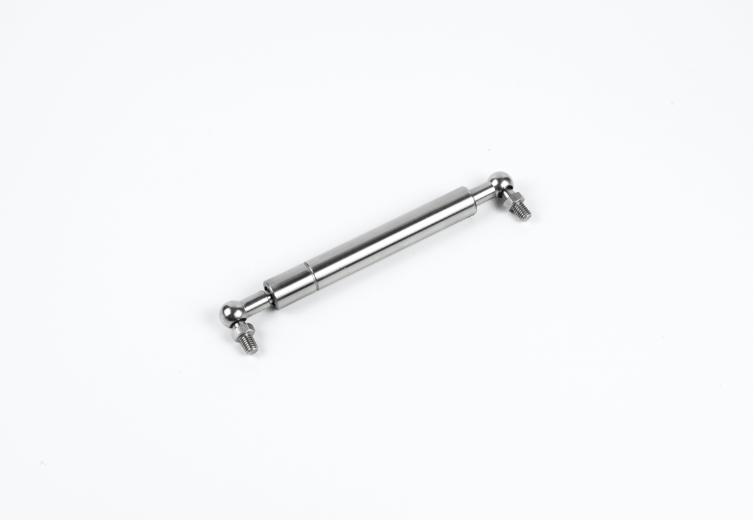
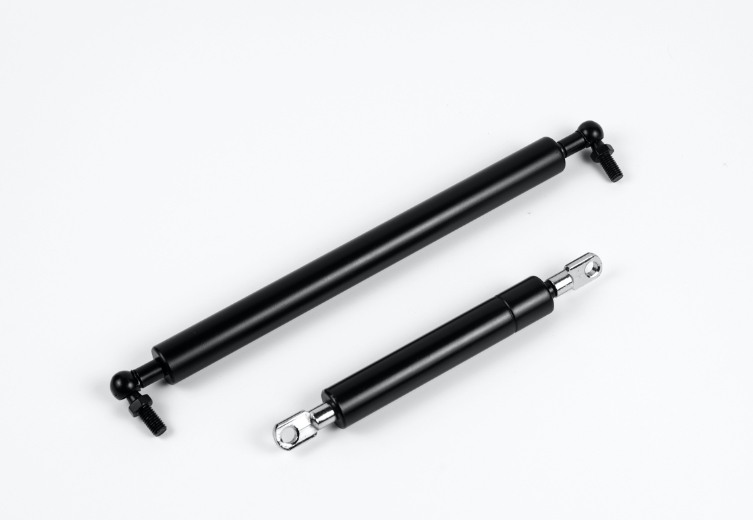
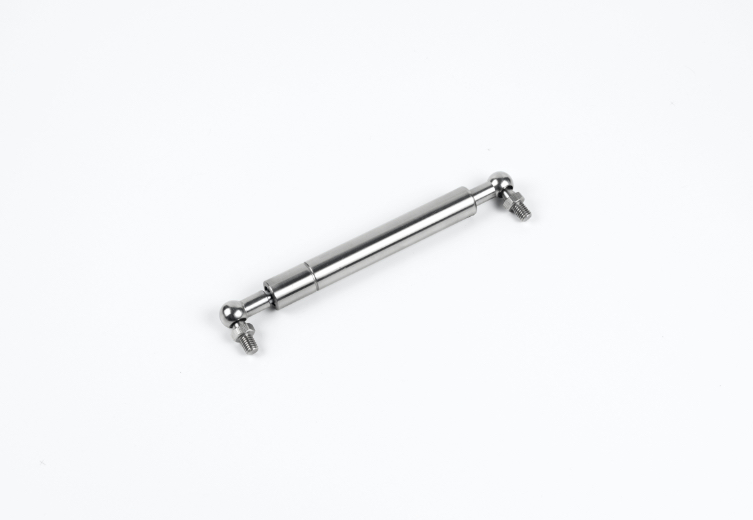
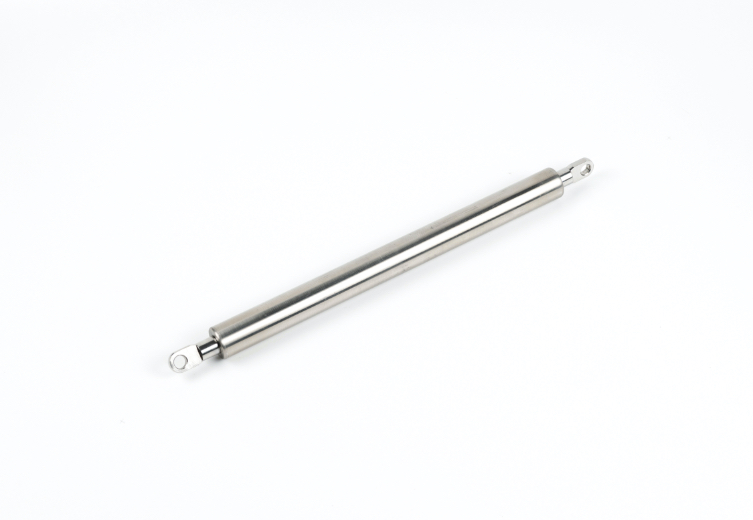
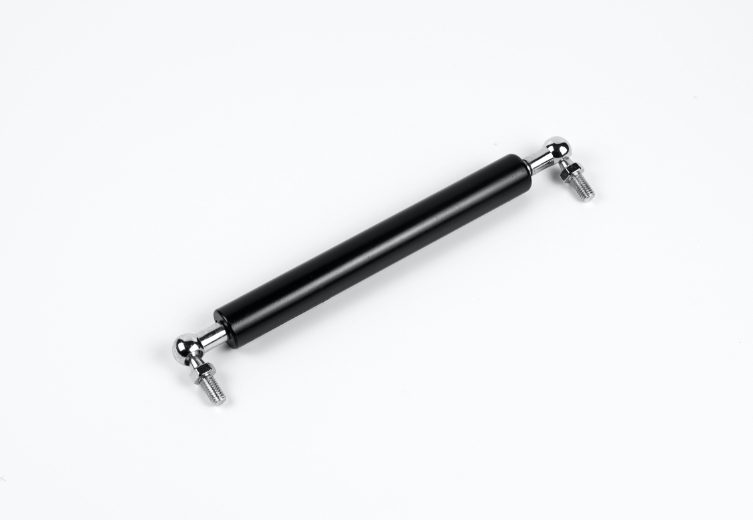
End Fittings: Mounting hardware (e.g., eyelets, ball joints) that connects the spring to fixed and moving points.
Due to their self-contained and sealed design, traction gas springs require minimal maintenance. They offer reliable, maintenance-free operation over a long service life, making them a cost-effective solution for dynamic motion control.
Differences from Standard Gas Springs
The most fundamental distinction between traction gas springs and standard compression gas springs lies in the direction of the force they exert. While standard gas springs push outward to lift or support loads, traction gas springs pull inward to retract or maintain tension. This difference dictates their specific application scenarios in mechanical design.
Feature | Standard Compression Springs | Traction Gas Springs |
|---|---|---|
Force Direction | Push outward (Extension) | Pull inward (Retraction) |
Typical Applications | Lifting lids, hatches, hoods | Retracting mechanisms, tensioning |
Energy Storage State | Compressed state stores energy | Extended state stores energy |
Traction gas springs are specifically engineered for precise closing, lowering, or tension support. They maintain balance and ensure smooth operation in conveyor systems, automated production equipment, and retractable covers. For applications requiring dynamic load management, gas springs with integrated damping functions (gas dampers) provide superior motion control.
Operation and Performance
Internal Mechanism
The working principle of a traction gas spring centers on a sealed cylinder filled with high-pressure nitrogen. When the spring is extended, the compressed nitrogen generates a consistent retraction force. This force pulls the piston rod back into the cylinder, delivering a controlled pulling action rather than a pushing one.
Inside the cylinder, the piston separates the gas chamber from the oil chamber. The compressed nitrogen provides the primary energy for movement, while the hydraulic oil ensures smooth, damped operation by flowing through small orifices in the piston. Advanced models offered by Juteng include locking and variable damping features, allowing movement to be stopped or slowed at specific points—crucial for medical equipment and precision aerospace applications.
Unlike mechanical coil springs, gas springs deliver a nearly constant force throughout their entire stroke. This characteristic ensures smooth, predictable movement, making them ideal for counterbalancing heavy objects, reducing operator fatigue, and improving overall mechanical efficiency.
Engineering Tip: For applications requiring precise speed control, specify traction gas springs with adjustable damping to enhance operational safety.
Controlled Pulling Force & Safety
The controlled pulling force of traction gas springs is vital for managing the retraction of lids, doors, and panels. Manufacturers like Juteng offer a wide spectrum of force options to match exact load requirements, ensuring optimal performance without over-stressing the mechanism.
Performance Feature | Engineering Benefit |
|---|---|
Consistent Force Profile | Maintains steady tension throughout the stroke, preventing jerky movements. |
End-of-Stroke Damping | Hydraulic oil cushions the retraction, eliminating harsh impacts and noise. |
Compact Force Density | Delivers high pulling force in a compact package, saving installation space. |
Beyond basic movement, these springs prevent slamming by providing smooth deceleration during closing. This reduces the risk of sudden impacts that could damage equipment or cause injury, while also minimizing wear on hinges and joints. Many industrial models include mechanical locking mechanisms to prevent accidental retraction, ensuring a safe environment for operators.
Specifications and Customization
Force and Stroke Options
Selecting the correct gas spring requires matching the force and stroke to the specific mechanical requirements. The rod diameter, compressed length, and stroke length directly influence the spring's performance and installation footprint.
Specification | Typical Range |
|---|---|
Rod Diameter | 6 mm to 20 mm |
Tube Diameter | 15 mm to 40 mm |
Stroke Length | 50 mm to 500 mm (Customizable) |
Force Range | 50 N to 3500 N |
Materials and Durability
Material selection is critical for ensuring longevity, especially in demanding environments. Standard carbon steel tubes with black painting are suitable for dry, indoor applications. However, for harsh conditions involving moisture, chemicals, or frequent washdowns, stainless steel (e.g., SUS 316) is required.
Material Type | Durability Characteristics | Recommended Environment |
|---|---|---|
Carbon Steel (Painted) | Moderate rust protection; cost-effective. | Dry, indoor environments |
Stainless Steel 316 | Excellent corrosion resistance; hygienic. | Marine, medical, food processing |
Customization at Juteng: Beyond standard catalog items, Juteng provides comprehensive Design Services. Engineers can work directly with our team to customize force curves, stroke lengths, and end fittings, ensuring the gas spring perfectly adapts to unique environmental and mechanical challenges.
Applications of Traction Gas Springs
Traction gas springs are ubiquitous in modern engineering. Their ability to provide reliable, controlled tension makes them indispensable across multiple industries.
Automotive Industry
In automotive design, traction gas springs are utilized where controlled retraction or tension is required. Common applications include retractable step boards, tonneau covers, trunk organizers, and specialized seating adjustments. They ensure that components return to their stowed positions smoothly, preventing slamming and reducing wear on latches and hinges.
Industrial Machinery & Furniture
Furniture: Used in motorized or manual recliners, retractable TV lifts, and heavy drawer systems to assist in smooth closing and tensioning.
Industrial Automation: Essential for retracting safety guards, balancing robotic arms, and maintaining belt tension in conveyor systems.
Enclosures: Used to pull electrical cabinet doors or machine covers tightly shut, ensuring secure sealing against dust and moisture.
Medical & Specialized Equipment
Medical devices demand high precision and reliability. Traction gas springs are used in adjustable hospital beds, surgical tables, and diagnostic equipment to smoothly retract components or maintain counterbalance. In aerospace, they assist in the retraction of tray tables, overhead bin latches, and specialized access panels, where weight savings and reliable tension are critical.
Juteng Service Capability | Details |
|---|---|
OEM / ODM Support | Full design service from concept to mass production. |
Custom End Fittings | Tailored mounting options (clevis, ball joint, thread) for exact fitment. |
Quality Assurance | ISO-certified facility with 100% force and leak testing before shipment. |
Installation and Maintenance
Setup Guidelines
Proper installation is critical to maximizing the service life of traction gas springs. Follow these engineering guidelines:
Orientation: Whenever possible, install the spring with the piston rod pointing downward. This ensures the internal seal and wiper remain lubricated by the oil charge, preventing seal drying and gas leakage.
Alignment: Ensure mounting points are perfectly aligned. Misalignment causes side-loading on the piston rod, leading to premature seal wear and binding.
Secure Fittings: Use appropriate locking nuts or thread-locking compounds to prevent vibrations from loosening the end fittings.
Stroke Verification: Manually cycle the mechanism through its full range of motion to verify there are no obstructions or hard stops that could damage the spring.
Maintenance and Safety
While gas springs are largely maintenance-free, periodic inspections ensure continued safety and performance.
Maintenance Practice | Description |
|---|---|
Visual Inspection | Check for dents on the tube, corrosion on the rod, or oil leaks around the seal. |
Rod Cleaning | Keep the piston rod clean from debris. In dirty environments, use protective bellows or scraper seals. |
Avoid Painting | Never paint the piston rod or the seal area, as this can damage the seals and cause leakage. |
Load Limits | Never exceed the maximum force rating or attempt to modify the internal pressure. |
Advanced Variants
For specialized requirements, various advanced configurations are available. Lockable traction gas springs feature a mechanism that can lock the piston rod at any point within the stroke, providing secure positioning for adjustable panels or seats. Stainless steel variants are engineered for highly corrosive environments, such as marine applications or food processing facilities, offering superior durability without compromising performance.
Traction gas springs are indispensable for delivering reliable, controlled pulling force in modern mechanical designs. As a dedicated manufacturer, Juteng is committed to providing high-quality gas springs that meet stringent international standards. With comprehensive design services, ISO-certified quality assurance, and a focus on precision engineering, Juteng ensures that every gas spring delivers consistent motion, robust support, and long-term safety across automotive, industrial, and medical applications.
The Juteng Advantage | Value to Your Project |
|---|---|
Proven Reliability | Strict quality control and multi-stage inspections ensure low defect rates. |
Engineering Expertise | Professional design service to optimize force and stroke for your specific application. |
Safety Integration | Advanced options including mechanical locking, damping, and protective shrouds. |
Frequently Asked Questions (FAQ)
What is the main advantage of using a traction gas spring?
The primary advantage is the ability to provide a controlled, consistent pulling (retraction) force. This ensures smooth movement, prevents sudden slamming, reduces mechanical wear, and enhances overall operational safety.
How do you choose the right traction gas spring for a project?
Selection requires calculating the required pulling force (in Newtons or lbs), determining the necessary stroke length, and evaluating the environmental conditions to select the appropriate material (e.g., carbon steel vs. stainless steel). Consulting with a supplier's engineering team, like the design service at Juteng, is highly recommended for complex applications.
Can the force of a traction gas spring be adjusted after manufacturing?
Standard sealed gas springs cannot be adjusted by the end-user, as the force is determined by the internal nitrogen pressure set during manufacturing. However, manufacturers can produce custom force specifications, and some specialized models feature external adjustable damping or valving mechanisms.
What are common applications for traction gas springs?
Industry | Specific Applications |
|---|---|
Automotive | Tonneau covers, retractable steps, trunk organizers |
Furniture | Motorized recliners, retractable TV lifts, heavy drawers |
Industrial | Safety guard retraction, conveyor belt tensioning |
Medical | Adjustable beds, diagnostic equipment counterbalancing |