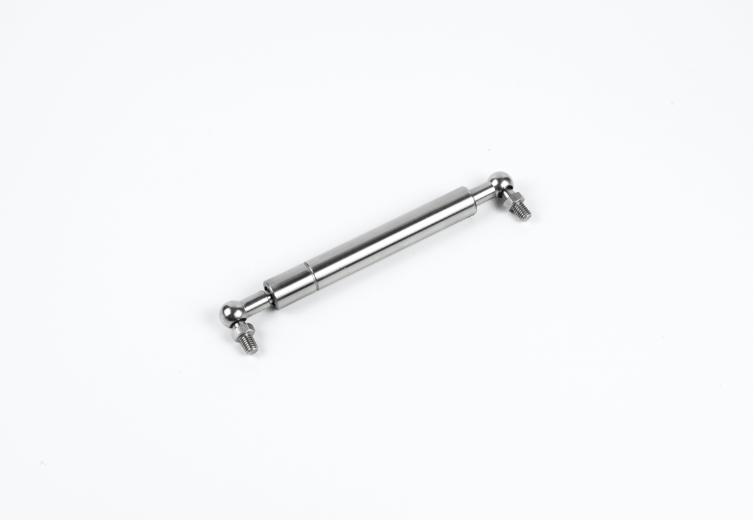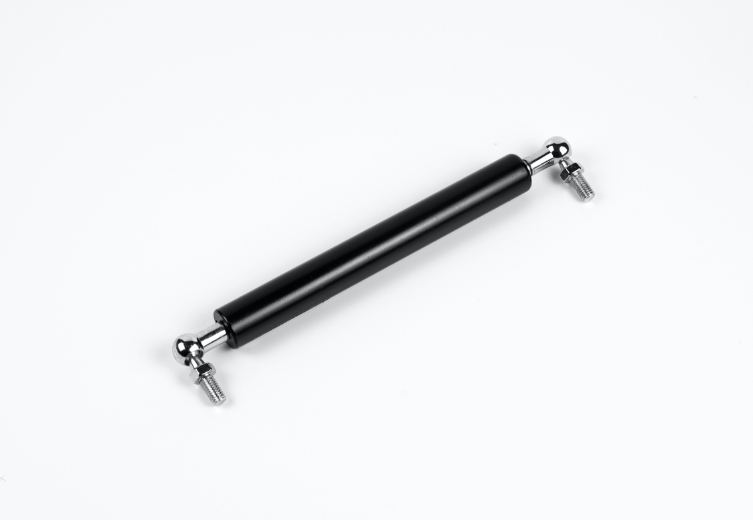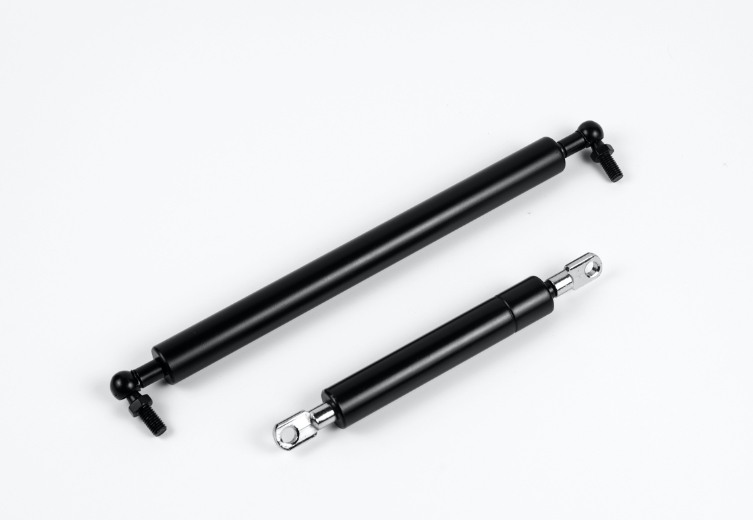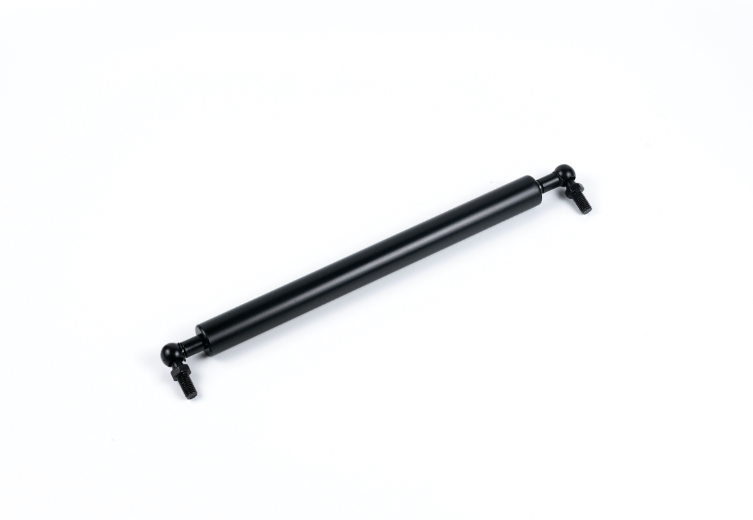





tension gas strut working principle
A tension gas spring (also called a pull-type gas spring) works on the opposite principle of a standard compression gas spring. Instead of pushing outward, it pulls inward.
1. Basic Structure
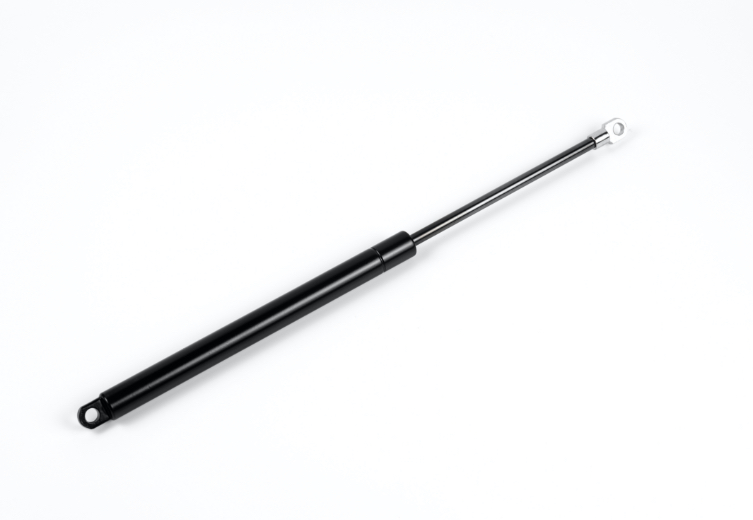
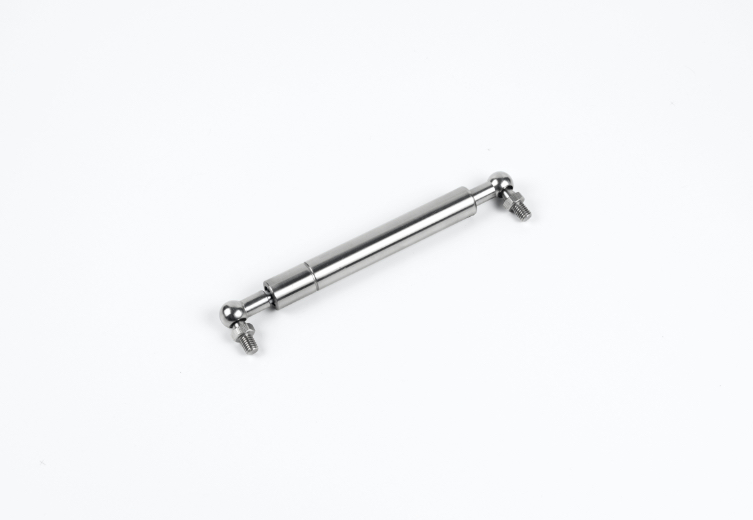
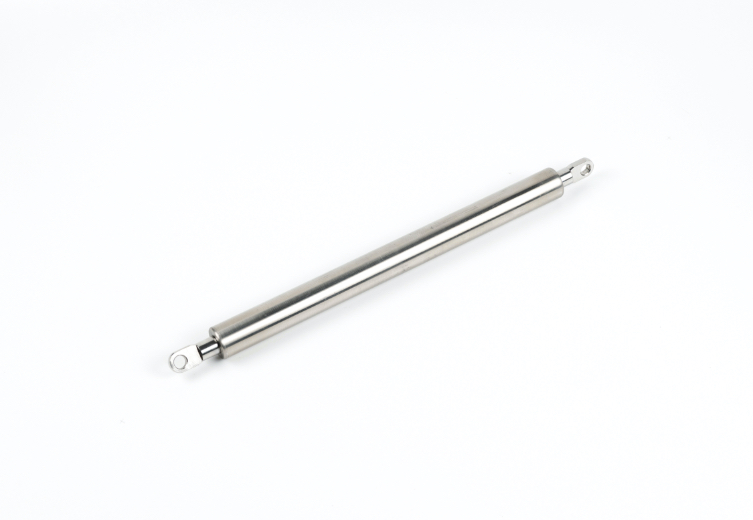
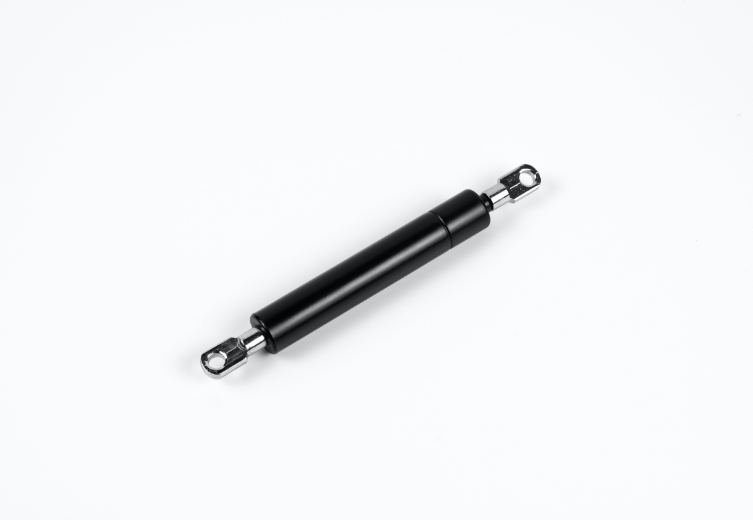
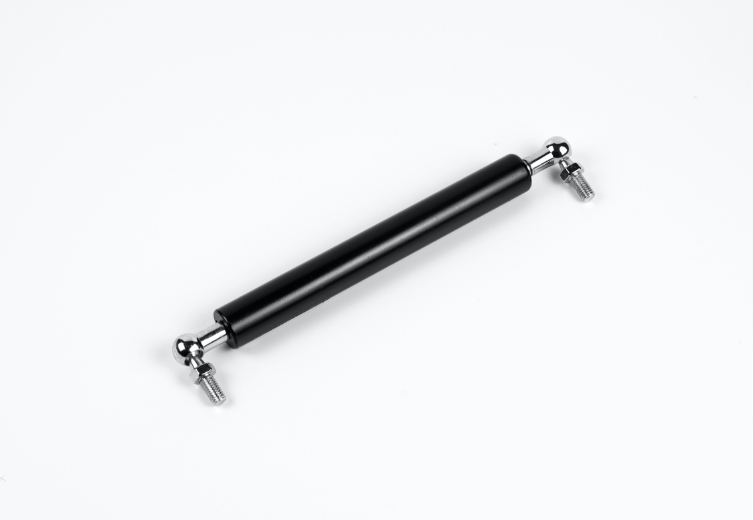
A tension gas spring consists of:
Cylinder filled with high-pressure nitrogen gas
Piston rod connected to a piston inside the cylinder
Seal and guide to prevent gas leakage
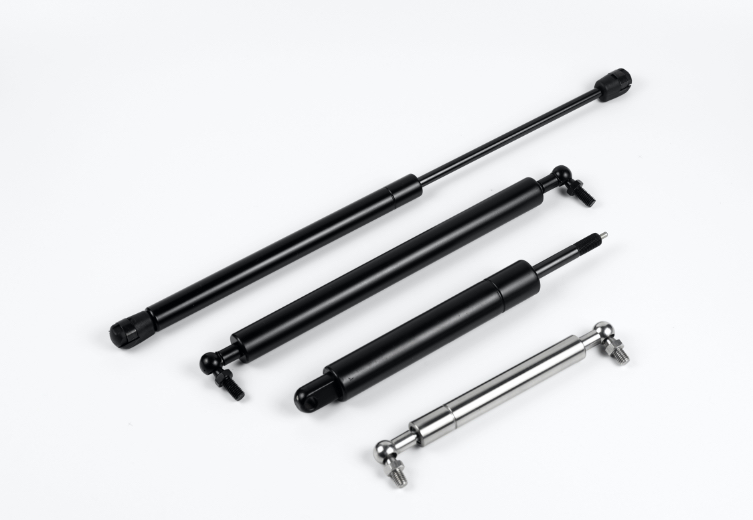
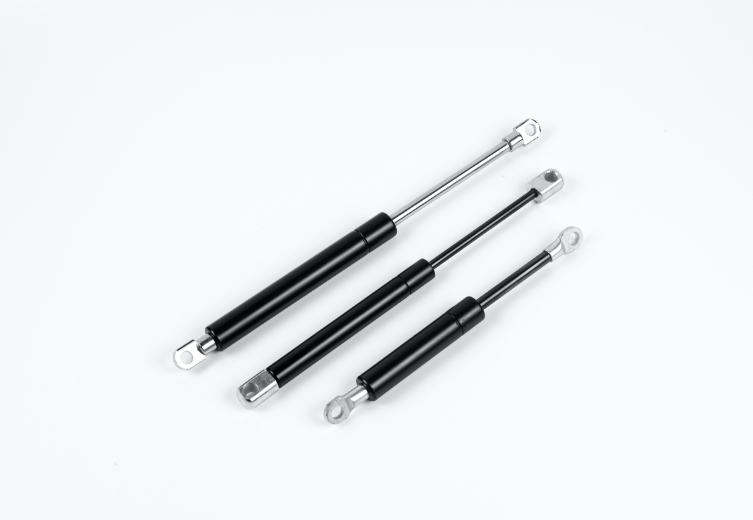
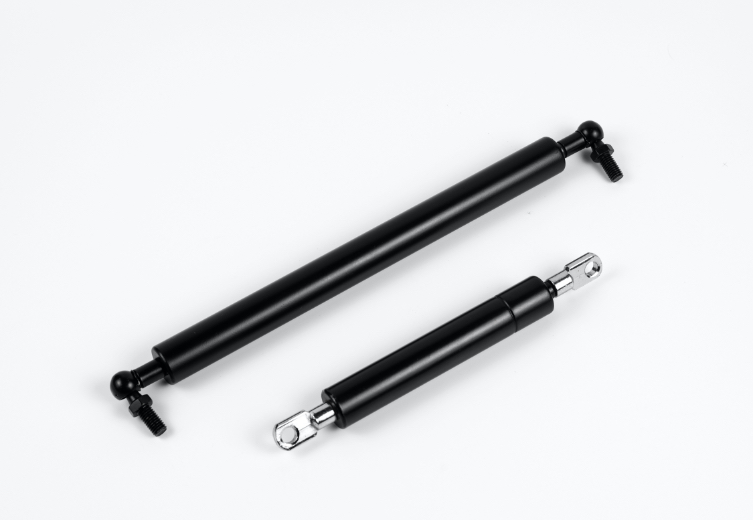
End fittings for mounting
In its natural (unloaded) state, the rod is fully pulled into the cylinder.
2. Working Principle
● Resting State
The nitrogen gas inside the cylinder is pre-pressurized.
Gas pressure acts on the piston area.
This pressure creates a constant pulling force, keeping the rod retracted.
● Extension (Pulling the Rod Out)
An external force pulls the rod outward.
The internal gas volume increases.
Gas pressure slightly decreases but still resists extension.
When released, the gas pressure pulls the rod back in automatically.
● Retraction
Once the external force is removed:
The stored gas energy pulls the piston rod inward.
The force remains nearly constant throughout the stroke.
3. Force Characteristics
Force direction: inward (tension force)
Force curve: relatively flat, with slight increase near full retraction
No external power required
Can include damping near the end of stroke if designed
4. Comparison with Compression Gas Spring
| Feature | Tension Gas Spring | Compression Gas Spring |
|---|---|---|
| Default position | Rod pulled in | Rod pushed out |
| Force direction | Pulling | Pushing |
| Typical use | Holding things closed | Lifting / supporting |
| Safety behavior | Fails closed | Fails open |
5. Typical Applications
Tension gas springs are used when a controlled pulling force is needed:
Toolboxes & equipment covers
Industrial machine guards
Cable balancing systems
Access panels & inspection doors
Furniture (hidden pull mechanisms)
These are common in industrial equipment similar to applications you may already be familiar with in gas spring systems.
6. Key Advantages
Compact installation
Clean, maintenance-free
Smooth and controlled motion
Long service life