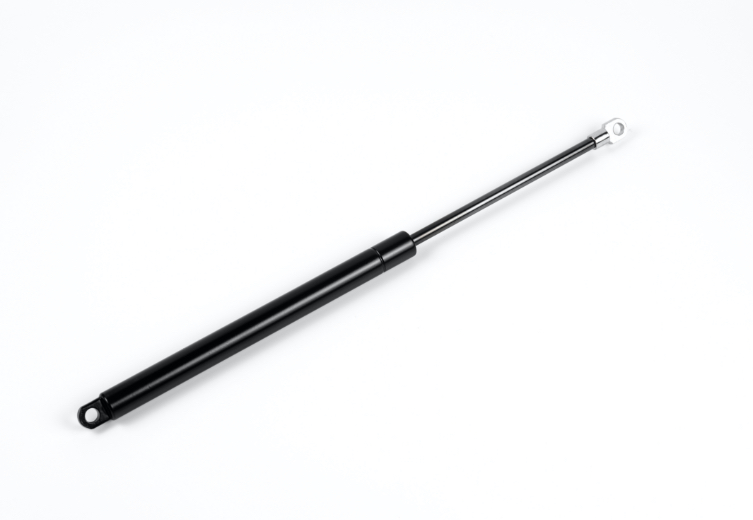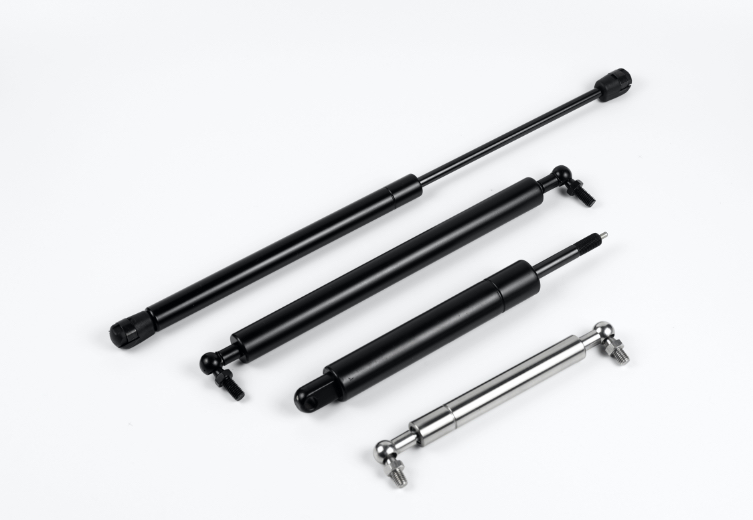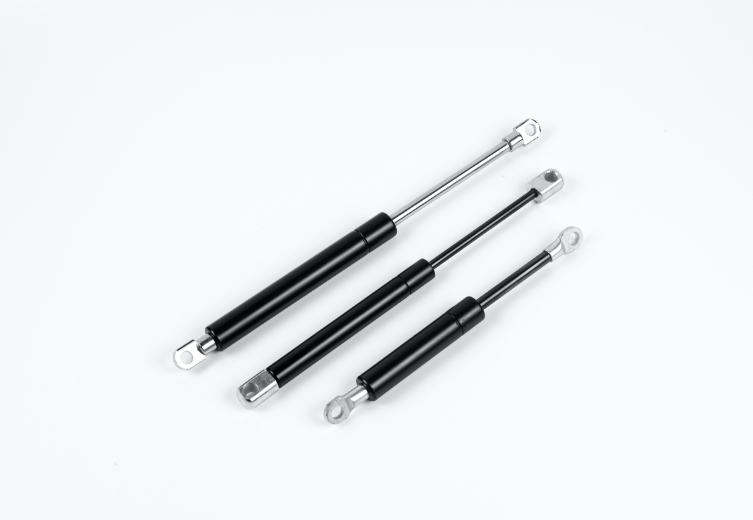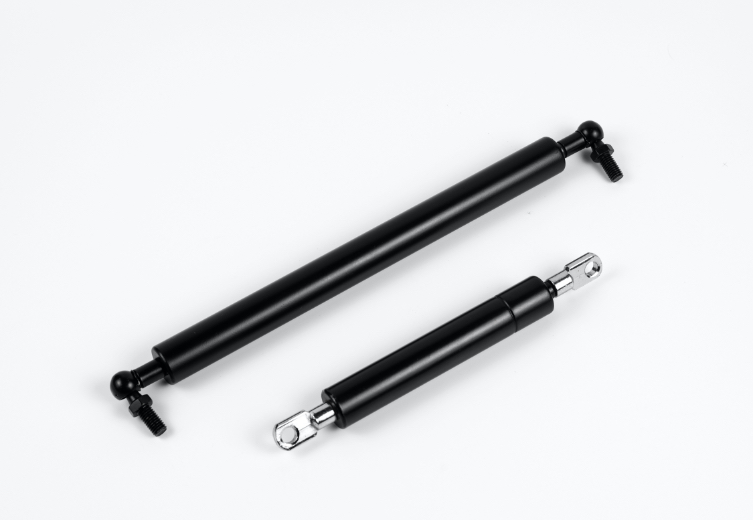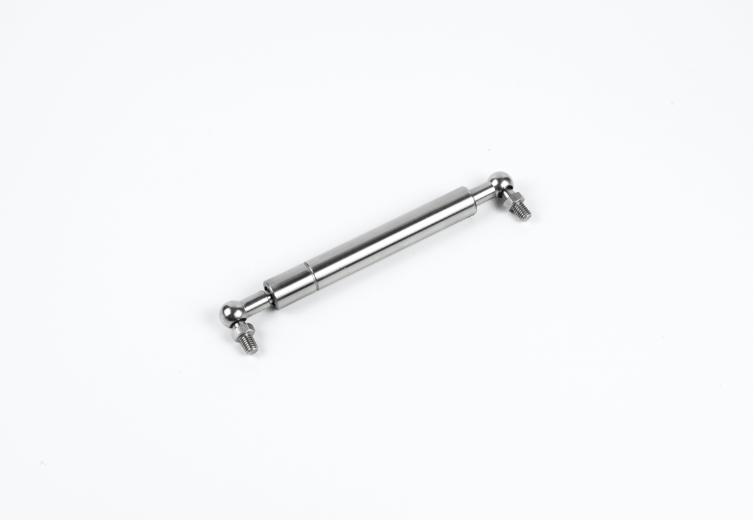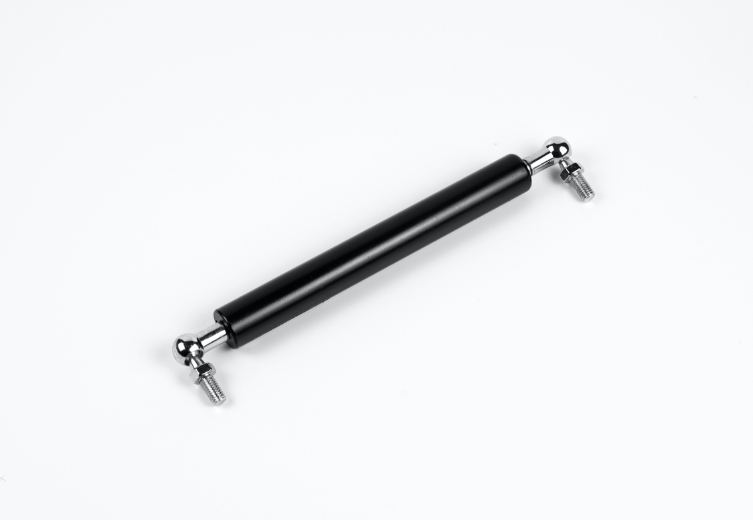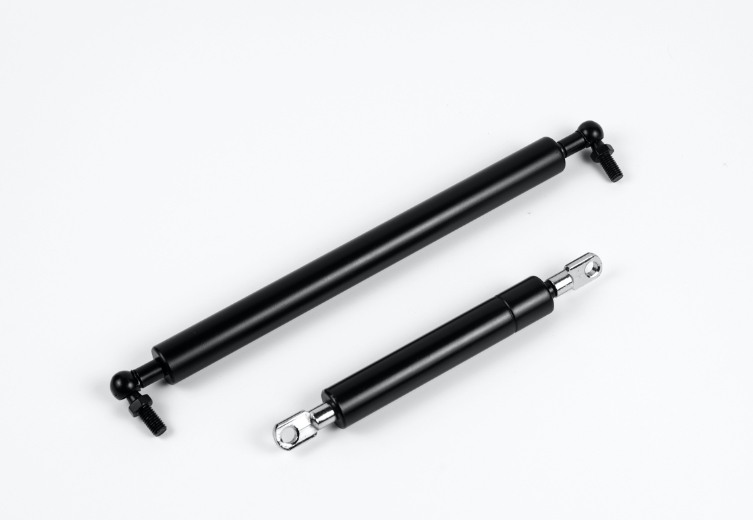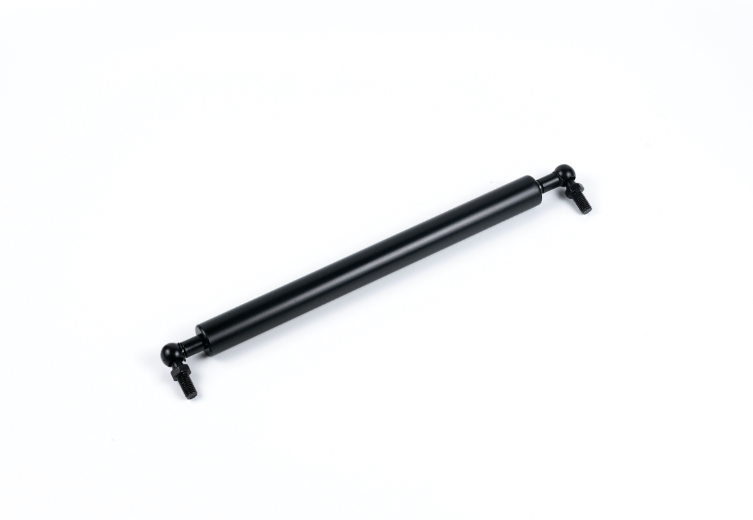



Tension Gas Springs
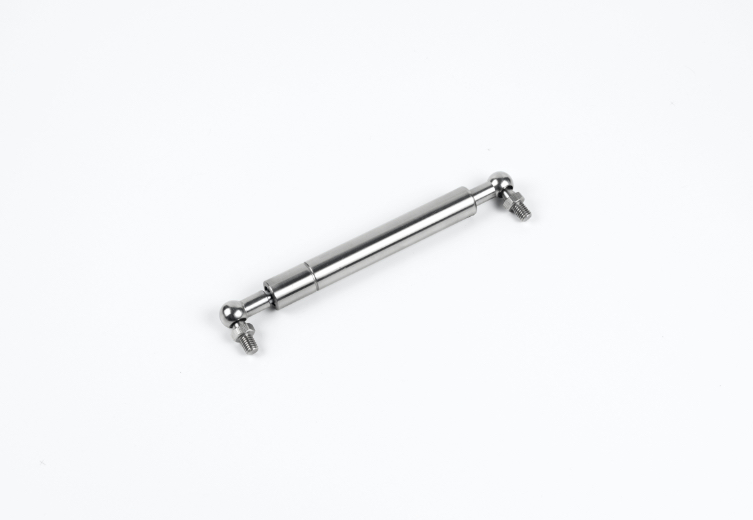
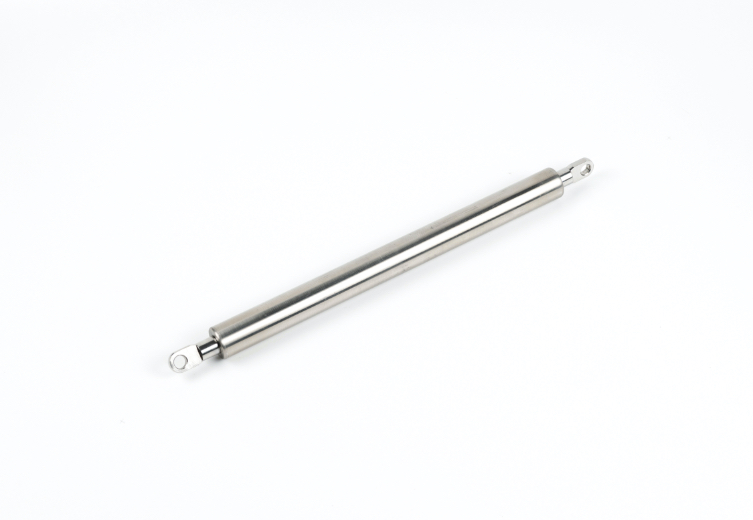
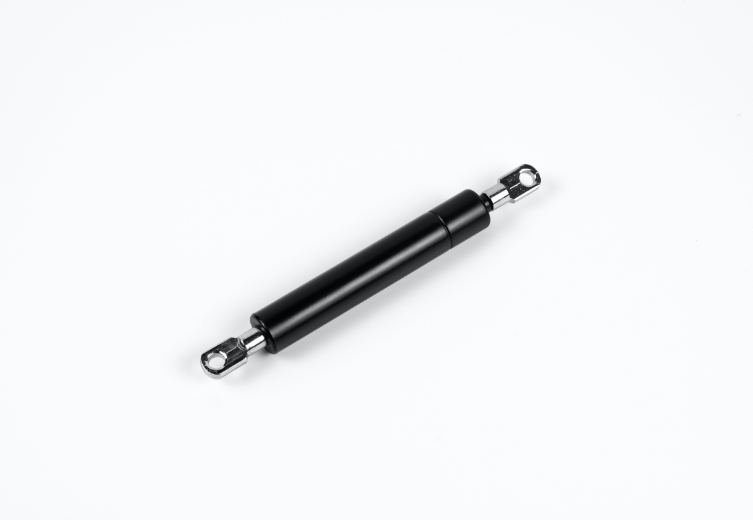
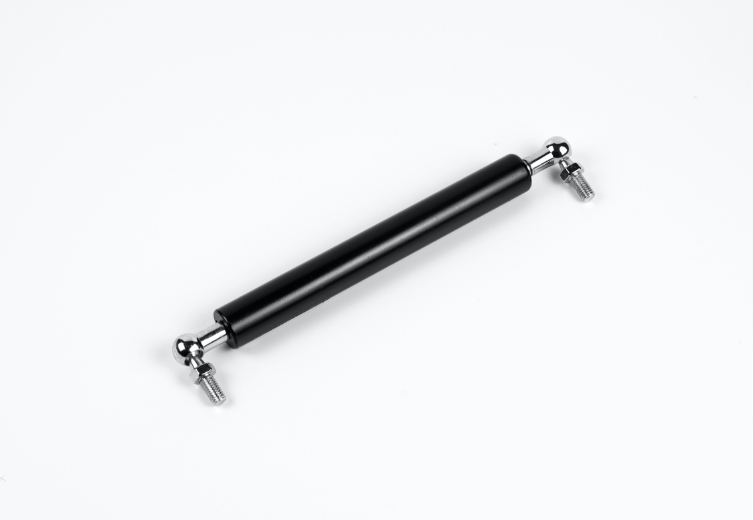
Also referred to astraction gas struts or pulling gas springs, these units operate in the direction opposite of compression gas springs. Mounting constraints often do not allow for the use of compression springs; i.e., doors and access panels hinged horizontally at the bottom and any type of cover or lid that must be pulled open or pulled shut. Tension gas springs also often function as tensioners on mechanical assemblies and belt drives.
How does a tension spring work?
A Tension Gas Spring is what pulls back against an applied force. Tension Gas Spring is designed to stretch when a force is applied, storing energy in the process. Once the force is taken away, the spring goes back to its original shape, releasing the previously stored energy. The Tension Gas Spring functions a bit like that stretching and returning action, which creates a pulling force that we did in garage doors, trampolines, mechanical systems, et cetera. Under tension, the spring force increases, keeping something tight or controlling motion: the tighter the spring, the greater the pull.
What is the difference between a compression spring and a tension spring?
A compression gas spring is meant to compress under force. And it shortens when squeezed, storing energy as it compresses. When the force is eliminated, the spring returns to its regular size, which moves or raises objects. These springs are widely used in mattresses, pens, shock absorbers, etc.
In contrast, a tension spring is meant to elongate under the influence of a force. When stretched, it becomes longer and stores energy as it stretches. After the tension is released, the spring pulls everything closer together as it shrinks. Essentially, a tension spring is a type of spring system that pulls, so you might find them in garage doors, trampolines, or under certain types of cars.
Compression springs compress to store energy and push objects, while tension springs stretch to store energy and pull objects. Compression springs are used in mattresses and shock absorbers, while tension springs are found in systems like garage doors and trampolines.