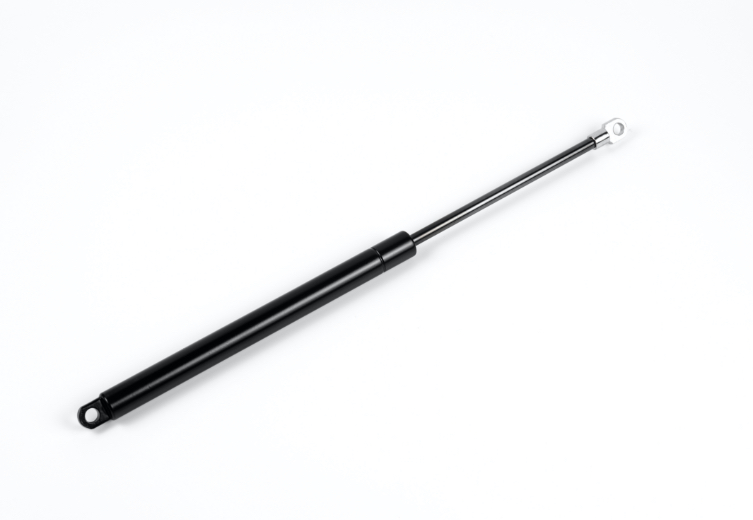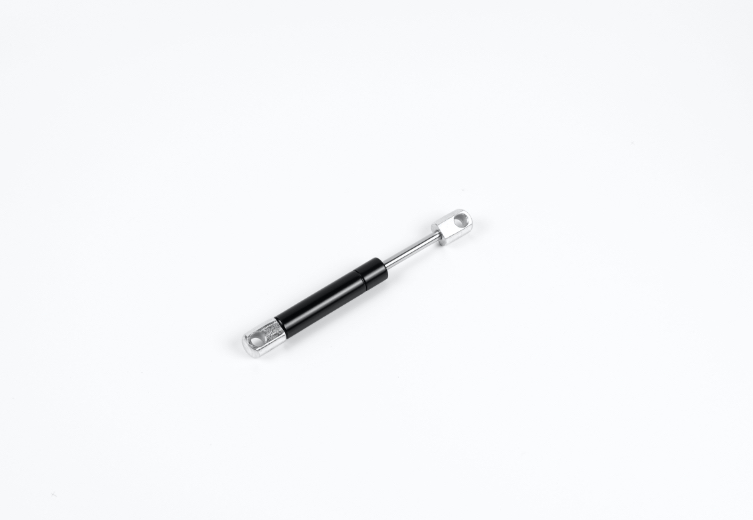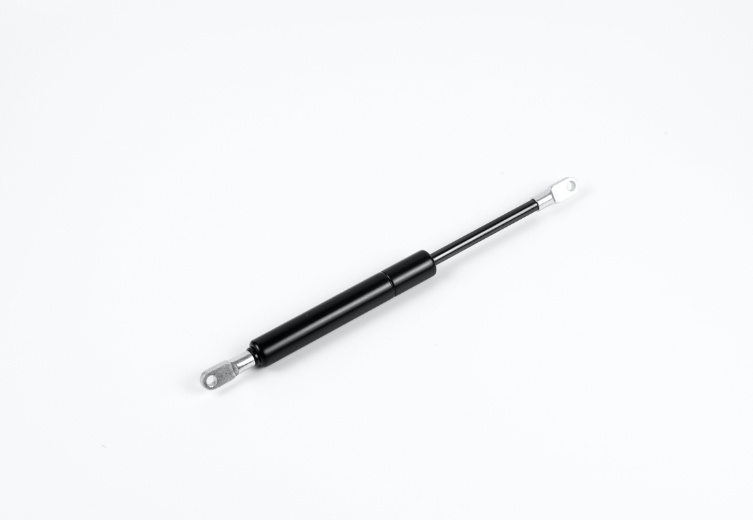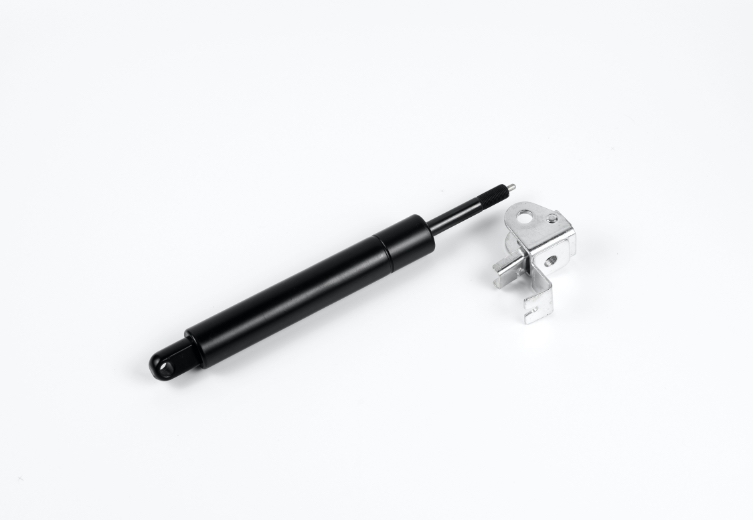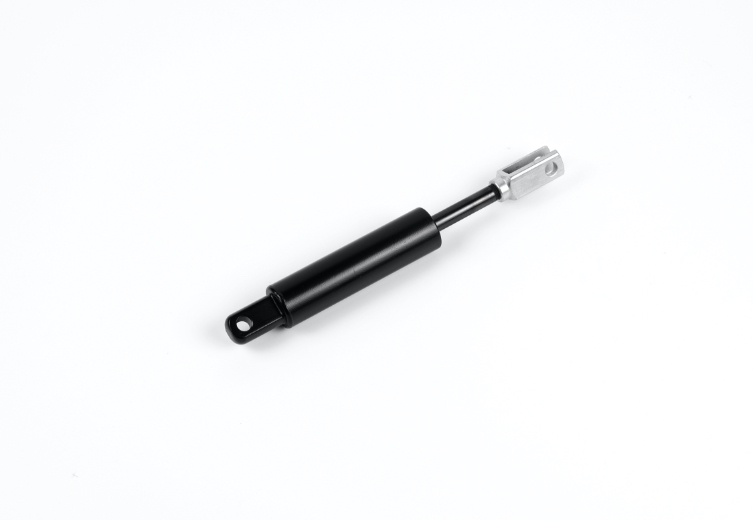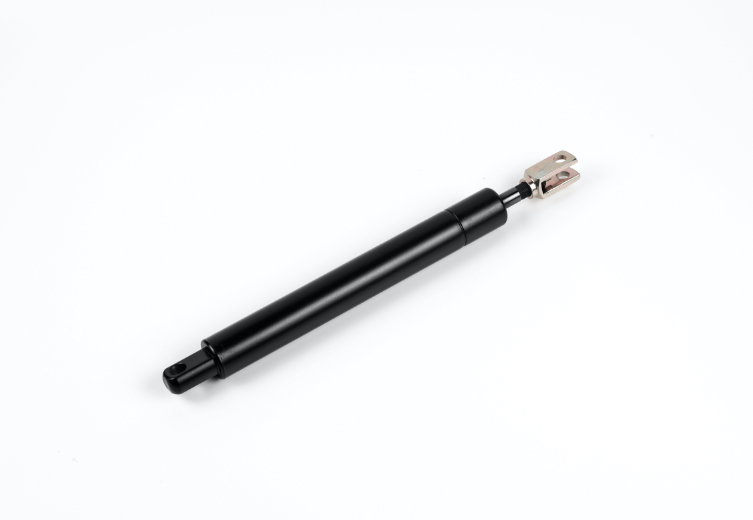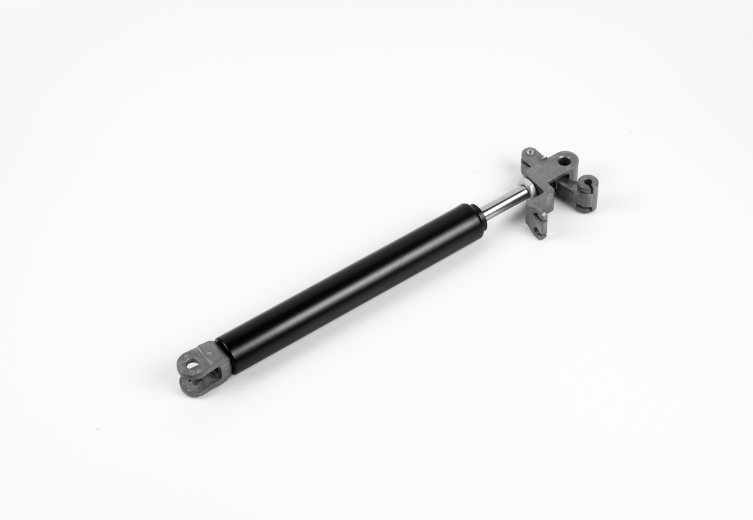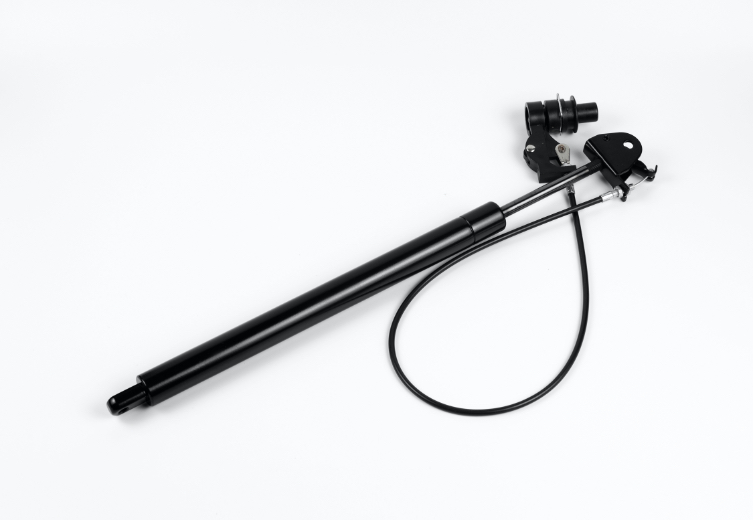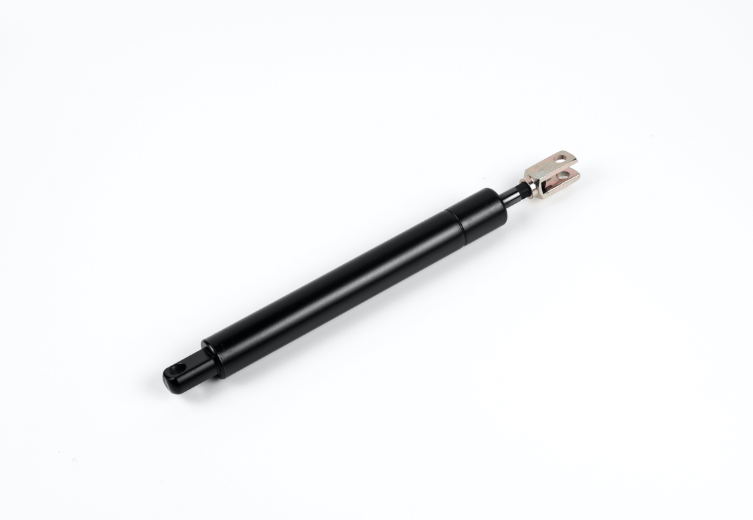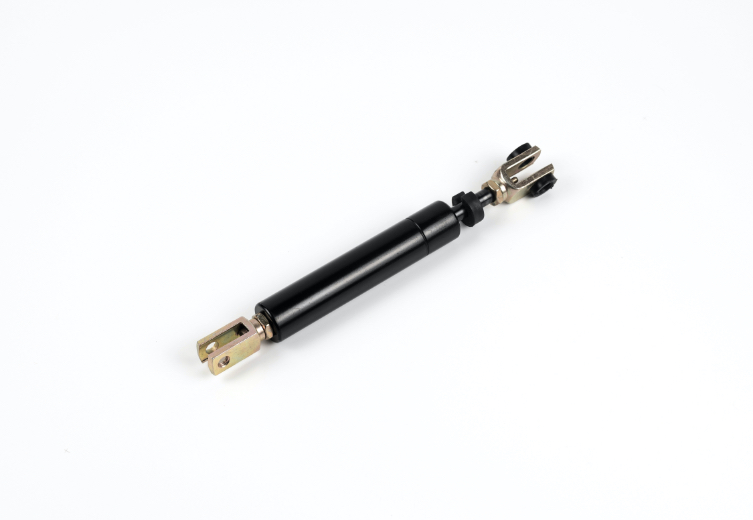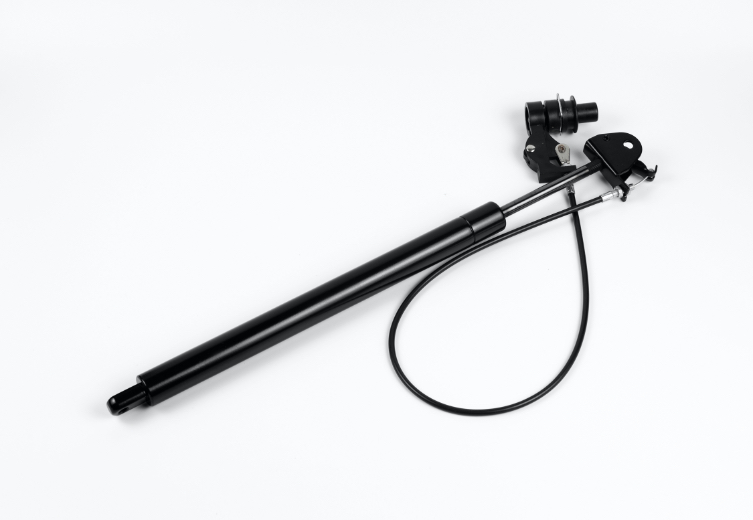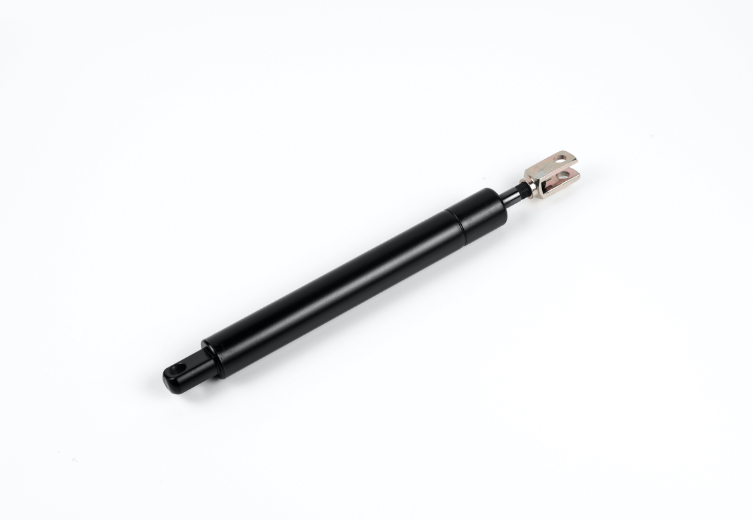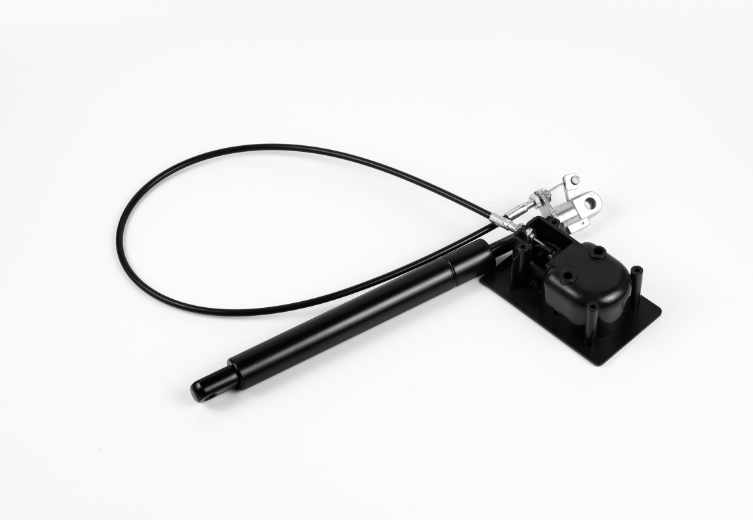





Bus seat Adjustable gas spring application
Adjustable gas springs are commonly used in bus seats to provide smooth seat positioning, comfort for passengers or drivers, and ergonomic adjustment.
Main Applications of Adjustable Gas Springs in Bus Seats
1. Seat Height Adjustment
Allows the driver or passenger seat to move up and down.
Helps drivers achieve the correct driving position and visibility.
Operated by a lever or release handle.
2. Backrest Angle Adjustment
Adjusts the seat backrest reclining angle.
Provides comfortable support during long journeys.
The gas spring locks at any position when the control lever is released.
3. Seat Cushion Tilt Adjustment
Enables adjustment of the seat cushion tilt angle.
Improves ergonomics and posture for drivers and passengers.
Reduces fatigue during long driving hours.
4. Armrest Adjustment
Gas springs help raise or lower the armrest smoothly.
Keeps the armrest stable once positioned.
5. Suspension Seats (Driver Seats)
Used in air-suspension or mechanical suspension seats.
Works together with shock absorbers to reduce vibration from the road.
Advantages of Gas Springs in Bus Seats
Smooth and controlled movement
Easy adjustment with one-hand operation
Reliable position locking
Compact design for seat structures
Long service life with low maintenance
Improved passenger and driver comfort
Typical Gas Spring Specifications for Bus Seats
Force: 300N – 1200N
Stroke: 80 – 250 mm
Installation length: depends on seat design
Type: lockable gas spring or adjustable gas strut
If you want, I can also provide:
A simple diagram of bus seat gas spring installation
Other vehicle seat applications (truck, tractor, construction equipment)
How to calculate the correct gas spring force for seats.