




Understanding Traction Gas Springs in 2026

A traction gas spring gives a special pulling force. It helps you control movement very well. Regular gas springs push, but traction ones pull. This makes them important for jobs where pulling back is needed. You get strong reliability and better safety. You can also choose custom options. Many industries use traction gas spring supplier solutions. They work in many different places.
The global traction gas spring market is $2.4 billion.
Growth is steady at 4.2% each year from 2024. It may grow between 5% and 7% in the next few years.
Here is how traction and Traction gas struts are useful:
Application/Industry | Description |
|---|---|
Heavy Machinery | Used for controlled movement in big machines. They give both push and pull forces. |
Truck Beds | Helps truck beds open and close smoothly. |
Caravans | Makes parts in caravans easy to pull back and use. |
Doors, Hatches, and Lids | Good for closing lids and hatches gently and easily. |
If you need a 100n gas strut or a special type, traction gives smooth and reliable use.
Key Takeaways
Traction gas springs pull things back, not push them out. This makes them good for jobs that need careful pulling in. These springs work well and are safe to use. You can find them in cars, furniture, and medical tools. You can pick how strong the spring is and how far it moves. This helps you get the right spring for your job. Checking and cleaning the springs often helps them last longer. It also keeps them working well. Springs made of stainless steel last longer. They do not rust easily, even in tough places.
Traction Gas Spring Overview
What Is a Traction Gas Spring
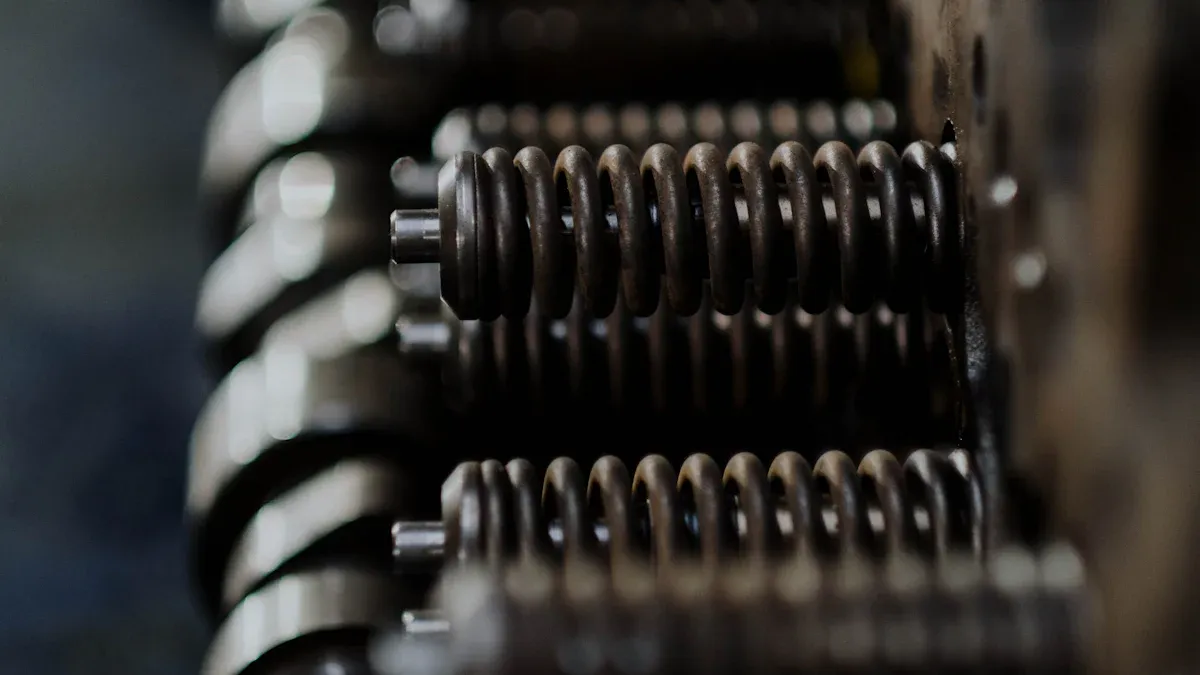
A traction gas spring is used when you need to pull something with control. It has compressed nitrogen gas and hydraulic oil inside a closed cylinder. When you pull the piston rod out, the gas makes a force that pulls the rod back in. This helps you move or hold things exactly where you want. Traction gas springs are not like other springs because they pull instead of push. This pulling feature is helpful in many places, like keeping furniture parts shut or making machines go back to their starting spot.
Gas traction springs are popular because they work smoothly and do not break easily. You can put them in without much trouble, and they are good for spots where you want things to move back softly. They are made to be safe and last a long time, so you can use them every day. Many companies pick gas traction springs because they always work the same way.
Tip: If you want your machines to use less energy, traction gas springs can help. They make it easier to move things and use recycled materials, which saves energy when making them.
How Traction Gas Springs Differ
There are some big differences between gas traction springs and regular gas springs. The main difference is how they move. Regular gas springs push out, but traction gas springs pull in. This special design is great for when you need to keep things closed or folded.
Here are some important ways they are different inside and how they work:
Gas traction springs pull in when you stretch them, but regular gas springs push out.
The parts inside a traction gas spring are set up to help it pull, which is needed for some jobs.
The piston rod stays inside the cylinder until you pull it out. When you let go, it goes back inside.
These things make traction gas springs good for jobs where you need to pull with control. The technology has gotten better lately. Now, companies use strong and light materials like carbon fiber composites. Better seals and smart features, like sensors that check how the spring is working, make them last longer and work better. Making them smaller means you can use them in tight spaces.
Metric | Description |
|---|---|
Force (F) | The force made by a gas spring, measured in Newtons (N). |
Stroke (S) | The farthest a gas spring can stretch and shrink. |
Dimensions (D) | The width and length of the gas spring, important for fitting in machines. |
Characteristic | Description |
|---|---|
Material Advancements | Uses strong, light materials like carbon fiber composites. |
Improved Durability and Reliability | Better seals and inside parts make them last longer. |
Smart Spring Technology | Sensors and electronics check the spring in real time. |
Miniaturization | Smaller gas springs are made for many uses. |
Aspect | Contribution to Sustainability and Energy Efficiency |
|---|---|
Use of Recycled Materials | Using recycled stuff saves up to 95% energy compared to new materials. |
Energy Efficiency in Usage | Needs less energy to work in machines and cars. |
End-of-Life Management | Recycling programs cut down on waste and make sure parts are thrown away safely. |
Certification/Standard | Description |
|---|---|
ISO 9001 | Quality management systems |
ISO 14001 | Environmental management systems |
QS 9000 | Quality system rules for car part suppliers |
ISO/TS 16949 | Quality management for making and fixing car parts |
You get a lot from these new ideas because gas traction springs last longer and work better, even in tough places. You also help the planet by picking products that use recycled materials and support recycling. When you choose a traction gas spring, you know it follows strict rules for quality and safety, like ISO 9001 and ISO 14001.
Gas traction springs give you choices, work well, and are good for the environment. You can get them made just for you, and you can feel good knowing they meet industry rules.
Gas Traction Springs: Specs & Performance
Force, Stroke, and Damping
You need to know how gas traction springs work before you choose one for your project. These springs give you precise movement control. You can pick the right force and stroke for your needs. The force tells you how strong the spring pulls. The stroke shows how far the spring can move. Damping helps slow down the motion, making everything smoother and safer.
Here is a table that shows common sizes, stroke ranges, force ranges, and materials for traction gas springs in 2026:
Size | Stroke Range | Force Range | Materials |
|---|---|---|---|
6/18 | 30 – 300 mm | 100-600 N | Steel / Stainless |
8/23 | 30 – 400 mm | 200-1000 N | Steel / Stainless |
10/28 | 30 – 500 mm | 300-1112 N | Steel / Stainless |
14/40 | 50 – 500 mm | 500-3500 N | Steel / Stainless |
You can see that gas traction springs offer a wide range of choices. This helps you match the spring to your exact application.
Compact Design & Noise Reduction
Gas traction springs have a compact design. This means you can fit them into tight spaces. The small size does not reduce their power. You still get strong traction and reliable performance. The compact design also helps reduce noise. The internal pressure mechanism works quietly. You will notice less vibration and less sound compared to standard gas springs. This makes your machines run smoother and quieter.
Tip: If you want a quiet workspace or need to lower noise in your equipment, choose gas traction springs for better results.
Customization Options
You can customize gas traction springs to fit your needs. You can select the force, stroke length, and end fittings. This makes it easy to use them in many different places. Here is a table that shows what you can change:
Customization Aspect | Details |
|---|---|
Force | Ranges from 50N to 2000N, so you can match the load exactly. |
Stroke Length | Customizable from 30 to 1000mm, fitting your specific requirements. |
End Fittings | Over 15 connector styles for easy mounting. |
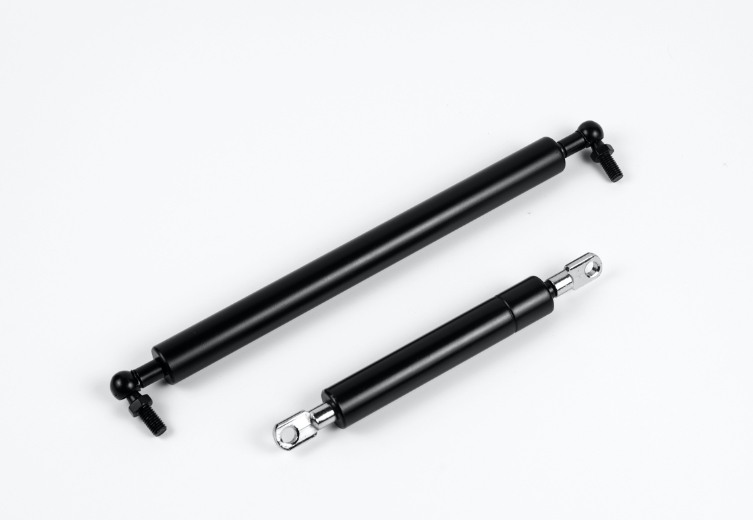
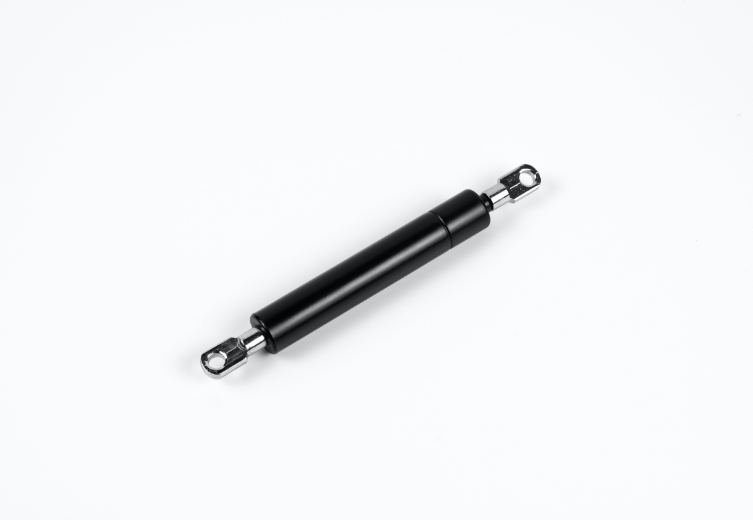
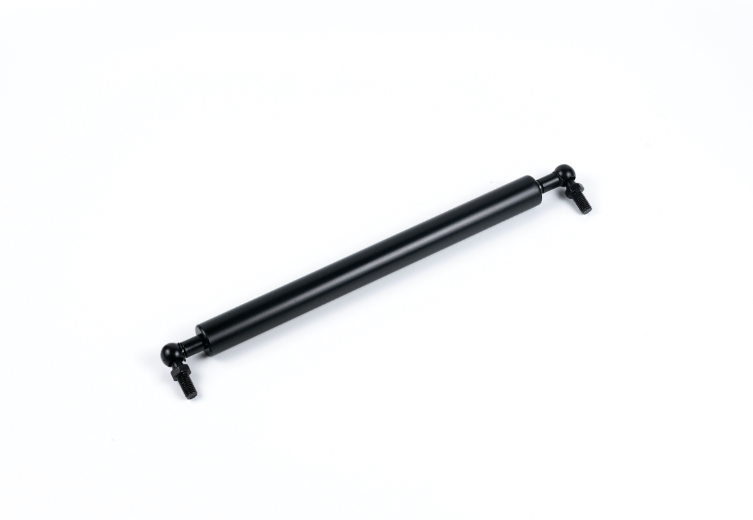
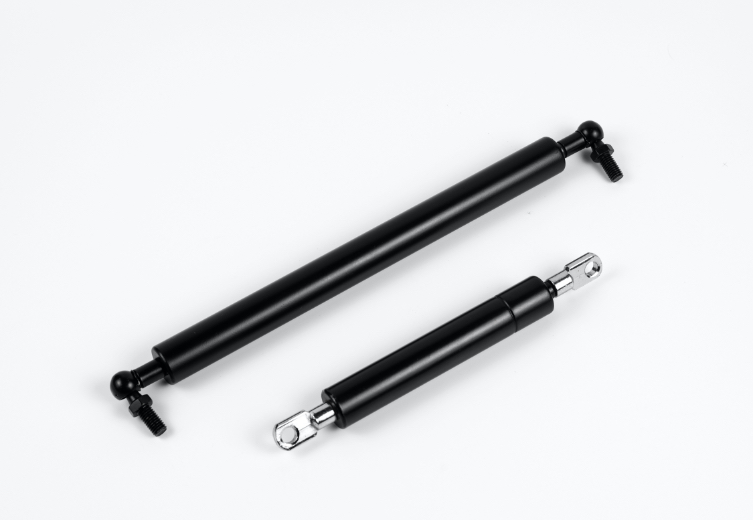
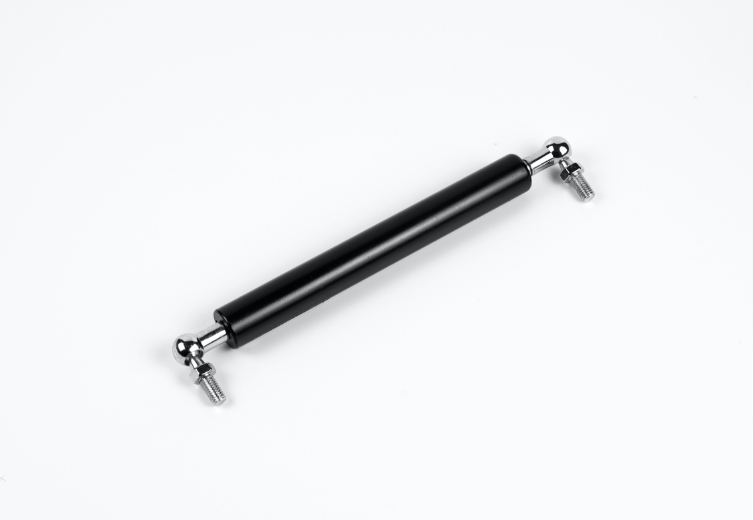
Common end fittings include ball joints, clevis, and eyelets. You can pick the style that works best for your project.
If you want the best specs and performance, look for a traction gas spring supplier with experience. Ju Teng stands out because it offers a wide range of options and strong customization support. You get reliable traction, high-quality materials, and expert help for your application.
Gas traction springs give you flexibility, quiet operation, and precise movement control. You can trust them to improve your machines and products.
Applications of Traction Gas Springs
Industrial & Automation
You can find gas traction springs in many factories. These springs help machines move safely and with care. They are used in systems that pull machine parts back. For example, the ACE Controls’ GS-28-450 pull-type gas spring holds the X-ray arm in place. This shows how traction gas springs work in both factories and hospitals. Gas traction springs make movement smooth and gentle. This keeps machines safe and working well. The steady pulling force helps you control machines better. This is important if you use them a lot. Picking the right traction gas spring makes your factory safer and more efficient.
Note: People use these springs in building machines, electronics, and test tools. You get better control and less chance of sudden moves.
Some common uses in factories are:
X-ray arms that move
Conveyor belts
Packing machines
Robots
Automotive & Furniture
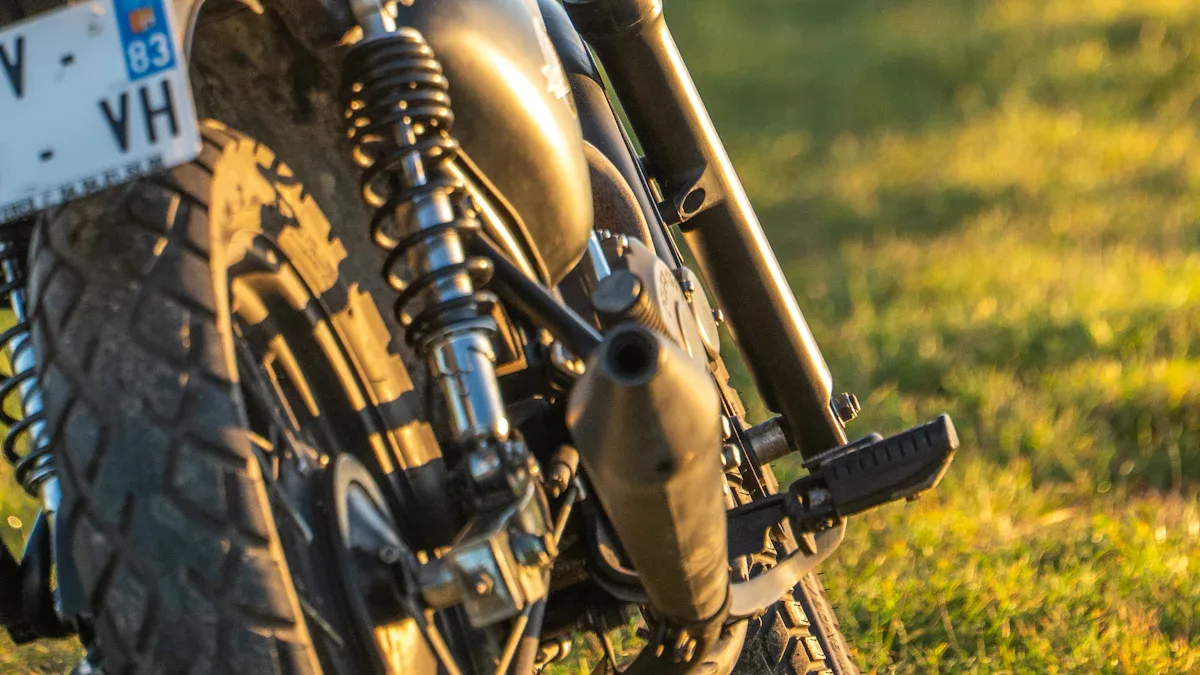
Traction gas springs are used in cars and furniture. These springs help you open, close, and move parts easily. They make cars and furniture safer and simpler to use.
Here is a table that shows where they are used:
Application Area | Specific Uses |
|---|---|
Automotive | Tailgates, hoods, doors, sunroofs, convertible roofs |
Furniture | Recliners, office chairs, adjustable beds |
You see traction gas springs in car tailgates and hoods. They help you lift and lower these parts without trouble. In furniture, they let you move recliners and beds for comfort. These springs make daily jobs easier and safer.
Medical & Test Equipment
Gas traction springs are important in medical tools and lab equipment. You see them in hospital beds, exam tables, and surgery lights. They help you move things smoothly and safely.
Here are some common uses:
Hospital beds and exam tables
Surgery lights
Artificial limbs
Rehab devices
These springs give safety and comfort. Lockable gas springs let patients change bed positions for comfort. The lock keeps beds steady and stops falls. Nurses and doctors can care for patients more easily. Rehab tools use these springs for safe and careful movement.
Benefit | Description |
|---|---|
Patient Comfort | Lets patients find comfortable positions easily. |
Ease of Care | Makes work easier for healthcare providers. |
Safety | Keeps beds stable and reduces accidents. |
Flexibility | Adapts to different patient needs and procedures. |
Gas traction springs help many types of work. You see their value in factories, cars, furniture, and hospitals. They are useful and can be trusted for many jobs.
Lockable Gas Traction Springs & Materials
Lockable Models: Benefits
Lockable gas traction springs help you control and keep things safe. These springs let you lock items in place. You can move things and then stop them where you want. This gives you flexible and steady support. You can use them for many jobs, like raising chairs or holding worktops still. Lockable models make it easy to move things and keep them in the right spot.
Here is a table that shows the main benefits of lockable models:
Benefit | Description |
|---|---|
Flexible positioning | You can set objects elastically or rigidly. |
Weight compensation | Helps balance weight during lifting and lowering. |
Locking | Locks in place when extended or compressed. |
Installation | Works in any orientation. |
Control and flexibility | Gives you control over movement and position. |
Safety and stability | Keeps objects secure at certain angles or heights. |
Cost-effective and eco-friendly | Does not need extra force or energy to lock. |
Maintenance | Needs little maintenance. |
Long-lasting | Lasts longer than other spring types. |
You see lockable gas traction springs where safety and accuracy are important. They are used in chairs that change height, worktops that lock, and beds in hospitals. In healthcare, these springs help with beds, chairs, imaging tables, and rehab tools. They move quietly and smoothly. You also get very exact movement.
Stainless Steel vs. Standard
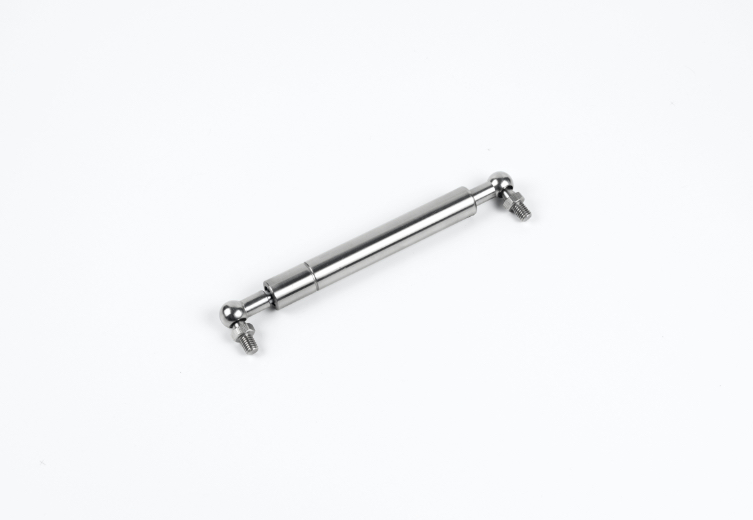
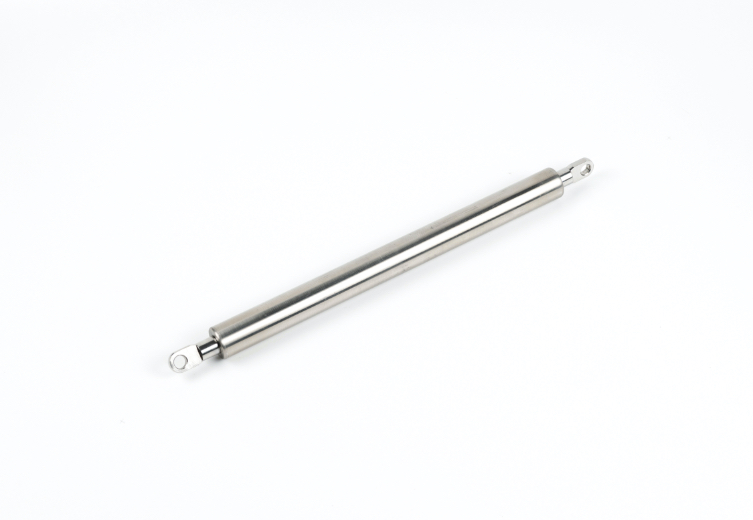
It is important to pick the right material for your traction gas spring. Stainless steel models are strong and do not rust easily. They work well in places like hospitals or near the ocean. Standard traction gas springs use regular steel. These are good for jobs that are not as hard.
Here is a table that compares stainless steel and standard models:
Feature | Stainless Steel Gas Springs | Standard Traction Gas Springs |
|---|---|---|
Corrosion Resistance | High, protective layer | Lower, less effective in tough conditions |
Durability | Strong, anti-fatigue, stable | Less durable, not for extreme use |
Temperature Range | -50°C to +300°C, stays stable | Limited range |
Service Life | Million-cycle life, good for frequent use | Shorter life, less reliable under stress |
Stainless steel springs last longer and need less care. Other materials are used too, like aluminum for lighter weight. EPDM synthetic rubber is used for seals. Polyurethane makes seals last longer. Chrome plating helps protect springs in places that can cause rust.
Tip: Pick stainless steel if you need your spring to last in wet or rough places.
Installation & Care
Safe Installation Tips
You want your traction gas spring to work safely and last a long time. Start by checking that your gas spring is designed for traction forces. Never use a standard gas spring for pulling tasks. Before you begin, inspect the spring for leaks or damage. If you see any problems, do not install it.
Here are some important safety tips for installation:
Always wear safety glasses and gloves to protect yourself.
Use special compression tools to handle the gas spring safely.
Allow a 10% margin to the standard stroke. This helps reduce shock and keeps the spring working smoothly.
Apply pressure slowly and in a controlled way. This prevents sudden gas release.
Avoid using too much force during installation.
Never exceed the manufacturer’s recommended compression limits.
Use extra locking mechanisms if the spring is in a place where failure could cause harm.
Make sure all parts are tight and secure before you finish.
Tip: Double-check that the gas spring is not leaking before you use it. A small leak can cause big problems later.
Maintenance & Troubleshooting
Regular care keeps your traction gas spring working well. You should look for signs of wear or damage often. Clean the rod surface to remove dirt or corrosion. This helps the spring move smoothly.
Follow these steps to maintain your gas spring:
Inspect the rod for scratches, rust, or dirt. Clean it with a soft cloth.
Check all mounting hardware. Tighten connections to the correct torque.
Watch for changes in how the spring works. If it feels weak or rough, it may need attention.
Replace the gas spring after a set number of cycles or if you notice problems.
Keep a record of when you install and inspect each spring.
If you notice any issues, act quickly. Early action can prevent bigger problems and keep your equipment safe.
Traction gas springs pull instead of push. They work well and last a long time. You can control machines better and keep them safe. These springs are safer than regular ones. If you know the specs and features, you can pick the best spring. This helps your machines run safely and smoothly. You can change the force and stroke to fit different jobs. Installing them the right way stops leaks and keeps the seal strong. In 2026, traction gas springs are very important. They help make cars safer and more comfortable. They use smart sensors to work even better. They also help meet new safety rules and fit more uses:
Cars are safer and more comfortable.
Smart sensors help springs work better.
New rules are easier to follow and more jobs use these springs.
FAQ
What is the main difference between a traction gas spring and a standard gas spring?
You use a traction gas spring when you need a pulling force. Standard gas springs push outward. Traction gas springs pull inward. This makes them perfect for applications where you want controlled retraction.
Can I customize the force and stroke of my traction gas spring?
Yes, you can choose the force and stroke to fit your needs. Many suppliers offer a wide range of options. You pick the right size, force, and end fittings for your project.
Where do you commonly use traction gas springs?
You find traction gas springs in cars, furniture, medical equipment, and industrial machines. They help with smooth movement, controlled retraction, and safe positioning in many products.
How do I maintain a traction gas spring?
You should inspect the rod for dirt or damage. Clean it with a soft cloth. Check all connections. Replace the spring if you see leaks or if it feels weak. Regular care keeps your spring working well.
Are stainless steel traction gas springs better for outdoor use?
Yes, stainless steel traction gas springs resist rust and corrosion. You should use them in wet or harsh environments. They last longer and need less maintenance outdoors.
Recent News
1.Gas Struts - What is a Gas Strut
2020-08-242.Six Advantages Of Stainless Steel Gas Spring
2024-10-243.benefits of our compression gas springs
2024-11-024.Gas Spring Working Function
2024-08-175.How is The Corrosion Resistance Of Stainless Steel Gas Springs?
2024-11-286.What Is The Purpose Of A Gas Spring?
2024-12-067.Applications Of Stainless Steel Gas Spring
2024-11-19