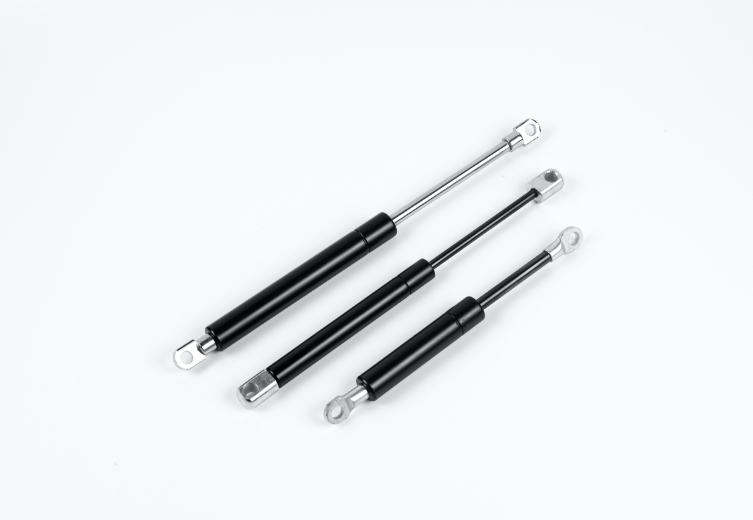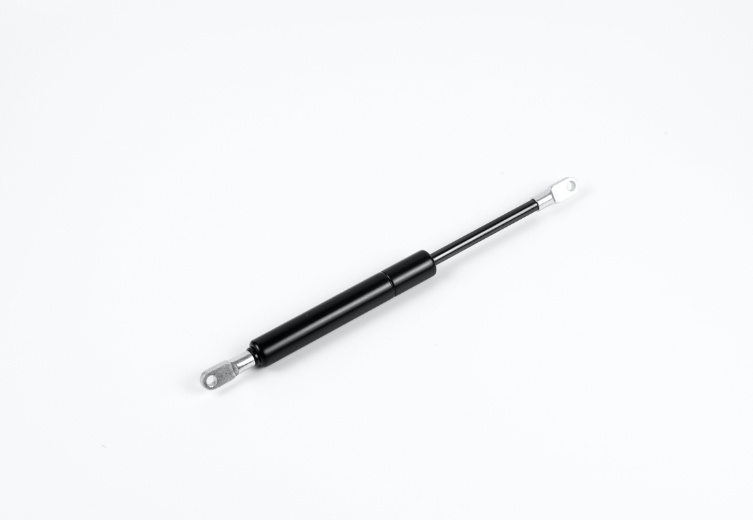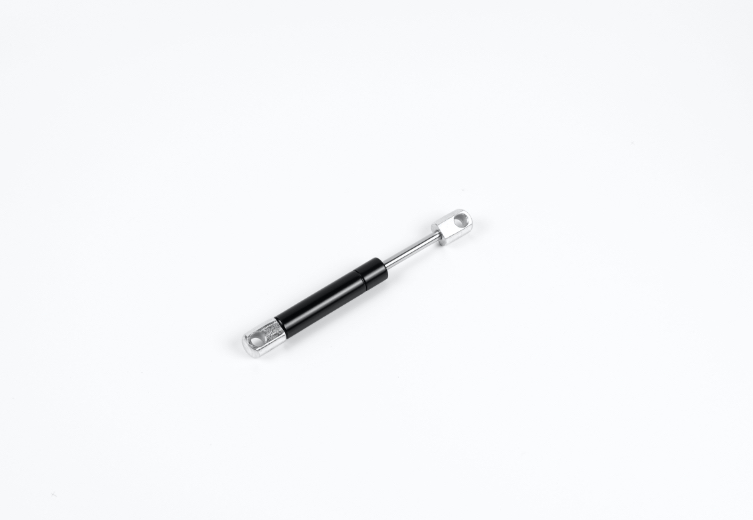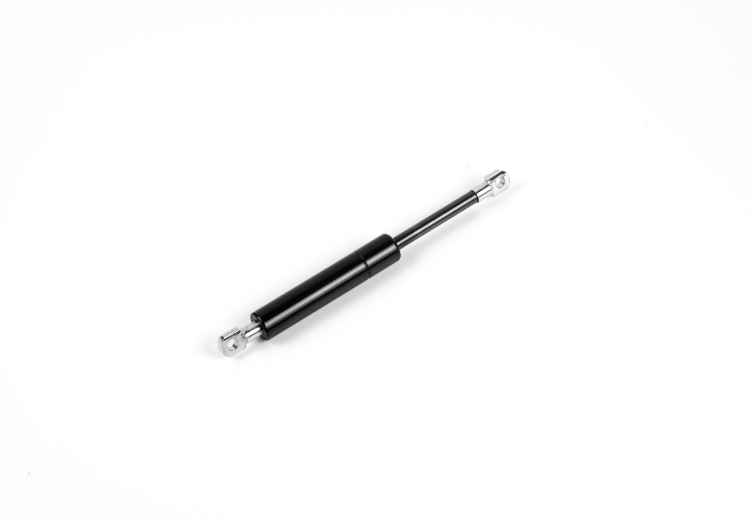





Gas struts working environment
When we think about gas struts—also known as gas springs—most of us imagine car trunks or office chairs. But behind these smooth-acting mechanisms lies a world of engineering, materials science, and environmental considerations that determine how well they perform in real-life applications. Whether you're a manufacturer, an engineer, or simply someone trying to understand how gas struts behave under different conditions, this guide breaks it all down in the simplest way possible.
In this in-depth article, we’ll explore how gas struts interact with various working environments, what affects their performance, and what you should consider when selecting or installing them. So, ready to dive in? Let’s pop the hood and take a look!

What Are Gas Struts and Why Does the Working Environment Matter?
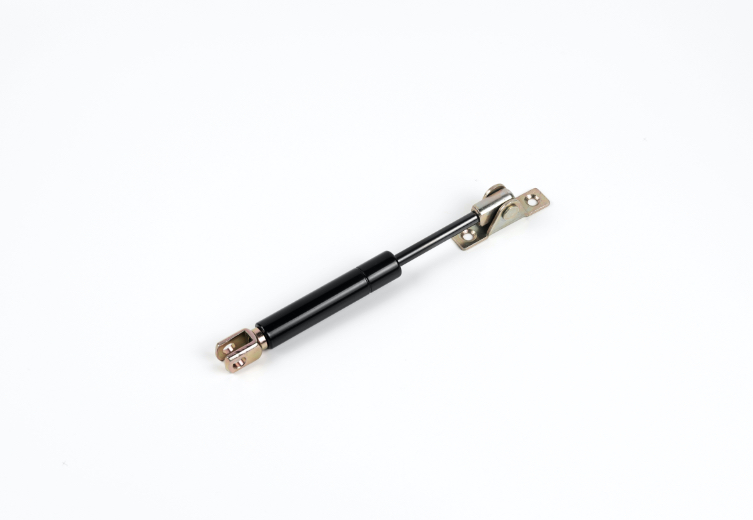
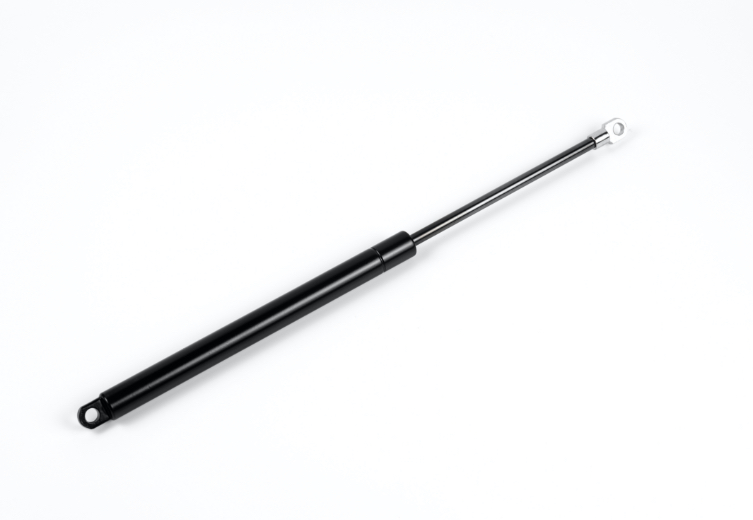
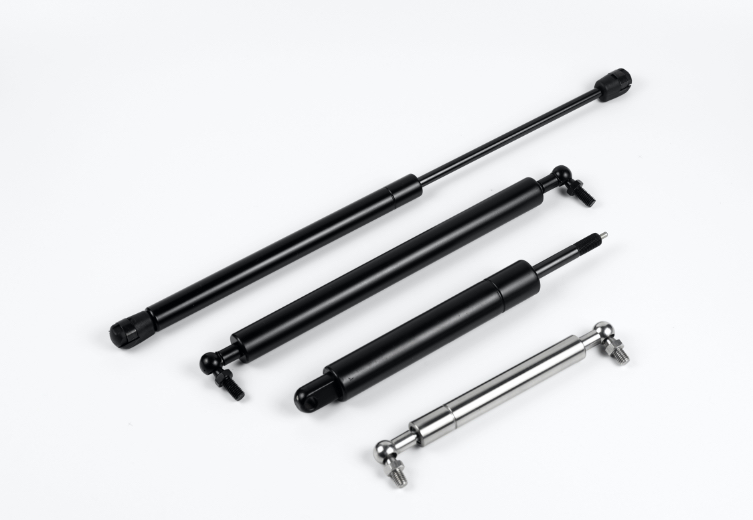
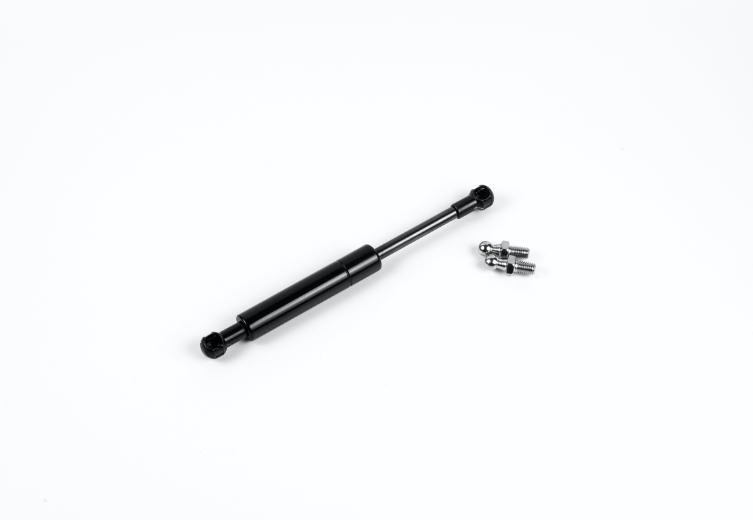
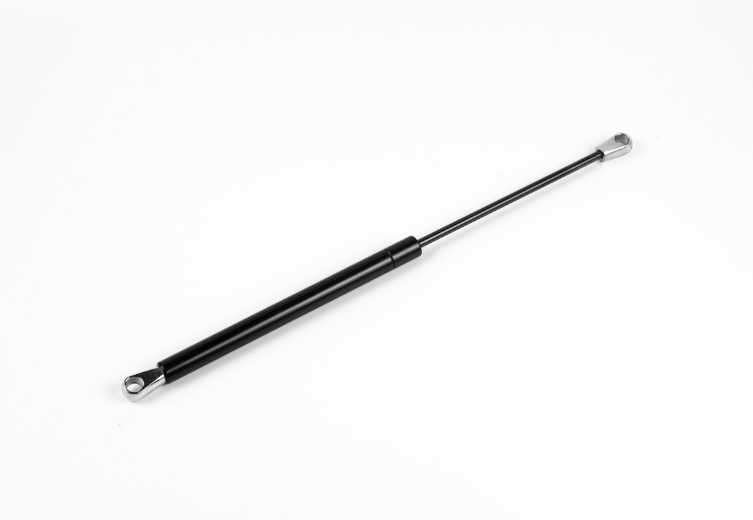
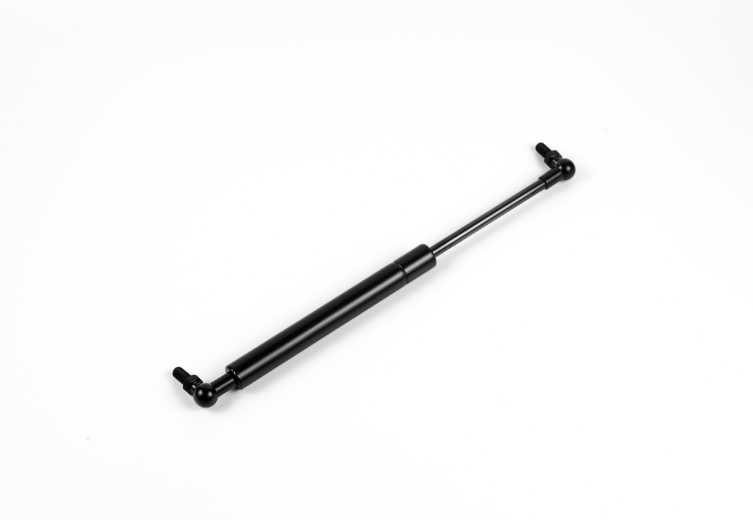
Gas struts are mechanical devices that use compressed gas, typically nitrogen, along with a lubricating oil to provide controlled motion, lifting assistance, damping, or force management. They’re used in hundreds of industries—from automotive and aerospace to furniture, manufacturing, and medical equipment.
But here's the kicker:
A gas strut is only as good as the environment it works in.
Just like how humans perform differently in hot deserts vs. freezing mountains, gas struts respond to temperature, humidity, chemicals, pressure, and mechanical stress. Choosing the right strut for the right environment can mean the difference between smooth, reliable movement and a mechanical disaster.
Ideal Working Conditions for Gas Struts
1. Optimal Temperature Range
Temperature is one of the biggest influencers on gas strut performance.
Ideal Range
Most standard gas struts operate best between:
–20°C to +80°C (–4°F to +176°F)
Why does this matter?
High temperatures increase internal gas pressure → strut becomes stronger
Low temperatures decrease pressure → strut feels weaker
Extreme temperatures affect the oil viscosity → changes damping behavior
If you’ve ever opened a car trunk on a cold winter day and it felt heavier… now you know why.
Solutions
For unusual climates, manufacturers offer:
High-temperature gas struts (up to 200°C)
Low-temperature struts (as low as –40°C)
Special oil formulations for consistent damping
2. Humidity and Moisture Exposure
Moisture can corrode metal components, compromise seals, and shorten a strut’s lifespan.
Risks in humid environments
Rust formation
Pitting on the piston rod
Seal deterioration
Gas leakage
Best Use Cases
Gas struts perform best in environments where humidity is controlled.
Solutions for Wet or Damp Environments
Stainless steel gas struts (304 or 316 grade)
Nickel-plated or epoxy-coated finishes
Marine-grade seals
Optional dust/water covers
These are ideal for:
Marine applications
Outdoor furniture
Boat hatches
Food processing areas
3. Dust, Dirt, and Particulate Conditions
Dust and debris can damage the piston rod surface—leading to seal failure and gas leakage.
High-risk environments
Construction sites
Agricultural machinery
Woodworking shops
Mining equipment
Solutions
Wiper seals that remove debris
Protective boots or bellows
Nitride-coated piston rods
Frequent cleaning/maintenance
Think of these as giving the strut a protective jacket in tough conditions.
4. Chemical Exposure
Gas struts installed in industrial, medical, or laboratory environments may encounter:
Solvents
Acids
Cleaning agents
Oils
Corrosive chemicals
These can damage the rod, cylinder, or seals.
Best Materials for Chemical-Heavy Environments
316 stainless steel
Viton seals
Teflon-coated components
Custom chemical-resistant finishes
5. Indoor vs. Outdoor Use
Indoor Conditions
Gas struts in indoor environments enjoy:
Stable temperatures
Minimal corrosion
Limited UV exposure
Common uses:
Machinery
Office chairs
Cabinets
Hospital beds
Outdoor Conditions
Outdoor applications introduce:
Rain
Snow
UV exposure
Saltwater
Temperature swings
Outdoor-safe materials
Stainless steel
UV-stable paints
Heavy-duty rod coatings
Waterproof seals
Gas Struts in Specialized Working Environments
1. Automotive Environments
Gas struts are used in:
Trunks
Hoods
Tailgates
Seat adjusters
Environmental Challenges
Heat from the engine
Road salt
Vibration
Dirt and mud
Automotive-grade struts are designed with:
Anti-corrosion coatings
Reinforced seals
High damping stability
2. Marine and Coastal Environments
Saltwater is extremely corrosive.
Threats
Rust
Seal degradation
Piston rod pitting
Required Materials
316 stainless steel
Marine-grade seal systems
Anti-corrosion gas/oil formulation
Applications include:
Boat hatches
Engine enclosures
Dock equipment
3. Food and Pharmaceutical Processing Environments
These industries require equipment that’s:
Hygienic
Easy to clean
Resistant to chemical sanitizers
Threats
Acidic cleaning solutions
High humidity
Frequent washdown cycles
Solutions
Stainless steel gas struts
NSF-approved lubricants
Smooth, crevice-free designs
4. Extreme Temperature Environments
Some industries push gas struts to their limits:
Freezers and refrigeration
Smelting and foundries
Aerospace
Firefighting equipment
Performance in Cold Conditions
Oil thickens → slower motion
Nitrogen pressure drops → weaker force
Performance in High Heat
Pressure rises → stronger but unstable force
Oil thins → too little damping
Solutions
Silicone-based oils
High-pressure steel cylinders
Heat-resistant paints
Low-temperature gas blends
Environmental Factors that Directly Impact Gas Strut Lifespan
1. UV Exposure
Direct sunlight degrades seals over time.
2. Vibration and Shock
Used in:
Heavy machinery
Agricultural equipment
Off-road vehicles
High vibration can damage the valve system or rod seal.
3. Pressure Fluctuations
In high-altitude environments, gas pressure behaves differently.
4. Misalignment or Incorrect Mounting
Environmental stress + mechanical stress = early failure.
How to Choose the Right Gas Strut for Your Working Environment
1. Identify environmental factors
Ask yourself:
Will the strut be exposed to moisture?
Will chemicals be present?
Will temperatures fluctuate?
How about vibration or UV exposure?
2. Select appropriate materials
Standard steel → indoor, low corrosion
Stainless steel → outdoor/marine/food
Carbon-nitride coated rods → industrial environments
3. Choose the right seals
Seal type matters more than most people realize.
NBR seals → general use
Viton → chemicals/high heat
EPDM → steam or acidic cleaners
4. Pick oil type carefully
High-performance oils provide better:
Temperature tolerance
Damping control
Longevity
5. Consider load and movement
Force ratings must match:
Lid weight
Operating angle
Speed requirements
6. Always match the strut to the real environment
A gas strut designed for indoors may fail outdoors—even if the load is light.
Maintenance Tips to Extend Gas Strut Life in Harsh Environments
Clean piston rods regularly
Avoid scratching the rod surface
Add protective bellows in dusty areas
Use rust-inhibitors (for non-stainless models)
Lubricate pivot points
Inspect seals twice a year
Think of it like maintaining your car—small upkeep, big benefits.
Common Problems in Poor Working Environments
| Problem | Cause | Solution |
|---|---|---|
| Weak strut performance | Cold temperatures or gas leakage | Use low-temp oil or replace seals |
| Rust on cylinder | Moisture, saltwater exposure | Switch to stainless steel |
| Jerky motion | Dirty piston rod or worn seals | Clean rod, replace seals |
| Oil leakage | Chemical corrosion or extreme heat | Use Viton seals/high-temp oil |
| Premature failure | Misalignment or wrong strut type | Proper mounting, environment-matched struts |
Why Working Environment Should Be Considered in Gas Strut Selection
Because the environment shapes:
Performance
Reliability
Safety
Longevity
Cost-effectiveness
A cheap strut that fails early is far more expensive than a high-quality, environment-matched option.
Gas Struts Working Environment: Real-World Examples
1. Cold Storage Freezer
Temperature: –25°C
Standard strut failed within weeks
Switched to low-temp gas/oil → problem solved
2. Outdoor Construction Equipment
High dust levels
Rod scratches due to debris
Solution: nitride-coated rods + bellows
3. Chemical Plant
Exposure to solvents
Rubber seals degraded
Upgraded to Viton seals and stainless body
Conclusion
The gas struts working environment is one of the most important factors in choosing the right gas spring for your application. Temperature, humidity, chemicals, dust, vibration, and UV exposure all have a significant impact on how long a strut lasts—and how well it performs.
By understanding the environmental conditions and selecting the right materials, seals, coatings, and oils, you can ensure your gas struts deliver smooth, reliable, long-lasting performance. Whether you're designing industrial machinery, outfitting automotive systems, or building equipment for harsh outdoor conditions, choosing the correct strut for the environment is the key to durability and safety.
FAQs
1. Can gas struts be used outdoors?
Yes, as long as the right materials are chosen—preferably stainless steel with protective seals and coatings.
2. Do gas struts work in cold weather?
Yes, but performance decreases. Low-temperature oils and specialized seals are recommended.
3. What causes gas struts to rust?
Humidity, water exposure, and salt. Using coated or stainless struts prevents corrosion.
4. Can gas struts handle chemical exposure?
Only if built for it. Use 316 stainless steel and Viton seals for chemical environments.
5. Why does a gas strut feel weaker in winter?
Low temperatures reduce nitrogen gas pressure, making the strut feel less powerful.
6. Do gas struts need maintenance?
Minimal, but regular cleaning and inspection significantly increase lifespan.
7. What’s the best gas strut material for marine environments?
316 marine-grade stainless steel with corrosion-resistant seals.
8. Can UV light damage gas struts?
Yes, prolonged UV exposure can wear out seals. UV-resistant materials are recommended.
9. How long do gas struts last in harsh environments?
Typically 2–5 years, depending on materials and maintenance.
10. Why does environment matter so much?
Because gas struts rely on precise pressure control, and environmental stress directly affects structural integrity and performance.