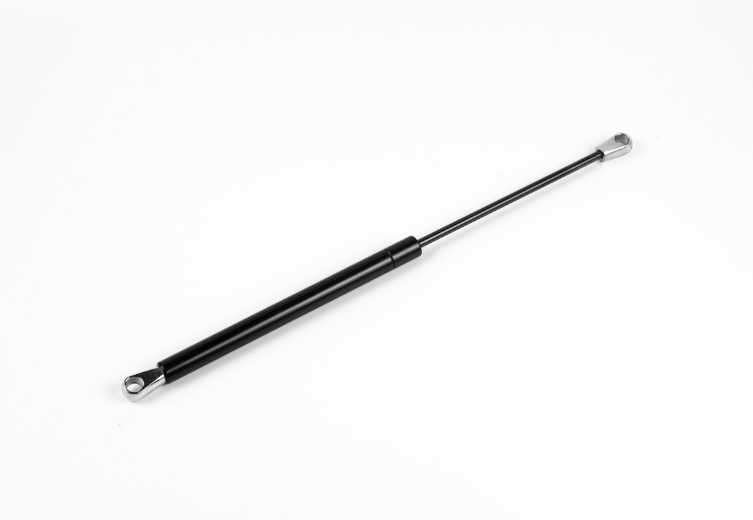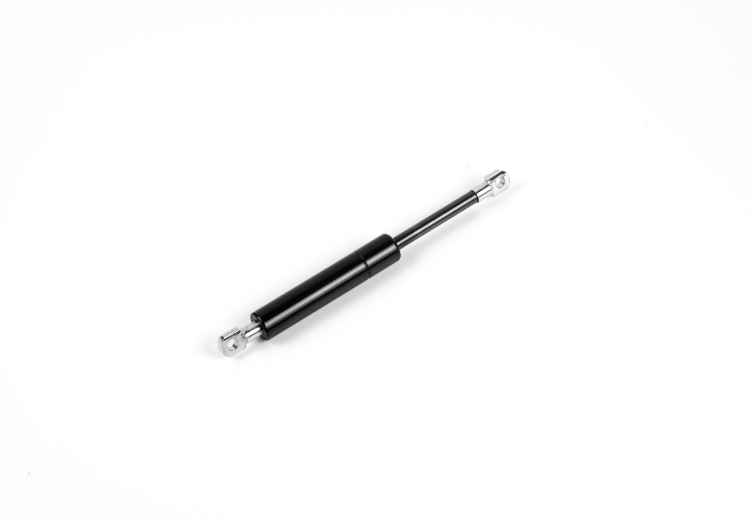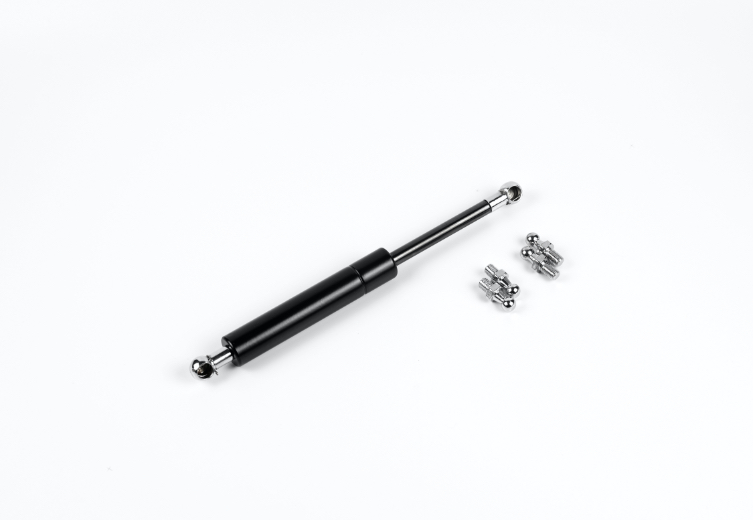





What is a Traction Gas Strut?

In industrial design and daily applications, gas springs are widely used in furniture, automobiles, medical equipment, aerospace and other fields as an efficient and reliable support and buffer device. Among them, the traction gas strut has become the first choice of many engineers and designers with its unique working principle and wide application scenarios. This article will explore the definition, working principle, application scenarios and selection considerations of the traction gas strut in depth to help you fully understand this important component.
1. Basic definition of traction gas strut
1.1 Definition overview
As the name suggests, the traction gas strut is a gas strut that achieves traction or stretching function through gas pressure. Unlike traditional compression gas springs, the traction gas strut has been optimized in its internal structure, so that it can generate stable traction force instead of thrust when subjected to external force. This feature makes the traction gas strut perform well in situations where precise control of stretching or lifting actions is required.
1.2 Structural features
The traction gas strut is usually composed of a cylinder, a piston rod, a seal, a gas (such as nitrogen) and a necessary control valve. Its internal design has a special channel and valve system to ensure that the gas can flow smoothly during compression and stretching while maintaining stable pressure. This design not only improves the durability of the gas spring, but also enhances its response speed and accuracy.
2. Working principle of traction gas strut
2.1 Conversion of gas pressure and force
The working principle of the traction gas strut is based on the conversion of gas pressure and force. When the piston rod is stretched outward by external force, the gas in the cylinder is compressed, generating a reaction force, that is, traction force. The magnitude of this force can be precisely controlled by adjusting the initial gas pressure inside the gas spring and the diameter of the piston rod.
2.2 Dynamic balance and stability
During the stretching process, the gas pressure inside the traction gas strut reaches a dynamic balance with the externally applied force, ensuring a smooth and impact-free stretching action. At the same time, the sealing performance of the gas strut ensures that the gas will not leak, thereby maintaining long-term stability and reliability.
3. Application scenarios of traction gas springs
3.1 Furniture industry
In furniture design, traction gas struts are often used for parts that need to be lifted or turned, such as flaps, drawers, and bed boards. Its precise traction and smooth movement characteristics make the use of furniture more convenient and safe.
3.2 Automobile industry
In the automotive field, traction gas struts are widely used in systems such as hoods, trunk lids, and seat adjustments. They not only improve the convenience of vehicle use, but also enhance the comfort of driving and riding.
3.3 Medical equipment
In medical equipment, traction gas struts are used to adjust the height and angle of operating tables, examination beds, etc., to ensure that medical staff can work in the most comfortable and effective posture, while also improving the patient's medical experience.
3.4 Aerospace
In the aerospace field, traction gas struts are used in key parts such as aircraft doors and seat adjustments due to their high precision, high reliability and lightweight design to ensure flight safety.
4. Considerations for selecting traction gas springs
4.1 Load capacity
Depending on the specific application scenario, it is crucial to select a traction gas strut with an appropriate load capacity. Too small a load capacity may cause the gas spring to fail prematurely, while too large a load capacity may increase costs and unnecessary weight.
4.2 Stroke length
The stroke length determines the maximum stretching distance that the gas spring can provide. When selecting, the appropriate stroke length should be determined according to actual needs to ensure that the gas spring can meet the design requirements.
4.3 Durability and maintenance
A high-quality traction gas strut should have good durability and low maintenance requirements. Choosing a gas spring made of high-quality materials and advanced manufacturing processes can significantly reduce the failure rate and extend the service life.
4.4 Environmental adaptability
Considering the environmental conditions (such as temperature, humidity, corrosive media, etc.) that may be faced in different application scenarios, it is crucial to select a traction gas strut with corresponding environmental adaptability.
5. Conclusion
As an efficient and reliable support and buffer device, traction gas struts play an important role in many fields. By gaining a deeper understanding of its definition, working principle, application scenarios, and selection considerations, we can better utilize this technology and bring more possibilities to product design and manufacturing. When choosing a traction gas strut, it is recommended to comprehensively consider factors such as load capacity, stroke length, durability and maintenance, and environmental adaptability to ensure that the most suitable product is selected. As a professional gas strut manufacturer, we are committed to providing customers with high-quality, high-performance traction gas spring solutions to help your products reach a higher level. Choose us to make your design more perfect and your products more outstanding.