




Gas Strut Compression Explained with Three Types
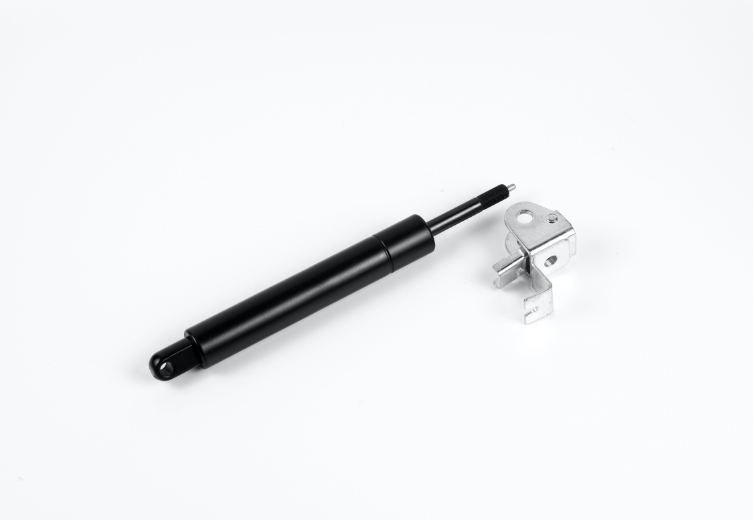
Gas struts play a crucial role in controlling movement and force in many devices. Understanding gas strut compression helps users select the right solution for safety, reliability, and performance. Established in 2009, Changzhou Juteng Gas Spring Co., Ltd. has grown into a specialized manufacturer with an annual production capacity of 1.5 million units. Juteng offers four main types of gas struts: compressed gas springs, lockable gas springs, dampers, and traction gas springs. The global market for gas struts is valued at USD 4.12 billion in 2024, with automotive, aerospace, and industrial equipment as the primary applications.
Feature | Description |
|---|---|
Performance | Gas struts provide excellent force control and damping. |
Durability | Lifespans range from 5 to 15 years for long-term use. |
Cost-effective | Moderate cost suits many applications. |
Maintenance | Minimal maintenance enhances usability. |
Choosing between different types of gas struts ensures optimal results in every application.
Key Takeaways
Gas struts control movement and force in various devices, enhancing safety and performance.
Understanding gas strut compression helps in selecting the right type for specific applications.
Juteng offers four main types of gas struts: compressed, lockable, dampers, and traction, each with unique features.
Proper gas strut compression ensures durability and reliability, supported by Juteng's ISO9001 quality management system.
Juteng provides free computer-aided design (CAD) services to tailor gas struts to specific force, stroke, and environmental requirements.
Regular maintenance, such as cleaning and pressure checks, can extend the lifespan of gas struts.
Gas struts are widely used in industries like automotive, aerospace, and furniture for their versatility and efficiency.
Choosing the right gas strut type based on application needs ensures optimal performance and safety.
Gas Strut Compression Overview
What Is Gas Strut Compression
Basic Principles
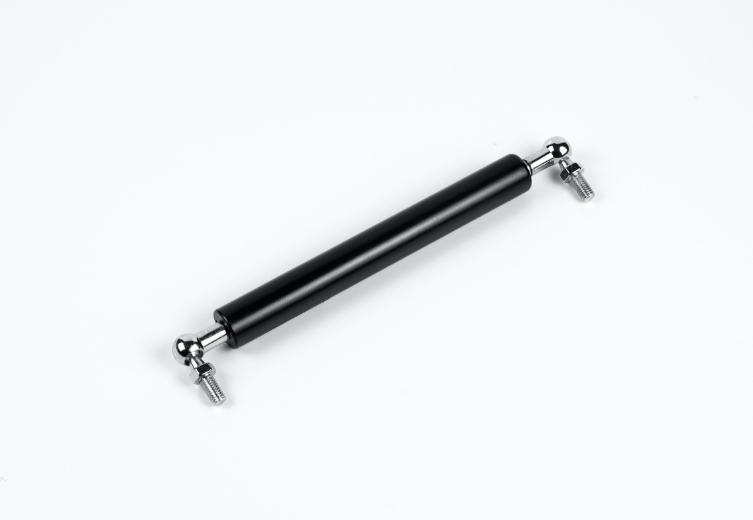
Gas strut compression refers to the process by which a gas spring stores and releases energy through the movement of a piston inside a sealed cylinder filled with gas. This process allows the gas spring to provide controlled force and motion in a wide range of applications. Engineers measure gas strut compression using several key parameters:
Parameter | Description |
|---|---|
Force (F) | The force generated by a gas spring, measured in Newtons (N), crucial for performance assessment. |
Stroke (S) | The maximum distance a gas spring can extend and contract, indicating its operational range. |
Dimensions (D) | Includes diameter and length, essential for ensuring proper fit in mechanical systems. |
These parameters help determine how much load a gas spring can handle and how far it can move. Compression gas springs use these measurements to ensure precise and reliable operation in every setting.
Mechanical Operation
The mechanical operation of gas strut compression involves a piston rod moving within a pressure tube. When a force is applied, the piston compresses the gas inside the cylinder, creating resistance. This resistance allows for smooth, controlled movement. Juteng’s engineering approach stands out in this area. The company utilizes advanced CAD systems like CATIA and SolidWorks for 3D modeling and motion simulation, and employs Failure Models and Effects Analysis (FMEA) to optimize gas spring operation for each customer’s needs.
Feature | Juteng's Approach | Other Manufacturers' Approach |
|---|---|---|
Design Tools | Utilizes CATIA & SolidWorks for 3D simulation | Relies on basic 2D drafting |
Quality Control | Employs FMEA & ISO9001 standard compliance | Basic visual inspection |
Prototyping | In-house sample creation & testing | Outsourced testing |
Juteng’s focus on customization and quality ensures that compression gas springs deliver consistent performance in all applications.
Why Compression Matters
Performance Impact
Gas strut compression plays a vital role in the performance of mechanical systems. It allows for precise adjustments in force output and damping characteristics. This customization ensures that systems operate efficiently under different conditions. Gas springs provide controlled motion, which is essential for the smooth operation of mechanical systems. They enhance safety by controlling dynamic loads and reducing slam impacts. Damping functions improve the opening and closing actions of components like lids and access panels. Customization of stroke length and overall dimensions allows for better space utilization. Damping customization controls the speed of extension and compression, which is crucial for performance. Optimizing the ratio between stroke and compressed length enhances the efficiency of mechanical systems.
Safety and Durability
Proper gas strut compression ensures safety and durability in industrial and commercial settings. Supported by our international quality management system certifications, Juteng gas springs are constructed from high-quality materials and engineered for precision, which contributes to their durability and reliability. With proper maintenance and care, they can endure years of continuous use without compromising performance. The sealed construction of gas springs protects internal components from dust, moisture, and other contaminants, ensuring long-term performance without the need for frequent maintenance.
Gas strut compression is essential in many industries. In automotive, it is used in bonnet and tailgate systems, boot lids, and convertible roofs for smooth operation. In furniture, it is employed in recliners, office chairs, and storage beds for effortless adjustment. Machinery applications include lifting heavy loads, adjusting equipment height, and damping vibrations. In the medical field, gas springs provide adjustable, secure support for hospital beds and mobility aids. The types of gas springs, including compression gas springs, are designed to meet the unique needs of each industry.
Types of Gas Springs
Compressed Gas Springs
How They Work
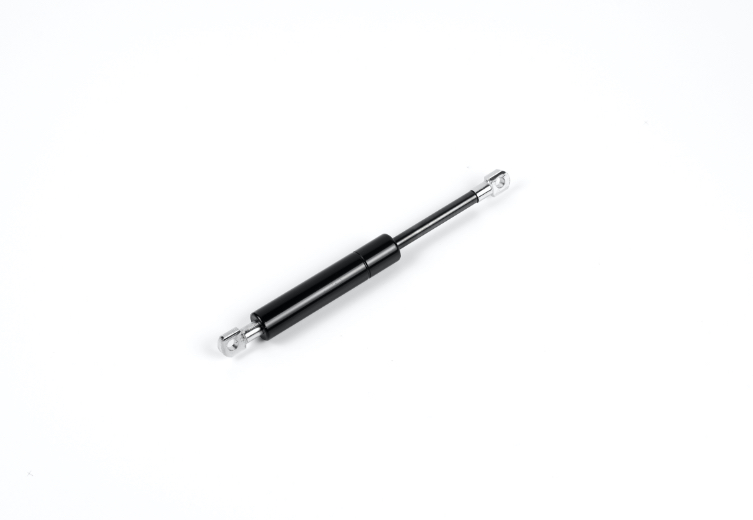
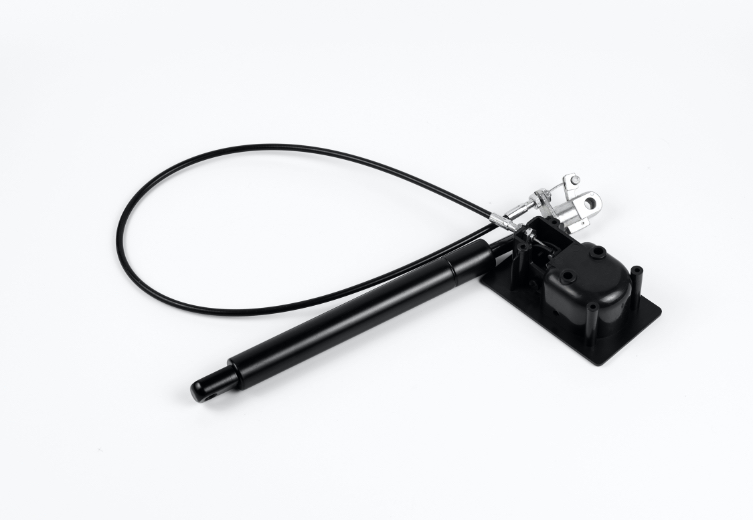
Compressed gas springs use a steel cylinder filled with pressurized nitrogen gas and a sliding rod. The rod moves inside the cylinder, compressing the gas and creating a force that pushes the rod outward. This mechanism allows gas struts to provide a consistent force, which is proportional to the weight being lifted or moved. Unlike traditional mechanical springs, gas springs maintain a nearly flat force curve over long strokes. The performance of these gas struts can be influenced by temperature, and oil can be added for damping effects. This design makes them versatile for many applications.
Key Features
Consistent force output across the stroke
Nearly flat force curve, ideal for reliable counterbalancing
Durable steel construction with pressurized nitrogen gas
Optional oil for added damping and smoother operation
Customizable stroke length and force values
Reliable performance in various environments
Juteng’s compressed gas springs stand out due to advanced manufacturing techniques and customization options. Customers can select standard or tailored products to meet specific needs. The company emphasizes quality and innovation, ensuring reliable and effective gas struts for every application.
Common Uses
Compressed gas springs are widely used in both industrial and consumer products. Their ability to provide consistent force makes them suitable for many tasks.
Automotive Industry: Opening and holding hoods, trunks, and tailgates
Furniture: Reclining chairs, adjustable desks, and storage beds
Medical Equipment: Hospital beds, dental chairs, and mobility aids
Aerospace: Aircraft seating, cargo doors, and overhead compartments
Industrial Machinery: Lifting and positioning equipment, machine guards, and lids
Tool Boxes and Access Panel Covers
Truck Bed Tonneau Covers
Recreation and Specialty Vehicles
Agricultural Equipment: Tractor hoods and machine covers
Marine Applications: Hatch openings and door mechanisms
Casino Gaming Machines
These examples highlight the benefits and applications of gas springs in everyday life and specialized industries.
Lockable Gas Springs
Mechanism
Lockable gas springs function differently from standard compressed gas springs. They use a valve control system that allows the piston rod to lock in place at any angle. The locking mechanism is activated by a plunger, which can be released at any point to secure the rod. When the valve is closed, the gas spring locks in position, regardless of the applied force. This feature enables gas struts to hold heavy loads without external support.
Feature | Standard Gas Springs | Lockable Gas Springs |
|---|---|---|
Functionality | Can only push and require external forces to hold position | Can stop at any angle and hold position without external forces |
Mechanism | High-pressure nitrogen provides constant force | Valve control system allows locking of the piston rod |
Position Maintenance | Relies on friction, latches, or pins to stay put | Locks in place when valve is closed, regardless of applied force |
Applications
Lockable gas springs are preferred in situations where stability and precise positioning are essential.
Application Type | Description |
|---|---|
Hospital beds and examination tables | Stability is crucial for patient safety. |
Surgical equipment and operating tables | Requires precise height control for effective use. |
Over-bed tables in healthcare facilities | Needs stable positioning for patient access. |
Heavy industrial machinery access panels | Ensures safety and stability during operation. |
Aerospace cabin equipment | Must adhere to strict safety protocols. |
Height-adjustable standing desks | Supports heavy workloads while maintaining stability. |
Emergency stretchers and patient transport | Critical for safe and stable patient movement. |
These applications demonstrate the benefits and applications of gas springs with locking features.
Compression Characteristics
Lockable gas springs offer unique compression characteristics:
Can lock at any point in their stroke for versatile positioning
The locking mechanism is activated by a plunger and can be released at any position
Special piston valve system separates piston chambers for easy locking
Internal valve closes to stop gas flow, freezing the piston in place
When unlocked, compressed gas provides lifting force, while hydraulic oil dampens movement for smooth operation
Maintains position under load, ensuring safety and reliability
Juteng’s lockable gas springs are engineered for precision and durability. The company offers customization options to match specific requirements, making these gas struts suitable for demanding environments.
Dampers
Damping Function
Dampers control movement speed and dissipate energy associated with motion. Unlike gas springs, dampers do not generate force. They function by allowing hydraulic oil to flow through valves, creating resistance to movement. Dampers can control speed in one or both directions and prevent sudden impacts. Gas struts with damper features are commonly used to slow cabinet door closures and control vehicle seat movements.
Dampers control movement speed and dissipate energy
They do not generate force like gas springs
Hydraulic oil flows through valves, creating resistance
Can control speed in one or both directions
Prevent sudden impacts and ensure smooth operation
Safety Benefits
Dampers provide important safety benefits in machinery and automotive applications.
Prevent slamming of components like glove boxes, avoiding pinched fingers
Reduce vibration-related noise for a quieter and safer environment
Extend the lifespan of components by minimizing impact wear
Control motion speed, ensuring uniform production and reducing accident risk
Reduce mechanical stress on equipment, enhancing lifespan and safety
Maintain operational consistency, preventing sudden movements that could lead to equipment failure
Juteng’s dampers are designed for reliability and safety. The company uses advanced manufacturing techniques to ensure consistent performance in demanding applications.
Application Examples
Application Area | Examples |
|---|---|
Automotive | Trunk lids, hoods |
Industrial Machinery | Lifting mechanisms, conveyor belts |
Furniture | Adjustable chairs, slow-closing drawers |
These examples show how gas struts with damper features improve safety and functionality in various settings.
Juteng’s gas spring types offer a wide range of solutions for different industries. The company’s focus on customization, quality, and innovation ensures that customers receive products tailored to their needs.
Traction Gas Springs
Extension Mechanism
Traction gas springs operate differently from standard gas struts. Instead of pushing outward, they generate a pulling force. The piston rod stays inside the cylinder when at rest. When a pulling force is applied, the rod extends outward, creating tension. This unique mechanism allows traction gas springs to control movement in applications where pulling, rather than pushing, is required.
Juteng designs traction gas springs with precision engineering. The internal components use high-quality materials to ensure smooth extension and retraction. The sealed cylinder protects the gas and oil inside, which helps maintain consistent performance. This design also reduces the risk of contamination and wear. Traction gas springs can be customized for different force values and stroke lengths, making them suitable for a wide range of uses.
Versatility
Traction gas springs offer remarkable versatility in modern engineering. Their ability to provide controlled tension makes them valuable in many industries. These gas struts can be installed in compact spaces, which is important for equipment with limited room. They also help automate motion control, reducing the need for manual adjustments.
The table below highlights the main advantages of traction gas springs:
Advantage | Description |
|---|---|
Safety | Reduces sudden movements, ensuring controlled motion and minimizing risks of equipment damage or injuries. |
Durability | Engineered to withstand intensive industrial conditions, maintaining performance over long periods. |
Efficiency | Automates motion control processes, reducing manual force and improving machine responsiveness. |
Space Optimization | Compact and flexible installation options suitable for tight industrial spaces. |
Customization | Tailored to specific industrial requirements, ensuring compatibility with various automated systems. |
Quieter Operation | Absorbs movement shock, contributing to smoother and quieter industrial operations. |
Juteng’s traction gas springs stand out for their adaptability. The company offers a range of customization options, including force adjustment and mounting styles. This flexibility ensures that each gas strut meets the exact needs of the application. The quiet operation of these gas struts also improves the working environment by reducing noise.
Use Cases
Traction gas springs are used in both industrial and consumer products. Their pulling force and tensioning ability make them ideal for specialized mechanisms. The table below shows typical use cases:
Product Variant | Core Function | Typical Use Cases |
|---|---|---|
Traction Gas Spring | Pulling force / tensioning | Specialized industrial mechanisms, agricultural equipment |
In industrial settings, traction gas springs help control the movement of machine covers, conveyor systems, and adjustable arms. They are also used in agricultural equipment to manage the position of panels and hatches. Some consumer products, such as adjustable furniture and exercise machines, use traction gas struts for smooth and controlled motion.
Tip: When selecting traction gas springs, consider the required pulling force and the available installation space. Juteng’s engineering team can help customize gas struts to fit unique requirements.
Traction gas springs provide reliable performance, safety, and efficiency. Their unique extension mechanism and versatility make them a valuable solution for many industries. Juteng’s commitment to quality and innovation ensures that each gas strut delivers consistent results in demanding environments.
Comparing Gas Struts
Strengths and Limitations
Performance Comparison
Gas struts offer a range of benefits and some limitations, depending on their type and use. The table below summarizes the main strengths and limitations of gas struts in terms of compression performance:
Strengths | Limitations |
|---|---|
Smooth, controlled action | Sensitivity to temperature |
Limited lifetime | |
Space-saving design | Possibility for overloading |
Reduced strain and effort | Gas release danger |
Durable and low maintenance | Cost |
Gas springs provide smooth and reliable motion in many settings. Their adjustable force and compact design make them ideal for tight spaces. These features help reduce strain and effort during operation. However, gas struts can be sensitive to temperature changes, which may affect performance. Overloading or improper use can shorten their lifespan. Regular checks help prevent issues related to gas release or wear.
Maintenance Needs
Proper maintenance ensures that gas struts continue to perform well. Here are some key maintenance practices:
Regular cleaning removes dust and dirt that can affect performance.
Checking air pressure and sealing helps maintain normal operation.
Avoiding overloading and impacts prevents damage.
Regular inspections and maintenance ensure proper functioning.
Most gas springs require minimal maintenance, but following these steps can extend their service life and reliability.
Choosing Gas Struts for Your Needs
Selection Factors
Selecting the right gas struts depends on several important factors. Consider the following when choosing a product for your application:
Force (N): Determines the lifting or pulling capacity needed for your equipment.
Stroke Length: Refers to the distance the rod travels during operation.
Installation Environment: Includes exposure to moisture, corrosion, or extreme temperatures.
Safety Features: Any additional requirements for safe operation, such as locking mechanisms or dampers.
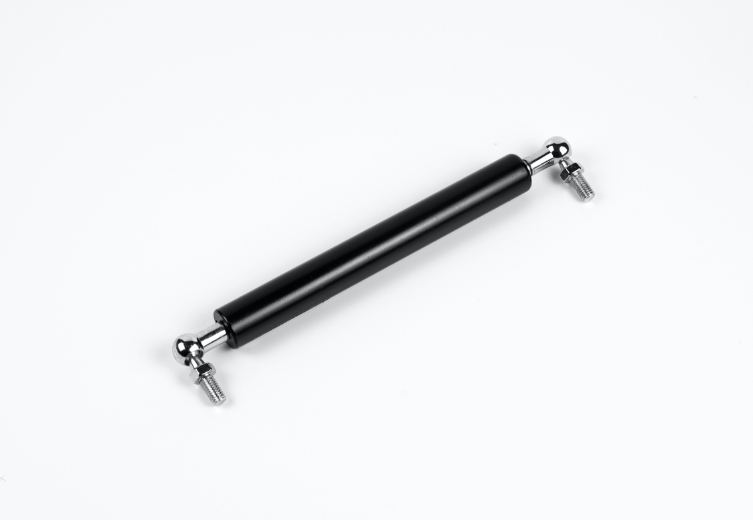
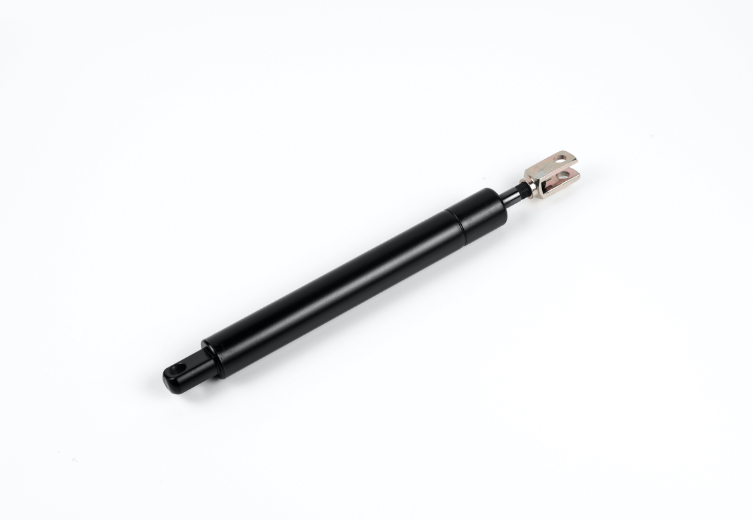
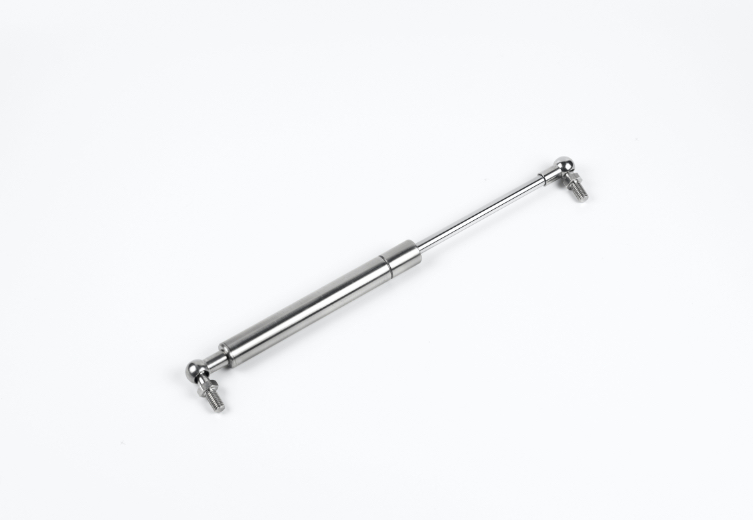
Juteng provides extensive customization options for gas springs. Customers can select specific force ratings, stroke lengths, and materials. For example, stainless steel is available for high-corrosion environments. Juteng also offers various end fittings, such as eyelets, ball sockets, and clevises, to ensure seamless integration with your equipment.
Customization Options | Description |
|---|---|
Dimensions | Custom stroke and extended lengths tailored to mounting points |
Materials | Standard steel or stainless steel for high-corrosion environments |
End Fittings | Eyelets, ball sockets, clevises for seamless integration |
These options help match gas struts to unique requirements in different industries.
Application Scenarios
Gas spring applications vary widely, from light-duty to super heavy-duty uses. The table below shows common scenarios based on force rating:
Common Applications | |
|---|---|
Light-Duty (40N-200N) | Laptop stands, monitor arms, small cabinet doors |
Medium-Duty (300N-500N) | Vehicle hoods, trunk lids, medium-weight furniture |
Heavy-Duty (600N-800N) | Industrial equipment, large vehicle tailgates, medical beds |
Super Heavy-Duty (1200N+) | Aerospace, construction equipment, extreme load applications |
When selecting gas struts, always consider the specific needs of your project. Juteng’s engineering team can help you choose or customize the right gas springs for your application, ensuring safety, durability, and optimal performance.
Tip: Review your equipment’s requirements and consult with experts to ensure the best fit for your gas spring applications.
Gas springs come in several types, each with unique compression features:
Type | Unique Feature |
|---|---|
Compression Gas Spring | Fixed force, maintenance-free, ideal for lifting |
Locking Gas Spring | Locks at any position for flexible use |
Traction Gas Spring | Pulls rather than pushes, fits tight spaces |
Dampers | Controls motion for smooth, safe operation |
For most household cabinets, a 450 N gas spring with factory damping fits standard needs and ensures quiet, reliable use.
Always match force and features to your application. For example, small cabinets need 100N, while heavy truck tailgates require 800N for safety.
Juteng stands out with ISO9001 certification, fast response, and strong customization options. Choose the right gas spring for your project and enjoy dependable performance. Contact our engineering team today for a free CAD simulation and quote.
FAQ
What is the main function of a gas strut?
A gas strut provides controlled movement and support. It helps lift, lower, or hold objects in place. Many industries use gas struts for smooth and safe operation.
How do I choose the right gas strut for my application?
Check the required force, stroke length, and installation environment. Juteng offers customization options to match your specific needs. Consult with experts for the best fit.
Can gas struts be used outdoors?
Yes, gas struts can be used outdoors. For harsh environments, choose stainless steel or corrosion-resistant materials. Juteng provides options suitable for outdoor use.
How long do gas struts typically last?
Most gas struts last between 5 and 15 years. Lifespan depends on usage, environment, and maintenance. Regular inspections help extend service life.
Are gas struts maintenance-free?
Gas struts require minimal maintenance. Keep them clean and check for leaks or damage. Avoid overloading to ensure reliable performance.
Can I adjust the force of a gas strut after installation?
Some gas struts allow force adjustment. Juteng offers models with adjustable force. Always follow manufacturer instructions for safe adjustments.
What safety tips should I follow when using gas struts?
Always install gas struts with the rod facing down. Do not open or heat the cylinder. Replace damaged struts immediately to prevent accidents.
Does Juteng offer custom OEM/ODM gas strut solutions?
Yes. With an annual capacity of 1.5 million units, Juteng warmly welcomes OEM/ODM orders. We can manufacture special gas springs according to your unique requirements. You can email your application parameters directly to gasspring@czjuteng.com or visit our Contact Us page.